Conscience Protection Act of 2025
Summary
What This Bill Does
The Conscience Protection Act amends the Public Health Service Act to prohibit the federal government, federal-aid recipients, and state or local governments receiving federal financial assistance from penalizing, retaliating against, or discriminating against a health care entity because it declines to provide, perform, refer for, pay for, cover, or facilitate abortion. It preserves voluntary participation in abortion, competency standards for those who elect to perform abortions, emergency stabilizing treatment law, and most state insurance regulation. It then creates HHS administrative enforcement authority over a long list of federal conscience laws, including the Church Amendments, Weldon Amendment, RFRA as applied to HHS programs, ACA abortion and conscience provisions, assisted-suicide funding limits, CAPTA conscience protections, Helms Amendment-related provisions, and other statutes. A qualified party, including the Attorney General or any adversely affected individual or entity, may sue without exhausting administrative remedies. Relief may include injunctions, declaratory relief, compensatory damages, money damages against governmental entities, and prevailing-plaintiff attorneys' fees and costs.
Who Benefits and How
Health care entities objecting to abortion benefit because federal-aid recipients and governments cannot discriminate against them for nonparticipation. Religious hospitals benefit from administrative and judicial enforcement of conscience laws tied to HHS programs and federal funding. Clinicians with moral objections benefit because qualified parties can sue for actual or threatened conscience-law violations. The Attorney General benefits from express authority to bring civil actions over designated violations.
Who Bears the Burden and How
State health agencies receiving federal funds must avoid penalties or funding conditions that discriminate against covered nonparticipating entities. Hospitals requiring abortion participation may face lawsuits, injunctions, damages, fees, and administrative enforcement. HHS civil rights staff must issue regulations and enforce a broad set of conscience statutes. Abortion-rights advocates bear a policy burden because the bill strengthens refusal rights and litigation tools.
Key Provisions
- Prohibits discrimination against health care entities that decline abortion participation, referral, payment, coverage, or facilitation.
- Authorizes HHS regulations and administrative enforcement for listed federal conscience laws.
- Creates civil actions by the Attorney General or adversely affected parties without exhaustion of administrative remedies.
- Provides injunctive relief, declaratory relief, compensatory damages, money damages against governmental entities, attorneys' fees, and costs.
- Preserves voluntary abortion participation, emergency stabilizing treatment rules, and severability.
Evidence Chain:
This summary is generated from the full bill text using AI analysis. Expand "Detailed Analysis" below for identified beneficiaries/burden bearers with clause-level evidence links.
At a Glance
What This Bill Does
Creates federal protections, HHS administrative enforcement, and private civil actions for health care entities that decline to provide, pay for, refer for, cover, or otherwise participate in abortion or other covered conscience-protected activities.
Key Policy Areas
Health Care, Abortion, Civil Rights, Religious Liberty
Primary Purpose
Creates federal protections, HHS administrative enforcement, and private civil actions for health care entities that decline to provide, pay for, refer for, cover, or otherwise participate in abortion or other covered conscience-protected activities.
Policy Domains
Resolution provisions
Identified Gains
- Health care entities objecting to abortion
- Religious hospitals
- Clinicians with moral objections
- Attorney General
Identified Costs
- State health agencies receiving federal funds
- Hospitals requiring abortion participation
- HHS civil rights staff
- Abortion-rights advocates
Sponsors
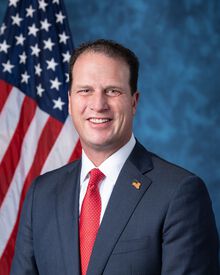


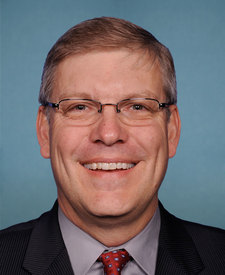

Legislative Progress
In CommitteeMr. Pfluger (for himself, Mr. Webster of Florida, Mr. Moolenaar, …
Referred to the House Committee on Energy and Commerce.
Introduced in House
Stakeholder Effects
cui bono?How this legislation distributes effects. Mention counts reflect frequency, not effect magnitude.
Clinicians with moral objections, Health care entities objecting to abortion, Hospitals requiring abortion participation
Positive-direction: Clinicians with moral objections, Health care entities objecting to abortion, Religious hospitals
Negative-direction: Hospitals requiring abortion participation
Attorney General, HHS civil rights staff, State health agencies receiving federal funds
Bill Structure & Actor Mappings
Who is "The Secretary" in each section?
We use a combination of our own taxonomy and classification in addition to large language models to assess meaning and potential beneficiaries. High confidence means strong textual evidence. Always verify with the original bill text.
Learn more about our methodology