To prohibit third-party restaurant reservation services from offering or arranging unauthorized reservations for food service establishments, and for other purposes.
Analysis under review: This bill has generated analysis that may be too generic or incomplete. Clause-level evidence remains available below.
Summary
What This Bill Does
The SEAT Act of 2025 (Supporting Equal Access to Tables Act) prohibits third-party restaurant reservation platforms from listing or selling reservations for restaurants without first obtaining a written agreement from the restaurant. This addresses the growing problem of unauthorized reservation resellers who book tables at popular restaurants and then sell those reservations to consumers, often at inflated prices.
Who Benefits and How
Restaurants and food service establishments benefit significantly from this legislation. They regain control over their reservation systems and can prevent unauthorized parties from monetizing their limited seating capacity. The bill also protects restaurants from being forced to accept unfair indemnification clauses that would hold them liable for problems caused by the reservation platforms themselves. Consumers also benefit by having more direct access to restaurant reservations without paying markups to middlemen who secured reservations without authorization.
Who Bears the Burden and How
Third-party restaurant reservation services face new compliance requirements. They must now obtain written agreements with each restaurant before listing reservations, creating administrative costs and limiting their ability to operate without restaurant consent. Companies that currently list reservations without authorization will need to fundamentally change their business model or face FTC enforcement actions and penalties. The 180-day implementation period gives these services time to negotiate agreements with restaurants.
Key Provisions
- Requires third-party reservation platforms to have written agreements with restaurants before listing their reservations
- Violations are treated as unfair or deceptive trade practices under the Federal Trade Commission Act
- The FTC has enforcement authority with the same powers as under the FTC Act
- Prohibits indemnification clauses that would make restaurants liable for harm caused by the reservation service
- Applies to all food service establishments including restaurants, bars, food trucks, tasting rooms, and venues in airports, stadiums, and hotels
- Takes effect 180 days after enactment to allow platforms time to comply
Evidence Chain:
This summary is generated from the full bill text using AI analysis. Expand "Detailed Analysis" below for identified beneficiaries/burden bearers.
At a Glance
What This Bill Does
The bill aims to regulate third-party restaurant reservation services, prohibiting them from offering unauthorized reservations for food service establishments.
Key Policy Areas
Consumer Protection, Commerce
Primary Purpose
The bill aims to regulate third-party restaurant reservation services, prohibiting them from offering unauthorized reservations for food service establishments.
Policy Domains
Sponsors
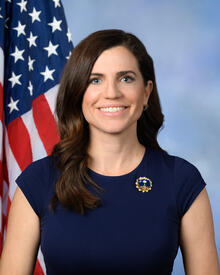
Legislative Progress
IntroducedMs. Mace introduced the following bill; which was referred to …
Stakeholder Effects
cui bono?How this legislation distributes effects. Mention counts reflect frequency, not effect magnitude.
Third-party restaurant reservation service providers
Bill Structure & Actor Mappings
Who is "The Secretary" in each section?
Key Definitions
Terms defined in this bill
The bill is titled 'Supporting Equal Access to Tables Act of 2025' or the SEAT Act of 2025.
Any internet-based service that lists or advertises reservations for food establishments, excluding services provided by the establishment itself.
We use a combination of our own taxonomy and classification in addition to large language models to assess meaning and potential beneficiaries. High confidence means strong textual evidence. Always verify with the original bill text.
Learn more about our methodology