TRAVEL Act of 2025
Summary
What This Bill Does
The TRAVEL Act of 2025 would let the Secretary of Veterans Affairs assign VA physicians to provide care in American Samoa, Guam, the Northern Mariana Islands, Puerto Rico, the U.S. Virgin Islands and other U.S. territories or possessions. Assignments could last no more than one year at a time, with multiple physicians and territory-specific assignments permitted. Care could be provided at VA facilities or other approved facilities. The authority is discretionary: the bill does not require deployment to every territory, specify a staffing minimum or promise appointments to every veteran. The reference to physicians under sections 7401 or 7431 should not be read as opening the program to all private doctors; section 7431 is the VA physician-pay provision.
Assigned physicians must coordinate with non-VA medical providers when practicable and necessary. VA must provide a relocation or retention bonus in addition to ordinary physician pay, using a bonus substantially similar to the VA framework in section 7410(a), as the Secretary considers appropriate. No bonus dollar amount or separate appropriation is specified. A separate section proposes changing the expiration of certain Medicaid nursing-facility pension limits from November 30, 2031 to December 31, 2032. That language is outdated: Public Law 119-43, enacted December 1, 2025, already replaced the cited 2031 date with January 31, 2033. The proposal therefore needs reconciliation and cannot be treated as a clean new extension against current law.
Who Benefits and How
Veterans living in the covered territories could gain access to additional VA clinicians closer to home, depending on assignments and available resources. Traveling VA physicians would receive mandatory relocation or retention bonuses when assigned under this authority. The Department of Veterans Affairs gains a more explicit staffing tool, and approved non-VA health care facilities can host the traveling physicians rather than being categorically excluded. The bill does not guarantee a new facility, a private-provider contract or reimbursement to every local practice. The pension provision's historical rationale was to continue limits on VA pension spending while retaining related protections, but the superseded starting date prevents assuming an additional current-law saving.
Who Bears the Burden and How
VA must fund and administer deployments and required bonuses within the applicable funding framework, and assigned physicians must coordinate care to the extent practicable and necessary. Non-VA medical providers may need to coordinate with them, but the express statutory duty is imposed on the traveling physicians. The separate pension rule concerns veterans without a spouse or child receiving Medicaid-covered nursing-facility services, and also applies to certain childless surviving-spouse pension beneficiaries and children receiving survivors' pensions. It caps the covered pension at $90 per month after the admission month, not all veterans' pensions or disability compensation. The underlying subsection also protects the retained amount against reducing the Medicaid facility payment and generally protects beneficiaries from overpayment recovery absent willful concealment. Because existing law already continues this regime through January 31, 2033, this bill's stale amendment does not establish a definite additional reduction in those beneficiaries' payments.
Key Provisions
- Authorizes VA traveling-physician assignments for up to one year at a time, permits multiple physicians, and allows assignment to a particular territory or possession.
- Expands the introduced bill's VA-facility-only approach to other approved facilities while retaining service in U.S. territories and possessions.
- Requires care coordination with non-VA medical providers to the extent practicable and necessary, and a relocation or retention bonus in addition to regular physician pay.
- Uses the VA section 7410(a) bonus framework and changes retention-allowance terminology to retention bonuses in related pay provisions without setting a new bonus amount.
- Proposes a December 31, 2032 pension-limit expiration using an obsolete November 30, 2031 starting date; enacted law already sets January 31, 2033, so no definite new offset should be credited.
Evidence Chain:
This summary is generated from the full bill text using AI analysis. Expand "Detailed Analysis" below for identified beneficiaries/burden bearers with clause-level evidence links.
At a Glance
What This Bill Does
Authorize temporary VA physician assignments in U.S. territories with relocation or retention bonuses and coordinated care, while proposing a pension-limit sunset amendment whose starting date has already been superseded by enacted law.
Key Policy Areas
Veterans Affairs, Health
Primary Purpose
Authorize temporary VA physician assignments in U.S. territories with relocation or retention bonuses and coordinated care, while proposing a pension-limit sunset amendment whose starting date has already been superseded by enacted law.
Policy Domains
TRAVEL Act of 2025
Identified Gains
- Veterans residing in U.S. territories and possessions
- Traveling VA physicians
- Department of Veterans Affairs
- Approved non-VA health care providers
Identified Costs
- Department of Veterans Affairs
- Traveling VA physicians
- Medicaid nursing-facility veterans without a spouse or child
- Surviving-spouse pension beneficiaries without children
- Children receiving VA survivors' pensions
Sponsors

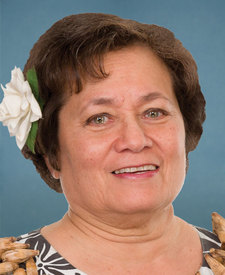
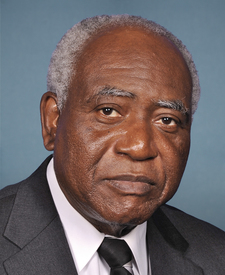
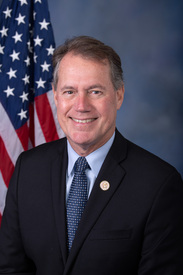

Legislative Progress
Passed HouseReceived; read twice and referred to the Committee on Veterans' …
Received in the Senate and Read twice and referred to …
Passed House (inferred from eh version)
Motion to reconsider laid on the table Agreed to without …
On motion to suspend the rules and pass the bill, …
Passed/agreed to in House: On motion to suspend the rules …
Considered as unfinished business. (consideration: CR H4300)
At the conclusion of debate, the Yeas and Nays were …
DEBATE - The House proceeded with forty minutes of debate …
Considered under suspension of the rules. (consideration: CR H4284)
Stakeholder Effects
cui bono?How this legislation distributes effects. Mention counts reflect frequency, not effect magnitude.
Children receiving VA survivors pensions, Medicaid nursing-facility veterans subject to the $90 pension cap, Surviving-spouse pension beneficiaries without children
Department of Veterans Affairs
Approved non-VA health care facilities in U.S. territories
On Motion to Suspend the Rules and Pass, as Amended
TRAVEL Act
Bill Structure & Actor Mappings
Who is "The Secretary" in each section?
- "medicaid_plan"
- → State medical-assistance plan under Social Security Act section 1902(a)
- "the_secretary"
- → Secretary of Veterans Affairs
- "the_department"
- → Department of Veterans Affairs
- "traveling_physician"
- → VA physician assigned under proposed section 7415, using the bill's references to sections 7401 or 7431
- "non_department_providers"
- → Non-VA medical providers coordinating with the assigned physician
Key Definitions
Terms defined in this bill
American Samoa, Guam, Northern Mariana Islands, Puerto Rico, U.S. Virgin Islands and other U.S. territories or possessions; VA facilities or other approved facilities located there.
Proposes amending 38 USC 5503(d)(7) from November 30, 2031 to December 31, 2032; Public Law 119-43 section 4 already substituted January 31, 2033. Underlying subsection covers specified Medicaid nursing-facility pension beneficiaries and associated payment/recovery protections, not all disability compensation.
Discretionary assignment up to one year at a time; mandatory relocation or retention bonus for traveling physicians, substantially similar to the section 7410(a) framework as VA considers appropriate.
We use a combination of our own taxonomy and classification in addition to large language models to assess meaning and potential beneficiaries. High confidence means strong textual evidence. Always verify with the original bill text.
Learn more about our methodology