To amend the National Labor Relations Act to adjust the dollar thresholds for National Labor Relations Board jurisdiction over certain labor disputes, and for other purposes.
Analysis under review: This bill has generated analysis that may be too generic or incomplete. Clause-level evidence remains available below.
Summary
What This Bill Does
This bill creates the "Root and Stem" program that lets private groups propose and partially fund forest restoration projects on federal lands. When a collaborative stakeholder group develops a project proposal, they can pay for the required environmental reviews (NEPA, Endangered Species Act), and the government will reimburse them from project revenues if the project moves forward.
Who Benefits and How
Environmental consulting firms gain new contract opportunities as they can be hired to conduct environmental analyses for these projects. Forest products companies and timber industry benefit from a faster pathway to harvest timber and conduct restoration work on federal lands. Rural communities benefit from projects specifically designed to meet local needs, with collaborative stakeholder involvement required.
Who Bears the Burden and How
Project proponents (the third parties proposing projects) bear financial risk because they must fund environmental analyses upfront with no guarantee of reimbursement if the project doesn't generate sufficient revenue. Federal land management agencies (Forest Service, BLM) face new administrative requirements to maintain contractor lists and submit reports to Congress every 3 years.
Key Provisions
- Third parties can fund NEPA/ESA environmental reviews for proposed forest projects
- Government reimburses funders from project receipts (but won't cover shortfalls)
- Creates mandatory list of approved third-party contractors in each state
- Grants automatic intervention rights in litigation to collaborative process participants
- Authority expires January 1, 2033
Evidence Chain:
This summary is generated from the full bill text using AI analysis. Expand "Detailed Analysis" below for identified beneficiaries/burden bearers.
At a Glance
What This Bill Does
Creates a new public-private partnership mechanism for landscape-scale forest restoration projects on federal lands, allowing third parties to fund and expedite environmental reviews
Key Policy Areas
Public Lands, Environment, Forestry
Primary Purpose
Creates a new public-private partnership mechanism for landscape-scale forest restoration projects on federal lands, allowing third parties to fund and expedite environmental reviews
Policy Domains
Root and Stem Project Authorization Act of 2023
Identified Gains
Contextual inference, no direct clause citation- Environmental consulting firms
- Forest products industry
- Rural communities
- Third-party contractors
Contextual inference, no direct clause citation
Identified Costs
Contextual inference, no direct clause citation- Project proponents funding analysis
- Forest Service
- Bureau of Land Management
Contextual inference, no direct clause citation
Sponsors
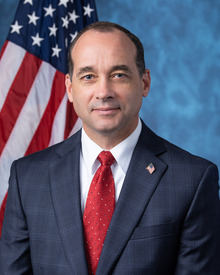
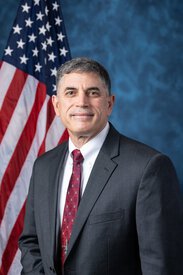

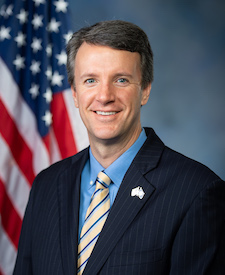
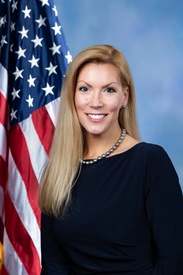
Legislative Progress
ReportedAdditional sponsor: Mrs. Houchin
Reported with an amendment, committed to the Committee of the …
Mr. Good of Virginia (for himself, Mr. Perry, Mr. Moolenaar, …
Mr. Good of Virginia (for himself, Mr. Perry, Mr. Moolenaar, …
Stakeholder Effects
cui bono?How this legislation distributes effects. Mention counts reflect frequency, not effect magnitude.
Labor unions seeking to organize at small businesses, Workers at businesses newly exempt from NLRB jurisdiction
Small and medium-sized businesses below new NLRB thresholds
Retail and hospitality employers under higher thresholds
Bill Structure & Actor Mappings
Who is "The Secretary" in each section?
- "secretary_concerned"
- → Secretary of Agriculture (via Chief of Forest Service) or Secretary of Interior (via Director of BLM), as applicable
Key Definitions
Terms defined in this bill
A process that includes multiple interested persons representing diverse interests and is transparent and nonexclusive, or meets resource advisory committee requirements under the Secure Rural Schools Act
Land of the National Forest System and public lands under BLM jurisdiction
The Secretary of Agriculture (acting through Chief of Forest Service) or Secretary of Interior (acting through Director of BLM), as applicable
We use a combination of our own taxonomy and classification in addition to large language models to assess meaning and potential beneficiaries. High confidence means strong textual evidence. Always verify with the original bill text.
Learn more about our methodology