To direct the Chairman of the Federal Maritime Commission to seek to enter into an agreement with a federally funded research and development center to evaluate foreign ownership of marine terminals at the 15 largest United States container ports, and for other purposes.
Analysis under review: This bill has generated analysis that may be too generic or incomplete. Clause-level evidence remains available below.
Summary
What This Bill Does
This bill, To direct the Chairman of the Federal Maritime Commission to seek to enter into an agreement with a federally funded research and development center to evaluate foreign ownership of marine terminals at the 15 largest United States container ports, and for other purposes., changes federal law or congressional policy affecting transportation operators and travelers. The main policy domain is Transportation, Trade, Foreign Policy.
Who Benefits and How
transportation operators and travelers may benefit from new authority, funding, eligibility, regulatory clarity, or reduced risk created by the bill.
Who Bears the Burden and How
federal implementing agencies, transportation operators and travelers may take on implementation duties, reporting obligations, compliance costs, or oversight responsibilities.
Key Provisions
- Section H1ED8AA4E74B24F5BB4C6E0B3E8A51E4A: 1. Short title This Act may be cited as the U.S. Supply Chain Security Review Act of 2023.
- Section HAEC001AF551A4152B00BED8D6066DD9E: 2. Study on foreign ports Not later than 90 days after the date of enactment of this Act, the Chairman of the Federal Maritime Commission shall seek to enter...
Evidence Chain:
This summary is generated from the full bill text using AI analysis. Expand "Detailed Analysis" below for identified beneficiaries/burden bearers.
At a Glance
What This Bill Does
This bill, To direct the Chairman of the Federal Maritime Commission to seek to enter into an agreement with a federally funded research and development center to evaluate foreign ownership of marine terminals at the 15 largest United States container ports, and for other purposes., changes federal law or congressional policy affecting transportation operators and travelers.
Key Policy Areas
Transportation, Trade, Foreign Policy
Primary Purpose
This bill, To direct the Chairman of the Federal Maritime Commission to seek to enter into an agreement with a federally funded research and development center to evaluate foreign ownership of marine terminals at the 15 largest United States container ports, and for other purposes., changes federal law or congressional policy affecting transportation operators and travelers.
Policy Domains
Whole bill
Identified Gains
Contextual inference, no direct clause citation- transportation operators and travelers
Contextual inference, no direct clause citation
Identified Costs
Contextual inference, no direct clause citation- federal implementing agencies
- transportation operators and travelers
Contextual inference, no direct clause citation
Sponsors
Legislative Progress
ReportedReceived; read twice and referred to the Committee on Commerce, …
Reported with an amendment, committed to the Committee of the …
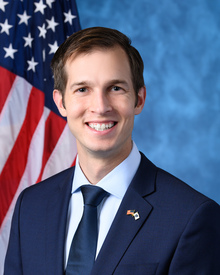
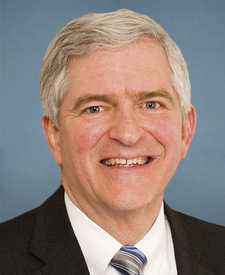
Mr. Auchincloss (for himself and Mr. Webster of Florida) introduced …
Stakeholder Effects
cui bono?How this legislation distributes effects. Mention counts reflect frequency, not effect magnitude.
Chinese-owned marine terminal operators at US ports, Foreign-owned marine terminal operators (non-Chinese/Russian), Russian-owned marine terminal operators at US ports
Positive-direction: US-owned port operators and marine terminal companies
Negative-direction: Chinese-owned marine terminal operators at US ports, Foreign-owned marine terminal operators (non-Chinese/Russian), Russian-owned marine terminal operators at US ports
Federally funded research and development centers
Bill Structure & Actor Mappings
Who is "The Secretary" in each section?
- "the_commission"
- → The commission identified in the operative section
We use a combination of our own taxonomy and classification in addition to large language models to assess meaning and potential beneficiaries. High confidence means strong textual evidence. Always verify with the original bill text.
Learn more about our methodology