To amend the Securities Act of 1933 to codify certain qualifications of individuals as accredited investors for purposes of the securities laws.
Sponsors

Legislative Progress
Passed HouseReceived; read twice and referred to the Committee on Banking, …
Passed House (inferred from eh version)
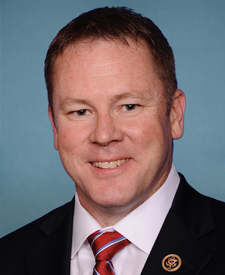
Additional sponsors: Mr. Davidson and Mr. Sessions
Reported with an amendment, committed to the Committee of the …
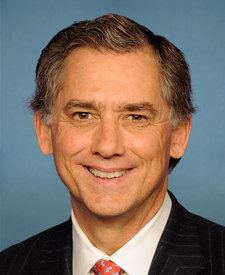
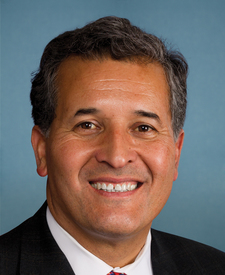
Mr. Hill of Arkansas (for himself and Mr. Vargas) introduced …
On Motion to Suspend the Rules and Pass, as Amended
Fair Investment Opportunities for Professional Experts Act
Summary
What This Bill Does
The Fair Investment Opportunities for Professional Experts Act changes who can legally invest in private securities offerings (such as private equity, venture capital, and hedge funds). Currently, only wealthy individuals meeting strict income or net worth requirements can participate. This bill adds a new pathway: financial professionals with licenses (like brokers and investment advisers) and people with demonstrable investment expertise can now qualify as "accredited investors" even if they don't meet the wealth thresholds. The SEC must update its regulations within 180 days to implement this change.
Who Benefits and How
Licensed brokers and investment advisers gain immediate access to private investment opportunities without needing to prove high net worth or income. Professionals with credentials like CPAs or CFAs who can demonstrate investment knowledge will also qualify, lowering barriers for educated investors to participate in alternative investments. Private equity firms, venture capital funds, hedge funds, and crowdfunding platforms benefit from a larger pool of potential investors, expanding their capital-raising capacity and revenue opportunities.
Who Bears the Burden and How
The Securities and Exchange Commission must create entirely new regulations defining what counts as "professional knowledge" and establishing verification procedures, increasing their administrative workload. Self-regulatory organizations like FINRA and state securities regulators must verify the education and job experience of applicants seeking accredited investor status. Retail investors without professional credentials or high net worth face a relative disadvantage - they remain excluded from these investment opportunities while credentialed professionals gain access.
Key Provisions
- Creates new "accredited investor" category for licensed brokers and investment advisers in good standing with regulatory authorities
- Allows individuals with SEC-determined professional knowledge of investment-related subjects to qualify, if verified by self-regulatory organizations
- Maintains existing wealth-based criteria ($1 million net worth excluding primary residence, or $200,000/$300,000 individual/joint income)
- Requires automatic inflation adjustment of dollar thresholds every 5 years to the nearest $10,000
- Mandates SEC to revise Regulation D within 180 days of enactment to conform with these changes
Evidence Chain:
This summary is derived from the structured analysis below. See "Detailed Analysis" for per-title beneficiaries/burden bearers with clause-level evidence links.
Primary Purpose
Expands the definition of 'accredited investor' under securities law to include natural persons with professional credentials, licenses, or demonstrable education/job experience in investment-related subjects, in addition to existing wealth-based criteria.
Policy Domains
Legislative Strategy
"Democratize access to private investment opportunities by allowing professionals with relevant expertise (not just wealthy individuals) to participate in unregistered securities offerings"
Likely Beneficiaries
- Financial professionals (brokers, investment advisers) seeking to invest in private placements
- Credentialed professionals in finance-adjacent fields
- Private equity and venture capital firms (larger pool of potential investors)
- Crowdfunding platforms
- Securities industry seeking to expand investor base
Likely Burden Bearers
- SEC (must create regulations defining professional knowledge criteria and verification process)
- Self-regulatory organizations (must verify education/job experience)
- Potentially retail investors without credentials (relative disadvantage in accessing opportunities)
Bill Structure & Actor Mappings
Who is "The Secretary" in each section?
- "the_commission"
- → Securities and Exchange Commission (SEC)
Key Definitions
Terms defined in this bill
Natural person with individual or joint net worth exceeding $1,000,000 (excluding primary residence, with specific treatment of home-secured debt), adjusted for inflation every 5 years
Natural person with individual income exceeding $200,000 or joint income exceeding $300,000 in each of the 2 most recent years with reasonable expectation of same in current year
Natural person currently licensed or registered as a broker or investment adviser by the SEC, a self-regulatory organization, or state/territorial securities division, and in good standing
Natural person the SEC determines by regulation to have demonstrable education or job experience qualifying them as having professional knowledge of a subject related to a particular investment, verified by a self-regulatory organization
We use a combination of our own taxonomy and classification in addition to large language models to assess meaning and potential beneficiaries. High confidence means strong textual evidence. Always verify with the original bill text.
Learn more about our methodology