Driver Technology and Pedestrian Safety Act of 2025
Summary
What This Bill Does
The Driver Technology and Pedestrian Safety Act requires the Transportation Secretary, subject to appropriations, to seek a National Academies agreement within three months for a study of driver-controlled vehicle technology. The study must examine touch screen-based systems, replacement of tactile controls with touch screens, brightness and size, non-touchscreen driver-controlled technology, user-interface design, effects on driver distraction, property damage, severe traffic injuries, and traffic fatalities for pedestrians, bicyclists, and other vulnerable road users. It must compare the safety effects of using vehicle touch screens while driving with using smartphones while driving and evaluate time of day, road, traffic, weather, and commercial-vehicle conditions. Within 24 months after the agreement, DOT must send Congress and publish a report. Within two months after that, DOT must recommend ways to reduce severe injuries and fatalities and improve FARS, National Occupant Protection Use Surveys, Model Minimum Uniform Crash Criteria, or other federal surveys to collect data on touch screen and smartphone use while driving. Recommendations must distinguish actions agencies can take under existing authority from actions requiring new federal law.
Who Benefits and How
Vulnerable road users benefit because the study focuses on severe injuries and deaths involving pedestrians, bicyclists, and similar road users. NHTSA data staff benefit from recommendations to improve FARS, National Occupant Protection Use Surveys, Model Minimum Uniform Crash Criteria, or other federal surveys. Traffic safety advocates benefit from a public DOT report on touch screens, smartphones, distraction, crash severity, and driver behavior. Vehicle designers benefit from evidence about which interface features, including brightness, size, and tactile controls, may reduce safety risks.
Who Bears the Burden and How
DOT safety staff must arrange the National Academies study, publish the report, and submit categorized recommendations to Congress. National Academies researchers must examine technology prevalence, crash impacts, interface design, and data-system changes. Motor vehicle manufacturers may face future design guidance or regulation if the study finds touch screen replacement of tactile controls raises crash risk. Touchscreen system manufacturers may face closer scrutiny of brightness, size, interface design, and driver-distraction impacts.
Key Provisions
- Requires DOT to seek a National Academies study of driver-controlled vehicle technology within three months.
- Directs the study to examine touch screens, tactile control replacement, smartphone comparisons, road conditions, distraction, injuries, and deaths.
- Requires a public DOT report to Congress within 24 months after the study agreement.
- Requires recommendations on injury reduction and crash-data collection changes two months after the report.
- Provides that ambiguous terms receive reasonable DOT interpretation and that existing regulations are not delayed.
Evidence Chain:
This summary is generated from the full bill text using AI analysis. Expand "Detailed Analysis" below for identified beneficiaries/burden bearers with clause-level evidence links.
At a Glance
What This Bill Does
Directs DOT to arrange a National Academies study of driver-controlled vehicle technology, especially touch screens replacing tactile controls, and to report recommendations for reducing crashes, injuries, deaths, and data gaps in federal crash and driver-behavior systems.
Key Policy Areas
Transportation Safety, Automotive Technology, Data
Primary Purpose
Directs DOT to arrange a National Academies study of driver-controlled vehicle technology, especially touch screens replacing tactile controls, and to report recommendations for reducing crashes, injuries, deaths, and data gaps in federal crash and driver-behavior systems.
Policy Domains
Resolution provisions
Identified Gains
- Vulnerable road users
- NHTSA data staff
- Traffic safety advocates
- Vehicle designers
Identified Costs
- DOT safety staff
- National Academies researchers
- Motor vehicle manufacturers
- Touchscreen system manufacturers
Sponsors

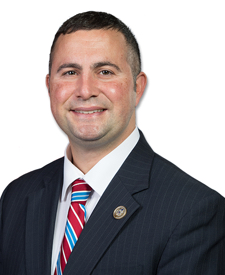

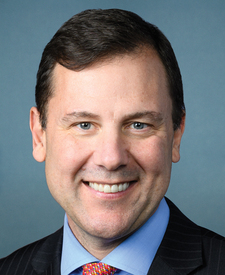
Legislative Progress
In CommitteeForwarded by Subcommittee to Full Committee (Amended) by Voice Vote.
Subcommittee Consideration and Mark-up Session Held
Mr. Mullin introduced the following bill; which was referred to …
Referred to the Subcommittee on Commerce, Manufacturing, and Trade.
Referred to the House Committee on Energy and Commerce.
Introduced in House
Stakeholder Effects
cui bono?How this legislation distributes effects. Mention counts reflect frequency, not effect magnitude.
Traffic safety advocates, Vulnerable road users
Bill Structure & Actor Mappings
Who is "The Secretary" in each section?
We use a combination of our own taxonomy and classification in addition to large language models to assess meaning and potential beneficiaries. High confidence means strong textual evidence. Always verify with the original bill text.
Learn more about our methodology