HALOS Act of 2025
Summary
What This Bill Does
The HALOS Act of 2025 creates a securities-law safe harbor for certain startup pitch events. It defines an angel investor group as a group of accredited investors that invests personal capital in early-stage companies, holds regular meetings, follows defined investment processes, and is not affiliated with brokers, dealers, or investment advisers. It defines eligible issuers as operating businesses that are not in bankruptcy or receivership, not investment companies, and not blank-check, blind-pool, or shell companies. Within six months, the SEC must revise Regulation D so the general solicitation and advertising ban does not apply to presentations or communications made by or for an eligible issuer at qualifying events sponsored by governments, colleges and universities, nonprofits, angel investor groups, incubators, accelerators, venture forums, venture capital associations, trade associations, or other SEC-approved sponsors. Sponsors cannot make investment recommendations, give investment advice, take an active role in negotiations, charge more than reasonable administrative fees, receive compensation for introductions or negotiations, or receive compensation requiring broker, dealer, or investment-adviser registration. Sponsors must make a one-page SEC-prescribed risk disclosure available to attendees. Issuers may disclose only limited offering information, and event attendance alone does not establish the pre-existing substantive relationship needed for Rule 506(b) sales.
Who Benefits and How
Early-stage startup issuers, angel investor groups, accredited investors attending pitch events, university entrepreneurship centers, incubators, accelerators, venture forums, venture capital associations, trade associations, state economic-development agencies, tribal economic-development offices, and nonprofit startup programs benefit because founders can present limited offering information at qualifying events without the presentation itself being treated as banned general solicitation under Regulation D.
Who Bears the Burden and How
The Securities and Exchange Commission, SEC Regulation D staff, event sponsors, angel investor group organizers, university entrepreneurship centers, incubators, accelerators, venture forums, venture capital associations, trade associations, broker-dealer compliance staff, investment-adviser compliance staff, and investor-protection advocates bear burdens because the bill requires rule revisions, sponsor guardrails, risk-disclosure delivery, fee and compensation limits, no investment advice or negotiation role, and monitoring to ensure presentations do not become securities sales or create Rule 506(b) relationships by attendance alone.
Key Provisions
- Requires SEC Regulation D revisions within six months for qualifying pitch-event presentations and communications.
- Defines angel investor groups and eligible issuers for the safe harbor.
- Allows events sponsored by governments, higher education institutions, nonprofits, angel groups, incubators, accelerators, venture forums, venture capital associations, and trade associations.
- Bars sponsors from giving investment advice, making recommendations, negotiating, charging more than administrative fees, or receiving compensated introductions.
- Requires sponsors to provide a one-page SEC-prescribed risk disclosure.
- Limits issuer offering information and clarifies that event attendance alone does not establish a Rule 506(b) pre-existing substantive relationship.
Evidence Chain:
This summary is generated from the full bill text using AI analysis. Expand "Detailed Analysis" below for identified beneficiaries/burden bearers with clause-level evidence links.
At a Glance
What This Bill Does
Requires the SEC within six months to revise Regulation D so qualifying presentations at startup pitch events sponsored by governments, universities, nonprofits, angel investor groups, incubators, accelerators, venture forums, venture capital associations, and trade associations do not count as prohibited general solicitation, while imposing sponsor limits, one-page risk disclosures, offering-information limits, and a rule that attendance alone does not create a Rule 506(b) substantive relationship.
Key Policy Areas
Financial Services, Small Business, Capital Formation
Primary Purpose
Requires the SEC within six months to revise Regulation D so qualifying presentations at startup pitch events sponsored by governments, universities, nonprofits, angel investor groups, incubators, accelerators, venture forums, venture capital associations, and trade associations do not count as prohibited general solicitation, while imposing sponsor limits, one-page risk disclosures, offering-information limits, and a rule that attendance alone does not create a Rule 506(b) substantive relationship.
Policy Domains
Substantive provisions
Identified Gains
- Early-stage startup issuers
- Angel investor groups
- Accredited investors attending pitch events
- University entrepreneurship centers
- Incubators
- Accelerators
- Venture forums
- Venture capital associations
- Trade associations
- State economic-development agencies
- Tribal economic-development offices
- Nonprofit startup programs
Identified Costs
- Securities and Exchange Commission
- SEC Regulation D staff
- Event sponsors
- Angel investor group organizers
- University entrepreneurship centers
- Incubators
- Accelerators
- Venture forums
- Venture capital associations
- Trade associations
- Broker-dealer compliance staff
- Investment-adviser compliance staff
- Investor-protection advocates
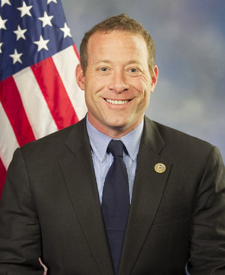
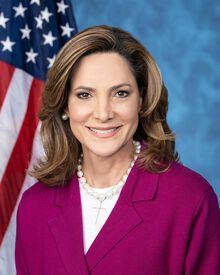
Sponsors

Legislative Progress
Passed HouseReceived; read twice and referred to theCommittee on Banking, Housing, …
Passed House (inferred from eh version)
Received in the Senate and Read twice and referred to …
Motion to reconsider laid on the table Agreed to without …
On motion to suspend the rules and pass the bill, …
Passed/agreed to in House: On motion to suspend the rules …
DEBATE - The House proceeded with forty minutes of debate …
Considered under suspension of the rules. (consideration: CR H2866-2868)
Mrs. Wagner moved to suspend the rules and pass the …
Additional sponsor: Ms. Salazar
Stakeholder Effects
cui bono?How this legislation distributes effects. Mention counts reflect frequency, not effect magnitude.
Accredited investors attending pitch events, Angel investor groups, Broker-dealer compliance staff
Positive-direction: Accredited investors attending pitch events, Angel investor groups, Venture capital associations, Venture forums
Negative-direction: Broker-dealer compliance staff, Investment-adviser compliance staff
Accelerators, Event sponsors, Incubators
Positive-direction: Accelerators, Incubators
Negative-direction: Event sponsors
State economic-development agencies
Bill Structure & Actor Mappings
Who is "The Secretary" in each section?
- "issuer"
- → operating business that is not bankrupt, not an investment company, and not a blank-check, blind-pool, or shell company
- "regulation_d"
- → SEC private-offering rules under 17 CFR 230.500 et seq.
- "angel_investor_group"
- → accredited-investor group investing personal capital in early-stage companies
We use a combination of our own taxonomy and classification in addition to large language models to assess meaning and potential beneficiaries. High confidence means strong textual evidence. Always verify with the original bill text.
Learn more about our methodology