HALOS Act of 2025
Sponsors

Legislative Progress
In CommitteeReceived; read twice and referred to theCommittee on Banking, Housing, …
Passed House (inferred from eh version)
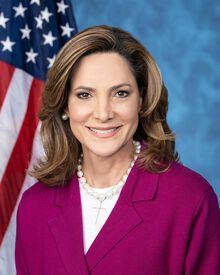
Additional sponsor: Ms. Salazar
Reported with an amendment, committed to the Committee of the …
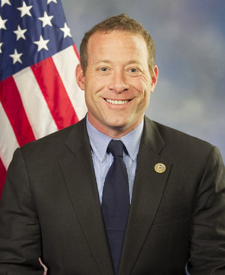
Mr. Lawler (for himself and Mr. Gottheimer) introduced the following …
Summary
What This Bill Does
The HALOS Act of 2025 (Helping Angels Lead Our Startups Act) makes it easier for early-stage companies (startups) to raise money from angel investors. Currently, securities law prohibits companies from "general solicitation" - broadly advertising that they are seeking investors. This bill creates an exception allowing startup founders to pitch their companies at certain approved events without violating securities rules.
Who Benefits and How
Angel investor groups and early-stage startups are the primary beneficiaries. Startups can now present at pitch events hosted by universities, incubators, accelerators, venture associations, government agencies, or nonprofit organizations without the presentation counting as illegal general solicitation. This removes a significant legal barrier that has prevented startups from participating in many investor networking events.
Event organizers (universities, incubators, accelerators, venture forums) also benefit as they can now host startup pitch events without exposing participating companies to securities law violations. This legitimizes a common practice in the startup ecosystem.
Who Bears the Burden and How
The Securities and Exchange Commission (SEC) must revise Regulation D within 6 months to implement these new rules. This creates regulatory work but no ongoing costs.
No significant burden is imposed on any private party. The bill loosens existing restrictions rather than creating new requirements. Individual investors still have the same protections - the bill only applies to presentations at qualifying events, not to actual sales of securities.
Key Provisions
-
Creates a "safe harbor" for pitch events: Companies can present at events sponsored by government agencies, universities, nonprofits, angel investor groups, incubators, accelerators, or venture associations without violating general solicitation rules
-
Defines "angel investor group": A group of accredited investors with regular meetings and defined investment processes, not affiliated with brokers or investment advisers
-
Sets event sponsor requirements: Sponsors cannot make investment recommendations, cannot be paid for introductions, must provide risk disclosures, and cannot charge more than reasonable administrative fees
-
Limits what issuers can share: At these events, companies can only announce they are offering securities, the type and amount, how much is already subscribed, and intended use of funds - no detailed offering information
-
Clarifies that attendance is not enough: Simply attending a pitch event does not create a "pre-existing substantive relationship" that would allow an issuer to sell directly to that attendee under Rule 506(b)
Evidence Chain:
This summary is derived from the structured analysis below. See "Detailed Analysis" for per-title beneficiaries/burden bearers with clause-level evidence links.
Primary Purpose
The Helping Angels Lead Our Startups Act of 2025 (HALOS) aims to facilitate angel investments in early-stage companies by allowing presentations at certain events without violating general solicitation rules.
Policy Domains
Bill Structure & Actor Mappings
Who is "The Secretary" in each section?
Key Definitions
Terms defined in this bill
The bill may be cited as the Helping Angels Lead Our Startups Act of 2025 or HALOS Act.
A group composed of accredited investors interested in early-stage companies, with defined processes for investment decisions.
We use a combination of our own taxonomy and classification in addition to large language models to assess meaning and potential beneficiaries. High confidence means strong textual evidence. Always verify with the original bill text.
Learn more about our methodology