To amend the Communications Act of 1934 to establish technical and procedural standards for artificial or prerecorded voice systems created through generative artificial intelligence, and for other purposes.
Summary
What This Bill Does
This bill amends section 227(d)(3) of the Communications Act, the provision directing FCC technical and procedural standards for artificial or prerecorded telephone voice systems. It inserts language making clear that those standards include systems created through generative artificial intelligence, including voice cloning, and other later technologies that the FCC considers appropriate. The immediate legal effect is not a new consumer cause of action; it is a direction that FCC robocall and prerecorded-voice standards must encompass AI-generated voice technology.
Who Benefits and How
Telephone subscribers benefit because FCC robocall standards would explicitly cover AI-generated voices and voice cloning. Consumers targeted by voice-cloning scams benefit from clearer FCC authority to set technical and procedural safeguards for synthetic calls. State consumer protection enforcers benefit from a federal standard that recognizes generative AI voice systems within robocall rules. Voice service providers benefit from clearer FCC expectations for calls using artificial or prerecorded AI voices.
Who Bears the Burden and How
Telemarketers using AI voice systems must comply with standards that explicitly include generative AI and voice cloning. Voice cloning vendors face regulatory pressure when their tools are used in artificial or prerecorded telephone systems. FCC robocall staff must update or apply technical and procedural standards to AI-generated voice technologies. Call compliance teams must track future technologies that the FCC deems covered under section 227(d)(3).
Key Provisions
- Expands Communications Act robocall standards to cover generative-AI voice systems.
- Adds voice cloning as an example of covered artificial or prerecorded voice technology.
- Authorizes FCC treatment of later technologies the Commission deems appropriate.
- Requires call compliance programs to treat AI-generated telephone voices as covered by section 227(d)(3) standards.
Evidence Chain:
This summary is generated from the full bill text using AI analysis. Expand "Detailed Analysis" below for identified beneficiaries/burden bearers with clause-level evidence links.
At a Glance
What This Bill Does
Requires FCC technical and procedural standards for artificial or prerecorded telephone voice systems to cover generative-AI voice systems, including voice cloning and future technologies the Commission deems appropriate.
Key Policy Areas
Telecommunications, Artificial Intelligence, Consumer Protection
Primary Purpose
Requires FCC technical and procedural standards for artificial or prerecorded telephone voice systems to cover generative-AI voice systems, including voice cloning and future technologies the Commission deems appropriate.
Policy Domains
Resolution provisions
Identified Gains
- Telephone subscribers
- Consumers targeted by voice-cloning scams
- State consumer protection enforcers
- Voice service providers
Identified Costs
- Telemarketers using AI voice systems
- Voice cloning vendors
- FCC robocall staff
- Call compliance teams
Sponsors
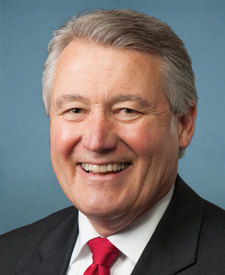
Legislative Progress
In CommitteeMr. Allen introduced the following bill; which was referred to …
Referred to the House Committee on Energy and Commerce.
Introduced in House
Stakeholder Effects
cui bono?How this legislation distributes effects. Mention counts reflect frequency, not effect magnitude.
Telemarketers using AI voice systems, Telephone subscribers, Voice service providers
Positive-direction: Telephone subscribers, Voice service providers
Negative-direction: Telemarketers using AI voice systems
Bill Structure & Actor Mappings
Who is "The Secretary" in each section?
We use a combination of our own taxonomy and classification in addition to large language models to assess meaning and potential beneficiaries. High confidence means strong textual evidence. Always verify with the original bill text.
Learn more about our methodology