Equal Opportunity for All Investors Act of 2025
Summary
What This Bill Does
The Equal Opportunity for All Investors Act of 2025 creates an expertise-based path to accredited-investor status. The Securities and Exchange Commission must revise Regulation D so any natural person who passes a required certification examination qualifies as an accredited investor. Within one year, the SEC must establish an exam, test, certification, or exam program designed so financially sophisticated individuals would be unlikely to fail. The exam must test competency in different types of securities, disclosure requirements for exempt offerings versus registered offerings, corporate governance, financial statements, and private-market risks. The risk topics must include limited liquidity, limited disclosures, subjective and variable valuations, analytical tools for valuation, information asymmetry, leverage risk, concentration risk, longer investment horizons, and conflicts of interest when financial professionals' duties and incentives diverge. Beginning within 180 days after the SEC establishes the exam, a registered national securities association must administer it and offer it free of charge to the public.
Who Benefits and How
Financially knowledgeable people below wealth thresholds, retail investors with securities expertise, licensed financial professionals seeking private-offering access, private-company issuers, private-fund sponsors, venture capital funds, angel-investment networks, and crowdfunding-adjacent capital raisers benefit because the bill gives people a route into Regulation D offerings based on demonstrated knowledge instead of only income, net worth, or institutional status. Investors who pass the free exam could gain access to private companies, private funds, and exempt securities offerings that were previously closed to them.
Who Bears the Burden and How
The Securities and Exchange Commission, SEC Regulation D staff, SEC investor-education staff, FINRA or another registered national securities association, exam vendors, broker-dealers, private-offering compliance teams, investor-protection advocates, and less experienced retail investors bear burdens or risks because the bill requires exam design, administration, free public delivery, competency standards, rule revisions, and monitoring of a larger pool of people exposed to illiquid, lightly disclosed, hard-to-value, leveraged, concentrated, long-horizon private investments and conflicts of interest.
Key Provisions
- Requires the SEC to revise Regulation D to include exam-certified natural persons as accredited investors.
- Requires the SEC to establish the certification exam within one year.
- Requires the exam to be calibrated so financially sophisticated individuals would be unlikely to fail.
- Requires tested topics covering securities types, disclosure regimes, corporate governance, financial statements, private securities, private funds, valuation, liquidity, leverage, concentration, information asymmetry, investment horizons, and conflicts of interest.
- Requires a registered national securities association to administer and offer the exam free to the public within 180 days after establishment.
Evidence Chain:
This summary is generated from the full bill text using AI analysis. Expand "Detailed Analysis" below for identified beneficiaries/burden bearers with clause-level evidence links.
At a Glance
What This Bill Does
Requires the SEC to create an accredited-investor certification exam within one year, add exam-certified natural persons to Regulation D accredited-investor status, test knowledge of securities, private offerings, financial statements, corporate governance, private-fund risks, valuation, information asymmetry, leverage, concentration, long investment horizons, and conflicts of interest, and have a registered national securities association offer the exam free to the public within 180 days after creation.
Key Policy Areas
Financial Services, Securities, Private Markets
Primary Purpose
Requires the SEC to create an accredited-investor certification exam within one year, add exam-certified natural persons to Regulation D accredited-investor status, test knowledge of securities, private offerings, financial statements, corporate governance, private-fund risks, valuation, information asymmetry, leverage, concentration, long investment horizons, and conflicts of interest, and have a registered national securities association offer the exam free to the public within 180 days after creation.
Policy Domains
Substantive provisions
Identified Gains
- Financially knowledgeable people below wealth thresholds
- Retail investors with securities expertise
- Licensed financial professionals seeking private-offering access
- Private-company issuers
- Private-fund sponsors
- Venture capital funds
- Angel-investment networks
Identified Costs
- Securities and Exchange Commission
- SEC Regulation D staff
- SEC investor-education staff
- FINRA
- Exam vendors
- Broker-dealers
- Private-offering compliance teams
- Investor-protection advocates
- Less experienced retail investors
Sponsors
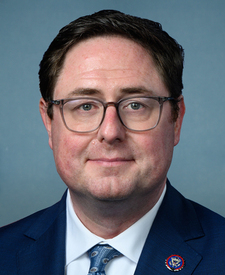


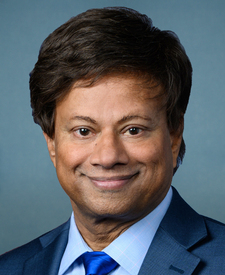
Legislative Progress
Passed HouseReceived; read twice and referred to the Committee on Banking, …
Passed House (inferred from eh version)
Received in the Senate and Read twice and referred to …
Motion to reconsider laid on the table Agreed to without …
On motion to suspend the rules and pass the bill, …
Passed/agreed to in House: On motion to suspend the rules …
DEBATE - The House proceeded with forty minutes of debate …
Considered under suspension of the rules. (consideration: CR H3506-3508)
Mr. Hill (AR) moved to suspend the rules and pass …
Reported with an amendment, committed to the Committee of the …
Stakeholder Effects
cui bono?How this legislation distributes effects. Mention counts reflect frequency, not effect magnitude.
FINRA, Private-company issuers, Private-fund sponsors
Positive-direction: Private-company issuers, Private-fund sponsors, Venture capital funds
Negative-direction: FINRA
Financially knowledgeable people below wealth thresholds, Less experienced retail investors, Retail investors with securities expertise
SEC Regulation D staff, Securities and Exchange Commission
Bill Structure & Actor Mappings
Who is "The Secretary" in each section?
- "commission"
- → Securities and Exchange Commission
- "regulation_d"
- → SEC rules for private and exempt securities offerings
- "national_securities_association"
- → registered association under Exchange Act section 15A, commonly FINRA
We use a combination of our own taxonomy and classification in addition to large language models to assess meaning and potential beneficiaries. High confidence means strong textual evidence. Always verify with the original bill text.
Learn more about our methodology