Eastern Mediterranean Gateway Act
Summary
What This Bill Does
The Eastern Mediterranean Gateway Act frames Cyprus, Greece, Egypt, and Israel as a strategic hub for the India-Middle East-Europe Economic Corridor. It cites IMEC as a G20 and G7-backed alternative to China's Belt and Road Initiative, the U.S. 3+1 framework with Greece, Israel, and Cyprus, energy projects such as the Great Sea Interconnector, Gregy Interconnection Project, Greece-Bulgaria Interconnector, and LNG terminals, Cyprus defense article eligibility, Abraham Accords normalization policy, and India's growing ties with Greece, Israel, and Cyprus. The Secretary of State may institutionalize multilateral strategic dialogues with IMEC countries and must prioritize Eastern Mediterranean energy security and defense cooperation. Energy, State, and DHS must produce annual or one-year reports and briefings on energy projects, defense cooperation, multilateral initiatives, CYCLOPS as a model for cooperation, and the cost, steps, and feasibility of creating or expanding U.S.-Israel-style binational agriculture, industrial, science, and technology programs to other Eastern Mediterranean and IMEC countries.
Who Benefits and How
Eastern Mediterranean partner governments benefit because the bill prioritizes Egypt, Greece, Cyprus, and Israel in U.S. energy and defense diplomacy. Energy project developers benefit from congressional attention to interconnectors and LNG infrastructure tied to European energy security. IMEC countries benefit from U.S. support for the corridor as a strategic link between India, the Gulf, the Eastern Mediterranean, and Europe. Research institutions benefit if U.S.-Israel-style binational agriculture, industrial, science, and technology programs are created or expanded.
Who Bears the Burden and How
State Department regional staff must organize strategic dialogues, prioritize the region, brief Congress, and study binational program feasibility. Energy Department staff must report annually on energy projects and defense cooperation implementation. DHS security staff must help analyze CYCLOPS as a model for broad multilateral cooperation. Congressional foreign affairs committees must review recurring reports and briefings on IMEC and Eastern Mediterranean cooperation.
Key Provisions
- Supports Eastern Mediterranean countries as a strategic gateway for the India-Middle East-Europe Economic Corridor.
- Directs State to prioritize energy security and defense cooperation in the Eastern Mediterranean region.
- Requires reports and briefings on energy projects, defense cooperation, multilateral initiatives, CYCLOPS, and binational program feasibility.
- Uses the 3+1 framework, Abraham Accords policy, and U.S.-Israel research program models as diplomatic anchors.
Evidence Chain:
This summary is generated from the full bill text using AI analysis. Expand "Detailed Analysis" below for identified beneficiaries/burden bearers with clause-level evidence links.
At a Glance
What This Bill Does
Directs U.S. diplomacy toward Eastern Mediterranean countries as the strategic gateway for IMEC, prioritizing energy security and defense cooperation, institutionalized multilateral dialogues, annual reports, CYCLOPS analysis, and feasibility studies for binational research programs.
Key Policy Areas
Foreign Affairs, Energy Security, Defense Cooperation
Primary Purpose
Directs U.S. diplomacy toward Eastern Mediterranean countries as the strategic gateway for IMEC, prioritizing energy security and defense cooperation, institutionalized multilateral dialogues, annual reports, CYCLOPS analysis, and feasibility studies for binational research programs.
Policy Domains
Resolution provisions
Identified Gains
- Eastern Mediterranean partner governments
- Energy project developers
- IMEC countries
- Research institutions
Identified Costs
- State Department regional staff
- Energy Department staff
- DHS security staff
- Congressional foreign affairs committees
Sponsors



Legislative Progress
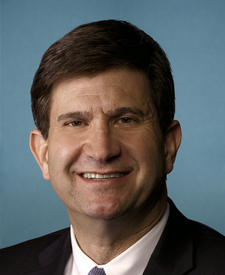
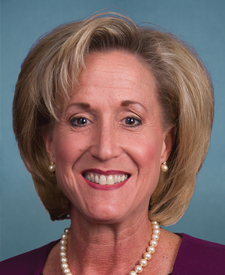
In CommitteeMr. Schneider (for himself, Mr. Bilirakis, Ms. Titus, Ms. Malliotakis, …
Referred to the House Committee on Foreign Affairs.
Introduced in House
Stakeholder Effects
cui bono?How this legislation distributes effects. Mention counts reflect frequency, not effect magnitude.
DHS security staff, Eastern Mediterranean partner governments, Energy Department staff
Positive-direction: Eastern Mediterranean partner governments
Negative-direction: DHS security staff, Energy Department staff, State Department regional staff
Bill Structure & Actor Mappings
Who is "The Secretary" in each section?
We use a combination of our own taxonomy and classification in addition to large language models to assess meaning and potential beneficiaries. High confidence means strong textual evidence. Always verify with the original bill text.
Learn more about our methodology