Certainty for Our Energy Future Act
Summary
What This Bill Does
The Certainty for Our Energy Future Act narrows clean energy tax subsidies in two ways. First, it amends the section 45Y clean electricity production credit and section 48E clean electricity investment credit so wind and solar facilities are not qualified facilities if construction begins after December 31, 2030. Construction-start rules follow IRS Notice 2013-29 concepts such as the Physical Work Test, Five Percent Safe Harbor, Continuity Requirement, and Continuity Safe Harbor as in effect on January 1, 2025. Second, it creates new Code section 7531 denying a long list of clean energy benefits, including sections 30C, 40, 40A, 40B, 45, 45Q, 45U, 45V, 45W, 45X, 45Y, 45Z, 48, 48C, 48E, 179D, and fuel credit provisions, to disqualified companies organized under or controlled by governments or controlled entities from China, Russia, Iran, or North Korea. Treasury must issue guidance within 180 days, and the disqualified-company rule applies after that guidance timing.
Who Benefits and How
Federal taxpayers benefit because the bill narrows wind, solar, and foreign-controlled clean energy tax subsidies. Domestic energy competitors benefit if disqualified companies tied to countries of concern lose access to U.S. clean energy credits. National security policymakers benefit from tax rules that target government-controlled entities from China, Russia, Iran, and North Korea. Non-wind clean energy developers benefit competitively because the 2030 wind and solar cutoff is technology-specific.
Who Bears the Burden and How
Wind developers lose section 45Y and 48E eligibility for facilities that begin construction after December 31, 2030. Solar developers face the same post-2030 cutoff for clean electricity production and investment credits. Disqualified companies connected to countries of concern lose access to a broad list of clean energy tax benefits. Treasury tax staff must issue ownership-control guidance and administer country-of-concern credit denials.
Key Provisions
- Blocks section 45Y production credit eligibility for wind and solar facilities beginning construction after 2030.
- Blocks section 48E investment credit eligibility for wind and solar facilities beginning construction after 2030.
- Restricts listed clean energy tax benefits for companies controlled by China, Russia, Iran, North Korea, or their governments.
- Requires Treasury guidance within 180 days and uses IRS construction-start safe harbor concepts.
Evidence Chain:
This summary is generated from the full bill text using AI analysis. Expand "Detailed Analysis" below for identified beneficiaries/burden bearers with clause-level evidence links.
At a Glance
What This Bill Does
Ends clean electricity production and investment credits for wind and solar projects beginning construction after 2030 and denies a broad set of clean energy tax benefits to companies controlled by China, Russia, Iran, North Korea, or their governments.
Key Policy Areas
Tax, Energy, National Security
Primary Purpose
Ends clean electricity production and investment credits for wind and solar projects beginning construction after 2030 and denies a broad set of clean energy tax benefits to companies controlled by China, Russia, Iran, North Korea, or their governments.
Policy Domains
Resolution provisions
Identified Gains
- Federal taxpayers
- Domestic energy competitors
- National security policymakers
- Non-wind clean energy developers
Identified Costs
- Wind developers
- Solar developers
- Disqualified companies connected to countries of concern
- Treasury tax staff
Sponsors



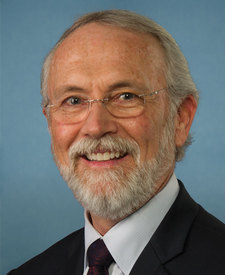
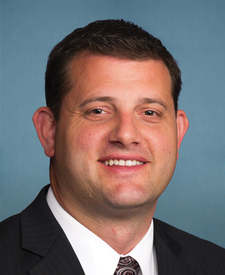
Legislative Progress
In CommitteeMrs. Kiggans of Virginia (for herself, Mr. Garbarino, Mr. Valadao, …
Referred to the House Committee on Ways and Means.
Introduced in House
Stakeholder Effects
cui bono?How this legislation distributes effects. Mention counts reflect frequency, not effect magnitude.
Disqualified companies connected to countries of concern, Domestic energy competitors
Positive-direction: Domestic energy competitors
Negative-direction: Disqualified companies connected to countries of concern
Bill Structure & Actor Mappings
Who is "The Secretary" in each section?
We use a combination of our own taxonomy and classification in addition to large language models to assess meaning and potential beneficiaries. High confidence means strong textual evidence. Always verify with the original bill text.
Learn more about our methodology