Local Communities & Bird Habitat Stewardship Act of 2025
Summary
What This Bill Does
The Local Communities and Bird Habitat Stewardship Act responds to bird-population declines and the economic importance of birdwatching. It cites a 50 percent loss of tipping-point bird species over 50 years, 96 million U.S. birdwatchers, $279 billion in annual economic output, $108 billion in birding trips and equipment, and 1.4 million jobs supported by birding-related spending. The bill directs the Interior Secretary, through the Fish and Wildlife Service Director, to establish a voluntary Urban Bird Treaty Program. The program supports covered entities in protecting, restoring, and enhancing urban bird habitats, controlling invasive species, restoring native plants, reducing urban hazards, engaging communities in bird monitoring, educating the public, building project capacity, and sharing best management practices. It also creates competitive grants for research, planning, assessment, management, monitoring, collaboration, workforce training, and related activities, administered by the National Fish and Wildlife Foundation. Authorization is $1 million per year for fiscal years 2026 through 2032.
Who Benefits and How
Municipal agencies benefit from technical and financial assistance for urban bird habitat projects. Community groups benefit from competitive grants for monitoring, education, stewardship, and workforce training. Birdwatching businesses benefit if healthier urban bird habitats support birding trips, equipment spending, and local tourism. Urban residents benefit from greener bird habitats that can improve water, landscape resilience, and disease monitoring.
Who Bears the Burden and How
Fish and Wildlife Service staff must establish the Urban Bird Treaty Program and coordinate technical assistance and partnerships. National Fish and Wildlife Foundation staff must administer the competitive grant program under an Interior agreement. Grant applicants must prepare applications for research, planning, assessments, management, monitoring, or workforce training. Federal taxpayers bear the $1 million annual authorization through fiscal 2032.
Key Provisions
- Establishes a voluntary Urban Bird Treaty Program through the Fish and Wildlife Service.
- Authorizes technical and financial assistance for urban habitat restoration, invasive-species control, hazard reduction, monitoring, and education.
- Creates competitive grants administered by the National Fish and Wildlife Foundation.
- Funds the program at $1 million annually for fiscal years 2026 through 2032.
Evidence Chain:
This summary is generated from the full bill text using AI analysis. Expand "Detailed Analysis" below for identified beneficiaries/burden bearers with clause-level evidence links.
At a Glance
What This Bill Does
Establishes an Urban Bird Treaty Program at the Fish and Wildlife Service with $1 million annually through fiscal 2032 for technical assistance, partnerships, and competitive grants administered through the National Fish and Wildlife Foundation.
Key Policy Areas
Wildlife, Urban Conservation, Local Government
Primary Purpose
Establishes an Urban Bird Treaty Program at the Fish and Wildlife Service with $1 million annually through fiscal 2032 for technical assistance, partnerships, and competitive grants administered through the National Fish and Wildlife Foundation.
Policy Domains
Resolution provisions
Identified Gains
- Municipal agencies
- Community groups
- Birdwatching businesses
- Urban residents
Identified Costs
- Fish and Wildlife Service staff
- National Fish and Wildlife Foundation staff
- Grant applicants
- Federal taxpayers
Sponsors
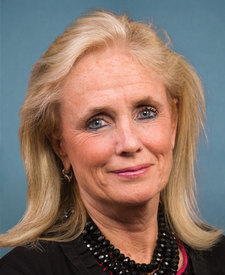
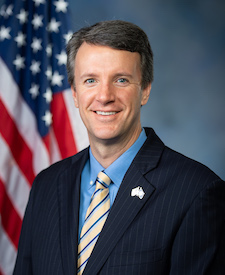

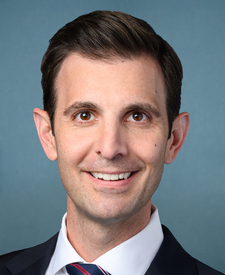
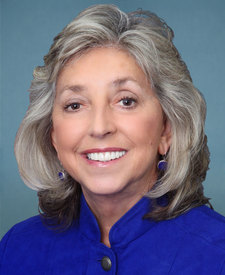
Legislative Progress
ReportedOrdered to be Reported in the Nature of a Substitute …
Committee Consideration and Mark-up Session Held
Subcommittee on Water, Wildlife and Fisheries Discharged
Subcommittee Hearings Held
Referred to the Subcommittee on Water, Wildlife and Fisheries.
Mrs. Dingell (for herself and Mr. Cline) introduced the following …
Referred to the House Committee on Natural Resources.
Introduced in House
Stakeholder Effects
cui bono?How this legislation distributes effects. Mention counts reflect frequency, not effect magnitude.
Community groups, National Fish and Wildlife Foundation staff
Positive-direction: Community groups
Negative-direction: National Fish and Wildlife Foundation staff
Bill Structure & Actor Mappings
Who is "The Secretary" in each section?
We use a combination of our own taxonomy and classification in addition to large language models to assess meaning and potential beneficiaries. High confidence means strong textual evidence. Always verify with the original bill text.
Learn more about our methodology