Local Communities & Bird Habitat Stewardship Act of 2026
Summary
What This Bill Does
The bill establishes the voluntary Urban Bird Treaty Program under the Secretary of the Interior acting through the Fish and Wildlife Service Director. It supports urban habitat restoration, invasive-species control, hazard reduction, community science and public education. A competitive grant program can fund research, planning, management, monitoring, capacity building and workforce training. Eligible grantees include Tribal, state and municipal agencies, nongovernmental organizations, community groups and academic institutions; federal agencies may participate as partners but are not listed as eligible grantees.
Who Benefits and How
Municipal agencies, Tribal agencies, conservation organizations and universities gain access to competitive funding and technical assistance. Urban residents may benefit from improved habitat and community projects. Awards must be distributed equitably, to the extent practicable, among small, midsize and large cities. These are funding opportunities, not guaranteed grants to every participating community.
Who Bears the Burden and How
Fish and Wildlife Service staff must run the program and assess applications. Grantees must submit information required by the Director. The bill authorizes $200,000 for each of fiscal years 2027 through 2033, but does not itself appropriate those funds. Compared with the earlier proposal, this is a reduction from $1 million annually and shifts the seven-year period by one year. Administration by the National Fish and Wildlife Foundation becomes optional rather than mandatory; the cited Foundation funding limitation is expressly disapplied.
Key Provisions
- Establishes voluntary urban habitat partnerships and competitive conservation grants.
- Authorizes $200,000 per year for fiscal years 2027 through 2033, subject to appropriations.
- Requires practicably equitable grant distribution across city sizes.
- Authorizes, rather than requires, grant administration through the National Fish and Wildlife Foundation.
Evidence Chain:
This summary is generated from the full bill text using AI analysis. Expand "Detailed Analysis" below for identified beneficiaries/burden bearers with clause-level evidence links.
At a Glance
What This Bill Does
Establish an urban habitat conservation program with competitive grants and authorize $200,000 annually for fiscal years 2027 through 2033.
Key Policy Areas
Environment, Public Lands
Primary Purpose
Establish an urban habitat conservation program with competitive grants and authorize $200,000 annually for fiscal years 2027 through 2033.
Policy Domains
Local Communities & Bird Habitat Stewardship Act of 2026
Identified Gains
- Municipal agencies
- Tribal agencies
- Conservation organizations
- Universities
Identified Costs
- Fish and Wildlife Service
- Grant applicants
Sponsors
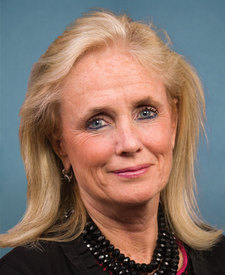
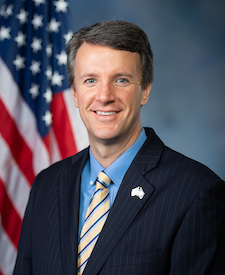
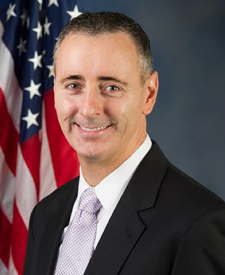
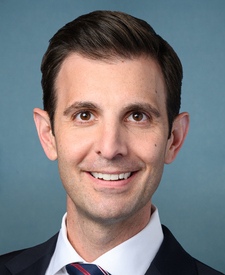
Legislative Progress
ReportedReceived in the Senate and Read twice and referred to …
Motion to reconsider laid on the table Agreed to without …
On motion to suspend the rules and pass the bill, …
Passed/agreed to in House: On motion to suspend the rules …
Considered as unfinished business. (consideration: CR H5599)
At the conclusion of debate, the Yeas and Nays were …
DEBATE - The House proceeded with forty minutes of debate …
Considered under suspension of the rules. (consideration: CR H5578-5580)
Mr. Westerman moved to suspend the rules and pass the …
Placed on the Union Calendar, Calendar No. 659.
Stakeholder Effects
cui bono?How this legislation distributes effects. Mention counts reflect frequency, not effect magnitude.
Fish and Wildlife Service, Municipal conservation agencies, Small-city conservation agencies
Positive-direction: Municipal conservation agencies, Small-city conservation agencies
Negative-direction: Fish and Wildlife Service
Urban conservation grant applicants, Urban conservation organizations
Positive-direction: Urban conservation organizations
Negative-direction: Urban conservation grant applicants
Bill Structure & Actor Mappings
Who is "The Secretary" in each section?
- "director"
- → Secretary of the Interior acting through the Fish and Wildlife Service Director
- "grantees"
- → Eligible nonfederal agencies, organizations, community groups and academic institutions
- "foundation"
- → National Fish and Wildlife Foundation
We use a combination of our own taxonomy and classification in addition to large language models to assess meaning and potential beneficiaries. High confidence means strong textual evidence. Always verify with the original bill text.
Learn more about our methodology