Child Care Infrastructure Act
Summary
What This Bill Does
The Child Care Infrastructure Act creates a large HHS grant program for safer and larger child care facilities. HHS must conduct an immediate needs assessment, prioritized toward federally funded child care programs, and a long-term national assessment of facility conditions. States may receive grants for up to five years to help child care providers acquire, construct, renovate, improve, adapt, reconfigure, or expand facilities. States must prioritize facilities serving low-income families, children under 5 with many infants and toddlers, programs with reduced capacity or poor facilities, nontraditional-hour providers, and rural or underserved communities. State grants can be up to $250 million annually and require a 10 percent match unless the state is an Indian tribe. Intermediaries such as certified community development financial institutions or tribal organizations can receive up to $15 million to provide technical assistance, capacity building, and financing products. The bill applies Davis-Bacon prevailing wage rules, authorizes $10 billion for fiscal 2026 through 2030, reserves 3 percent for tribes and 3 percent for territories, and limits assessment spending to $5 million.
Who Benefits and How
Child care providers benefit from grants to acquire, construct, renovate, improve, adapt, reconfigure, or expand facilities. Low-income families benefit because states must prioritize facilities that primarily serve low-income populations. Infants and toddlers benefit because prioritized facilities include programs serving children under age 5 with significant infant and toddler enrollment. Community development financial institutions benefit from intermediary grants for child care facility financing and technical assistance.
Who Bears the Burden and How
HHS child care staff must conduct needs assessments, award state and intermediary grants, monitor reports, manage set-asides, and publish results. States receiving grants must provide a 10 percent match, target priority facilities, and report on facility improvements and access effects. Construction contractors must comply with Davis-Bacon prevailing wage requirements for funded child care facility work. Federal taxpayers bear the cost of the $10 billion authorization for fiscal 2026 through 2030.
Key Provisions
- Authorizes $10 billion for child care infrastructure grants through fiscal 2030.
- Creates state grants up to $250 million annually and intermediary grants up to $15 million.
- Requires priority for low-income, infant-toddler, reduced-capacity, nontraditional-hour, rural, and underserved child care facilities.
- Applies Davis-Bacon wage rules and reserves 3 percent each for tribes and territories.
Evidence Chain:
This summary is generated from the full bill text using AI analysis. Expand "Detailed Analysis" below for identified beneficiaries/burden bearers with clause-level evidence links.
At a Glance
What This Bill Does
Authorizes $10 billion for child care facility infrastructure grants, with state grants up to $250 million annually, intermediary grants up to $15 million, child care needs assessments, Davis-Bacon labor standards, and set-asides for tribes and territories.
Key Policy Areas
Child Care, Infrastructure, Social Services
Primary Purpose
Authorizes $10 billion for child care facility infrastructure grants, with state grants up to $250 million annually, intermediary grants up to $15 million, child care needs assessments, Davis-Bacon labor standards, and set-asides for tribes and territories.
Policy Domains
Resolution provisions
Identified Gains
- Child care providers
- Low-income families
- Infants and toddlers
- Community development financial institutions
Identified Costs
- HHS child care staff
- States receiving grants
- Construction contractors
- Federal taxpayers
Sponsors
Legislative Progress
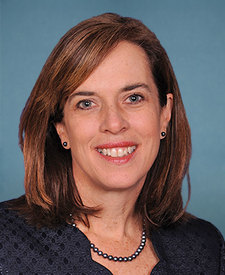
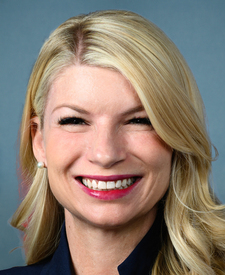
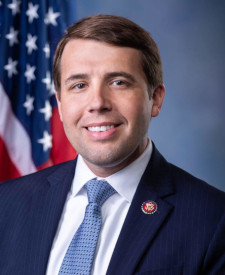
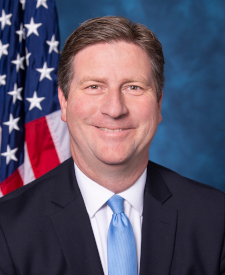
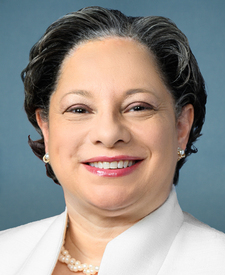
In CommitteeMs. Clark of Massachusetts (for herself, Ms. Bonamici, Mr. Gomez, …
Referred to the House Committee on Ways and Means.
Introduced in House
Stakeholder Effects
cui bono?How this legislation distributes effects. Mention counts reflect frequency, not effect magnitude.
Community development financial institutions
Bill Structure & Actor Mappings
Who is "The Secretary" in each section?
We use a combination of our own taxonomy and classification in addition to large language models to assess meaning and potential beneficiaries. High confidence means strong textual evidence. Always verify with the original bill text.
Learn more about our methodology