PSLF Payment Completion Fairness Act
Summary
What This Bill Does
The PSLF Payment Completion Fairness Act amends the Higher Education Act's Public Service Loan Forgiveness provision. Current PSLF text requires public-service employment when a borrower applies for forgiveness and when forgiveness is granted. The bill strikes the employment-at-forgiveness language so the key question becomes whether the borrower has made the required qualifying payments while employed in public service. That helps borrowers who completed 120 qualifying payments but left public service, retired, changed jobs, or had processing delays before forgiveness was granted.
Who Benefits and How
Former public service workers benefit because leaving government or nonprofit employment after completing qualifying payments would no longer block forgiveness. Retired public servants benefit if they completed PSLF payments before retirement but were not still employed when the loan was processed. Borrowers facing servicer delays benefit because a delayed forgiveness decision would not require continued qualifying employment. Public service employers benefit because PSLF becomes a cleaner recruitment promise tied to completed service rather than indefinite job lock.
Who Bears the Burden and How
Education Department loan staff must revise PSLF processing rules and forms to focus on qualifying payment history rather than current employment. Student loan servicers must update employment-certification and forgiveness workflows. Federal taxpayers bear the cost of forgiveness for borrowers who completed qualifying service but no longer hold public service jobs. Public service employers lose some retention leverage because borrowers are less tied to staying employed until final forgiveness approval.
Key Provisions
- Amends PSLF so borrowers do not need to be employed in public service at the moment forgiveness is granted.
- Protects borrowers who completed qualifying payments but changed jobs, retired, or waited through processing delays.
- Requires Education Department and servicers to adjust PSLF eligibility workflows.
- Preserves the core requirement that payments be made while the borrower was in qualifying public service.
Evidence Chain:
This summary is generated from the full bill text using AI analysis. Expand "Detailed Analysis" below for identified beneficiaries/burden bearers with clause-level evidence links.
At a Glance
What This Bill Does
Ends the requirement that a borrower still be employed in public service at the moment of Public Service Loan Forgiveness, so qualifying payment history is enough even if the borrower has changed jobs or retired.
Key Policy Areas
Education, Student Loans, Public Service
Primary Purpose
Ends the requirement that a borrower still be employed in public service at the moment of Public Service Loan Forgiveness, so qualifying payment history is enough even if the borrower has changed jobs or retired.
Policy Domains
Resolution provisions
Identified Gains
- Former public service workers
- Retired public servants
- Borrowers facing servicer delays
- Public service employers
Identified Costs
- Education Department loan staff
- Student loan servicers
- Federal taxpayers
- Public service employers
Sponsors




Legislative Progress
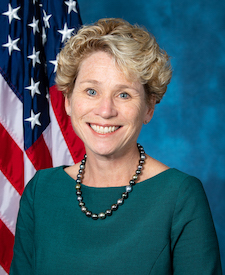
In CommitteeMs. Houlahan (for herself and Mr. Fitzpatrick) introduced the following …
Referred to the House Committee on Education and Workforce.
Introduced in House
Stakeholder Effects
cui bono?How this legislation distributes effects. Mention counts reflect frequency, not effect magnitude.
Former public service workers, Retired public servants, Student loan servicers
Positive-direction: Former public service workers, Retired public servants
Negative-direction: Student loan servicers
Bill Structure & Actor Mappings
Who is "The Secretary" in each section?
We use a combination of our own taxonomy and classification in addition to large language models to assess meaning and potential beneficiaries. High confidence means strong textual evidence. Always verify with the original bill text.
Learn more about our methodology