Violet’s Law
Summary
What This Bill Does
"Violet's Law" rewrites Section 14 of the Animal Welfare Act (7 U.S.C. 2144) to mandate that every federal department, agency, or instrumentality operating a research facility must -- within one year of enactment -- adopt standards facilitating the adoption or non-laboratory placement of animals no longer needed for research. Eligible animals include dogs, cats, nonhuman primates, guinea pigs, hamsters, and rabbits. These animals may be released to qualified animal rescue organizations, animal sanctuaries, animal shelters, or individuals, provided a veterinarian certifies the animal is free of infectious disease and physical abnormalities.
Who Benefits and How
Laboratory animals are the primary beneficiaries, gaining a pathway to adoption or sanctuary rather than euthanasia after research use ends. Animal rescue organizations and sanctuaries (501(c)(3) nonprofits) benefit from a new, steady supply of adoptable animals and formalized recognition in federal law. Animal shelters gain another channel for fulfilling their placement missions. Individuals seeking to adopt former research animals gain legal access to do so. Veterinarians licensed to practice may see increased demand for the mandatory health certification required before release.
Who Bears the Burden and How
Federal research facilities (agencies like NIH, USDA, DoD labs, VA, EPA, etc.) bear the primary compliance burden: they must develop and promulgate adoption/placement standards within one year, evaluate animals for suitability, and coordinate with receiving organizations and individuals. Animal sanctuaries must meet strict qualifying criteria -- registration with the Secretary of Agriculture, no commercial trade, no breeding, no public contact, no exhibition, no distressing research -- which may disqualify some existing facilities. The Secretary of Agriculture retains existing oversight authority for laboratory animal facility standards under Section 13.
Key Provisions
- Requires all federal research facilities to promulgate adoption/placement standards within 1 year of enactment (Section 14(b))
- Defines "eligible animal" as dogs, cats, nonhuman primates, guinea pigs, hamsters, or rabbits (Section 14(c)(4))
- Defines "suitable for release" requiring veterinary certification within 10 days of release (Section 14(c)(5))
- Establishes strict criteria for qualifying "animal sanctuaries" including 501(c)(3) status, no breeding, no commercial trade, no public contact, and no distressing research (Section 14(c)(2))
- Preserves existing requirement for federal lab animal facilities to comply with Secretary's standards under Section 13 (Section 14(a))
Evidence Chain:
This summary is generated from the full bill text using AI analysis. Expand "Detailed Analysis" below for identified beneficiaries/burden bearers with clause-level evidence links.
At a Glance
What This Bill Does
Amends Section 14 of the Animal Welfare Act to require all federal research facilities to establish standards and procedures for adopting or placing laboratory animals (dogs, cats, nonhuman primates, guinea pigs, hamsters, and rabbits) no longer needed for research, channeling them to animal rescue organizations, sanctuaries, shelters, or individuals rather than euthanasia.
Key Policy Areas
Science & Technology, Government Operations
Primary Purpose
Amends Section 14 of the Animal Welfare Act to require all federal research facilities to establish standards and procedures for adopting or placing laboratory animals (dogs, cats, nonhuman primates, guinea pigs, hamsters, and rabbits) no longer needed for research, channeling them to animal rescue organizations, sanctuaries, shelters, or individuals rather than euthanasia.
Policy Domains
Whole Bill -- Federal Research Animal Adoption/Placement
Identified Gains
- Laboratory animals (dogs, cats, primates, guinea pigs, hamsters, rabbits)
- Animal rescue organizations (501(c)(3) nonprofits)
- Animal sanctuaries meeting federal criteria
- Individuals seeking to adopt former research animals
- Licensed veterinarians (health certification demand)
Identified Costs
- Federal research facilities (NIH, USDA, DoD, VA, EPA labs, etc.)
- Animal sanctuaries (must meet strict qualifying criteria)
Sponsors




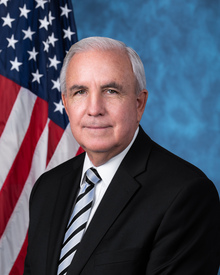
Legislative Progress
In CommitteeMs. Mace (for herself, Mr. Huffman, Mr. Gimenez, Ms. Scanlon, …
Referred to the House Committee on Agriculture.
Introduced in House
Stakeholder Effects
cui bono?How this legislation distributes effects. Mention counts reflect frequency, not effect magnitude.
Animal rescue organizations (501(c)(3) nonprofits), Animal rescue organizations and shelters, Animal sanctuaries (strict 501(c)(3) qualifying criteria)
Positive-direction: Animal rescue organizations (501(c)(3) nonprofits), Animal rescue organizations and shelters, Laboratory animals (dogs, cats, primates, guinea pigs, hamsters, rabbits)
Negative-direction: Animal sanctuaries (strict 501(c)(3) qualifying criteria), Animal sanctuaries meeting federal criteria
Federal research facilities (NIH, USDA, DoD, VA, EPA labs), Federal research facilities (all U.S. government labs)
Bill Structure & Actor Mappings
Who is "The Secretary" in each section?
- "the_secretary"
- → Secretary of Agriculture
Key Definitions
Terms defined in this bill
A 501(c)(3) tax-exempt organization with the purpose of rescuing unwanted, abandoned, or otherwise displaced animals and finding permanent adoptive homes for them.
A 501(c)(3) tax-exempt organization registered with the Secretary that operates a lifetime refuge for animals, with no public visitation, no commercial trade, no breeding, no public contact, no exhibition, and no distressing research.
A facility that accepts or seizes animals to care for them, place them in permanent adoptive homes, or carry out law enforcement purposes.
Any dog, cat, nonhuman primate, guinea pig, hamster, or rabbit.
An eligible animal evaluated and certified by a licensed veterinarian (within 10 days of release) as free of infectious disease or physical abnormality that would endanger the animal, other animals, or public health.
We use a combination of our own taxonomy and classification in addition to large language models to assess meaning and potential beneficiaries. High confidence means strong textual evidence. Always verify with the original bill text.
Learn more about our methodology