Therapeutic Fraud Prevention Act of 2025
Summary
What This Bill Does
The Therapeutic Fraud Prevention Act treats conversion therapy as an unfair or deceptive practice. It makes it unlawful to provide conversion therapy to any individual, advertise conversion therapy with claims that it can change sexual orientation or gender identity or reduce same-gender attractions without risk, or knowingly assist or facilitate conversion therapy for compensation. The FTC enforces the prohibition under FTC Act powers and may issue regulations. The Attorney General may bring federal civil actions, and state attorneys general or authorized state officers may bring parens patriae civil actions with notice to the FTC, subject to limits when the FTC has already filed an action against the same defendant.
Who Benefits and How
LGBTQ people benefit because the bill creates federal civil enforcement against paid conversion therapy and related advertising. Conversion therapy survivors benefit from a fraud-prevention framework that treats claimed orientation or gender-identity change as unlawful conduct. State attorneys general benefit from parens patriae authority to sue providers on behalf of residents. FTC enforcement staff benefit from explicit authority to police conversion-therapy advertising and compensated services.
Who Bears the Burden and How
Conversion therapy providers must stop providing paid conversion therapy to individuals. Advertisers of conversion therapy must stop claims that they can change sexual orientation or gender identity or that the efforts are harmless. Compensated facilitators face liability if they knowingly assist conversion therapy for payment. DOJ civil attorneys must handle federal enforcement actions when the Attorney General sues.
Key Provisions
- Prohibits providing conversion therapy to any individual.
- Bars advertising claims that conversion therapy changes sexual orientation or gender identity, reduces same-gender attraction, or is harmless.
- Treats violations as unfair or deceptive practices enforceable by the FTC with FTC Act penalties.
- Authorizes DOJ and state attorney general civil actions, with FTC notice and intervention rules.
Evidence Chain:
This summary is generated from the full bill text using AI analysis. Expand "Detailed Analysis" below for identified beneficiaries/burden bearers with clause-level evidence links.
At a Glance
What This Bill Does
Makes compensated conversion therapy, advertising that claims to change sexual orientation or gender identity, and compensated facilitation of conversion therapy unlawful and enforceable by the FTC, DOJ, and state attorneys general.
Key Policy Areas
Consumer Protection, Civil Rights, Health Care
Primary Purpose
Makes compensated conversion therapy, advertising that claims to change sexual orientation or gender identity, and compensated facilitation of conversion therapy unlawful and enforceable by the FTC, DOJ, and state attorneys general.
Policy Domains
Resolution provisions
Identified Gains
- LGBTQ people
- Conversion therapy survivors
- State attorneys general
- FTC enforcement staff
Identified Costs
- Conversion therapy providers
- Advertisers of conversion therapy
- Compensated facilitators
- DOJ civil attorneys
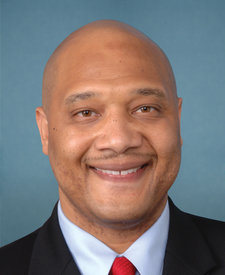
Sponsors




Legislative Progress
In CommitteeMr. Lieu (for himself, Mr. Nadler, Mr. Lynch, Ms. Sánchez, …
Referred to the House Committee on Energy and Commerce.
Introduced in House
Stakeholder Effects
cui bono?How this legislation distributes effects. Mention counts reflect frequency, not effect magnitude.
Bill Structure & Actor Mappings
Who is "The Secretary" in each section?
We use a combination of our own taxonomy and classification in addition to large language models to assess meaning and potential beneficiaries. High confidence means strong textual evidence. Always verify with the original bill text.
Learn more about our methodology