To improve commercialization activities in the SBIR and STTR programs, and for other purposes.
Summary
What This Bill Does
The bill creates phase flexibility authority for SBIR/STTR programs expanded to all federal agencies with spending caps, requires mandate for each federal SBIR/STTR agency to designate a Technology Commercialization Official with reporting duties, and creates expanded technical and business assistance for SBIR/STTR awardees with higher funding caps and more vendor flexibility. It relies on grants, compliance mandates, reporting requirements, and exemptions. The main policy areas are Finance, Defense, Healthcare, and Technology.
Who Benefits and How
Small businesses receiving SBIR/STTR awards could gain revenue opportunities, Small businesses seeking commercialization guidance could gain revenue opportunities, and Technical assistance vendors could gain revenue opportunities.
Who Bears the Burden and How
Federal agencies with SBIR/STTR programs would take on compliance duties, SBA and federal agencies would take on compliance duties, and Federal agencies with I-Corps programs would take on compliance duties.
Key Provisions
- Creates phase flexibility authority for SBIR/STTR programs expanded to all federal agencies with spending caps.
- Requires mandate for each federal SBIR/STTR agency to designate a Technology Commercialization Official with reporting duties.
- Creates expanded technical and business assistance for SBIR/STTR awardees with higher funding caps and more vendor flexibility.
- Requires mandatory I-Corps participation option for SBIR/STTR awardees at agencies with I-Corps programs.
- Requires annual commercialization impact assessment report for frequent SBIR/STTR Phase II awardees measuring revenue, patents, jobs, and investment.
Evidence Chain:
This summary is generated from the full bill text using AI analysis. Expand "Detailed Analysis" below for identified beneficiaries/burden bearers with clause-level evidence links.
At a Glance
What This Bill Does
The bill creates phase flexibility authority for SBIR/STTR programs expanded to all federal agencies with spending caps, requires mandate for each federal SBIR/STTR agency to designate a Technology Commercialization Official with reporting duties, and creates expanded technical and business assistance for SBIR/STTR awardees with higher funding caps and more vendor flexibility.
Key Policy Areas
Finance, Defense, Healthcare, Technology
Primary Purpose
The bill creates phase flexibility authority for SBIR/STTR programs expanded to all federal agencies with spending caps, requires mandate for each federal SBIR/STTR agency to designate a Technology Commercialization Official with reporting duties, and creates expanded technical and business assistance for SBIR/STTR awardees with higher funding caps and more vendor flexibility.
Policy Domains
Section 2 - Peer Review Commercialization Criteria
Identified Gains
- Small businesses receiving SBIR/STTR awards
- Small businesses seeking commercialization guidance
- Technical assistance vendors
- Department of Defense
- National Institutes of Health
Identified Costs
- Federal agencies with SBIR/STTR programs
- SBA and federal agencies
- Federal agencies with I-Corps programs
- USPTO
- Small businesses with 50+ Phase II awards
Sponsors
Legislative Progress
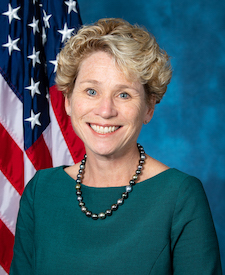
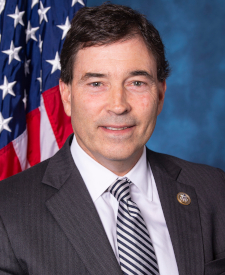
IntroducedMs. Houlahan (for herself and Mr. Balderson) introduced the following …
Stakeholder Effects
cui bono?How this legislation distributes effects. Mention counts reflect frequency, not effect magnitude.
Department of Defense, Federal agencies with I-Corps programs, Federal agencies with SBIR/STTR programs
Positive-direction: Department of Defense, National Institutes of Health
Negative-direction: Federal agencies with I-Corps programs, Federal agencies with SBIR/STTR programs, SBA and federal agencies, USPTO
Small businesses receiving SBIR/STTR awards, Small businesses seeking commercialization guidance, Small businesses with 50+ Phase II awards
Positive-direction: Small businesses receiving SBIR/STTR awards, Small businesses seeking commercialization guidance
Negative-direction: Small businesses with 50+ Phase II awards
Bill Structure & Actor Mappings
Who is "The Secretary" in each section?
- "the_administrator"
- → Administrator of the Small Business Administration
- "the_administrator"
- → Administrator of the SBA
- "the_director"
- → Under Secretary of Commerce for IP / Director of USPTO
- "the_administrator"
- → Administrator of the SBA
We use a combination of our own taxonomy and classification in addition to large language models to assess meaning and potential beneficiaries. High confidence means strong textual evidence. Always verify with the original bill text.
Learn more about our methodology