No Student Visas for Sanctuary Cities Act of 2025
Summary
What This Bill Does
The No Student Visas for Sanctuary Cities Act amends the student-visa section of the Immigration and Nationality Act. Each fiscal year, DHS must identify sanctuary jurisdictions. If an academic school, language training program, vocational school, or other recognized nonacademic institution is located in such a jurisdiction, F visa and M visa applicants may not receive the visa or status for study there. The bar can lift for a fiscal year if DHS later determines that the state or local government is no longer a sanctuary jurisdiction and submits a report to Congress. The bill defines sanctuary jurisdiction around policies that obstruct immigration enforcement, including refusal or unreasonable limits on ICE detainers, denial of ICE access to incarcerated aliens, or barriers to communication with federal immigration officers.
Who Benefits and How
ICE officers benefit because the bill uses student-visa eligibility to pressure jurisdictions to comply with detainers, jail interviews, and information sharing. Immigration enforcement supporters benefit from a federal sanction aimed at sanctuary policies. Schools outside sanctuary jurisdictions benefit competitively if affected international students choose campuses not covered by the visa bar. DHS visa policy staff benefit from a clear statutory lever tied to annual sanctuary-jurisdiction identification.
Who Bears the Burden and How
F visa applicants cannot receive student visas or status for academic or language programs in identified sanctuary jurisdictions. M visa vocational students cannot receive visas or status for nonacademic study in identified sanctuary jurisdictions. Universities in sanctuary jurisdictions risk losing international student enrollment because federal visa eligibility is tied to local immigration policy. DHS visa staff must identify sanctuary jurisdictions annually and report when a jurisdiction is removed from the list.
Key Provisions
- Requires DHS to identify sanctuary jurisdictions for each fiscal year.
- Bars F student visas for academic and language programs located in sanctuary jurisdictions.
- Bars M student visas for vocational and other nonacademic institutions located in sanctuary jurisdictions.
- Allows the visa bar to lift after DHS determines the jurisdiction no longer obstructs immigration enforcement and reports to Congress.
Evidence Chain:
This summary is generated from the full bill text using AI analysis. Expand "Detailed Analysis" below for identified beneficiaries/burden bearers with clause-level evidence links.
At a Glance
What This Bill Does
Bars F and M student visas for schools in sanctuary jurisdictions until DHS determines the state or local government no longer obstructs immigration enforcement and reports that change to Congress.
Key Policy Areas
Immigration, Higher Education, Homeland Security
Primary Purpose
Bars F and M student visas for schools in sanctuary jurisdictions until DHS determines the state or local government no longer obstructs immigration enforcement and reports that change to Congress.
Policy Domains
Resolution provisions
Identified Gains
- ICE officers
- Immigration enforcement supporters
- Schools outside sanctuary jurisdictions
- DHS visa policy staff
Identified Costs
- F visa applicants
- M visa vocational students
- Universities in sanctuary jurisdictions
- DHS visa staff
Sponsors


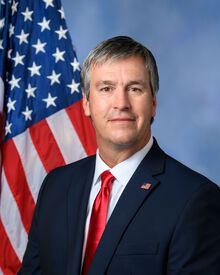

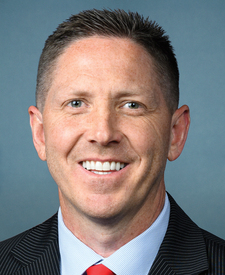
Legislative Progress
In CommitteeMs. Hageman (for herself, Mr. Gill of Texas, Mr. Gosar, …
Referred to the House Committee on the Judiciary.
Introduced in House
Stakeholder Effects
cui bono?How this legislation distributes effects. Mention counts reflect frequency, not effect magnitude.
Schools outside sanctuary jurisdictions, Universities in sanctuary jurisdictions
Positive-direction: Schools outside sanctuary jurisdictions
Negative-direction: Universities in sanctuary jurisdictions
Bill Structure & Actor Mappings
Who is "The Secretary" in each section?
We use a combination of our own taxonomy and classification in addition to large language models to assess meaning and potential beneficiaries. High confidence means strong textual evidence. Always verify with the original bill text.
Learn more about our methodology