To amend the Federal Deposit Insurance Act to modify the amount of reciprocal deposits of an insured depository institution that are not considered to be funds obtained by or through a deposit broker, and for other purposes.
Sponsors
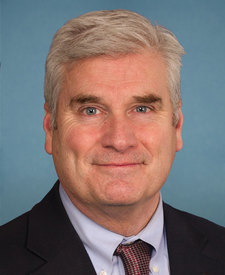


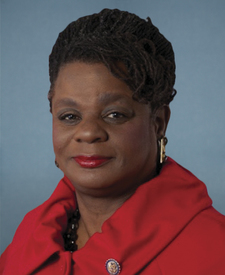

Legislative Progress
ReportedAdditional sponsors: Mr. Barr, Mr. Flood, Mr. Williams of Texas, …
Reported with an amendment, committed to the Committee of the …
Mr. Emmer (for himself, Mrs. Beatty, Mr. Meuser, and Ms. …
Summary
What This Bill Does
Modifies FDIC rules to allow banks to hold more reciprocal deposits without them counting as risky brokered deposits. Creates tiered thresholds based on bank size: 50% for banks under B, 40% for -10B, 30% for -250B.
Who Benefits and How
Community banks and regional banks can use reciprocal deposit networks more freely to manage liquidity without regulatory penalty. Deposit network operators like Intrafi gain expanded market for services.
Who Bears the Burden and How
FDIC may have slightly less oversight of deposit concentration. Taxpayers bear marginally increased risk if reciprocal deposits prove less stable than anticipated.
Key Provisions
- Sets 50% reciprocal deposit limit for banks under billion
- Creates tiered limits declining as bank size increases
- Expands definition of qualifying agent institutions
Evidence Chain:
This summary is derived from the structured analysis below. See "Detailed Analysis" for per-title beneficiaries/burden bearers with clause-level evidence links.
Primary Purpose
Increases the threshold for reciprocal deposits that are not considered brokered deposits
Policy Domains
Legislative Strategy
"Ease brokered deposit restrictions on community banks"
Bill Structure & Actor Mappings
Who is "The Secretary" in each section?
- "corporation"
- → FDIC
We use a combination of our own taxonomy and classification in addition to large language models to assess meaning and potential beneficiaries. High confidence means strong textual evidence. Always verify with the original bill text.
Learn more about our methodology