To improve the management and performance of the capital asset programs of the Department of Veterans Affairs so as to better serve veterans, their families, caregivers, and survivors, and for other purposes.
Analysis under review: This bill has generated analysis that may be too generic or incomplete. Clause-level evidence remains available below.
Summary
What This Bill Does
This bill reforms how the Department of Veterans Affairs (VA) manages its buildings, facilities, and infrastructure. It requires the VA to develop strategic plans for capital asset management, establish performance metrics, improve staffing levels, and submit numerous reports to Congress.
Who Benefits and How
Veterans and their families benefit from improved VA facilities. VA employees benefit from clearer organizational structures. Congressional oversight committees gain extensive new reporting requirements.
Who Bears the Burden and How
The Department of Veterans Affairs faces significant new administrative requirements. VA leadership must designate new lead officials and develop comprehensive workforce plans.
Key Provisions
- Requires VA to hire dedicated capital asset management staff at every medical center
- Creates new performance metrics dashboard to track construction projects
- Mandates climate resilience review of all VA facilities
- Requires reports on long-term care, dental care, and women veterans infrastructure needs
Evidence Chain:
This summary is generated from the full bill text using AI analysis. Expand "Detailed Analysis" below for identified beneficiaries/burden bearers.
At a Glance
What This Bill Does
Improves the management, planning, staffing, and oversight of capital asset programs at the Department of Veterans Affairs to better serve veterans.
Key Policy Areas
Veterans Affairs, Government Operations, Federal Property Management, Healthcare Infrastructure
Primary Purpose
Improves the management, planning, staffing, and oversight of capital asset programs at the Department of Veterans Affairs to better serve veterans.
Policy Domains
Title I - Staffing, Planning, and Execution
Identified Gains
Contextual inference, no direct clause citation- Veterans
- VA employees
- Congressional oversight committees
Contextual inference, no direct clause citation
Identified Costs
Contextual inference, no direct clause citation- Department of Veterans Affairs
- VA leadership
Contextual inference, no direct clause citation
Title II - Improved Planning, Management, Budgeting, and Reporting
Identified Gains
Contextual inference, no direct clause citation- Veterans
- Women veterans
- Veterans requiring long-term care
- Congressional oversight committees
Contextual inference, no direct clause citation
Identified Costs
Contextual inference, no direct clause citation- Department of Veterans Affairs
- VA Inspector General
- Comptroller General
Contextual inference, no direct clause citation
Sponsors
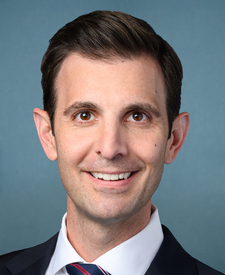
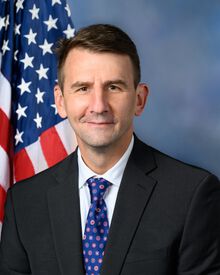
Legislative Progress
IntroducedMr. Deluzio (for himself and Mr. Mrvan) introduced the following …
Stakeholder Effects
cui bono?How this legislation distributes effects. Mention counts reflect frequency, not effect magnitude.
Congressional appropriators, Congressional oversight committees, Department of Health and Human Services
Positive-direction: Congressional appropriators, Congressional oversight committees, VA capital asset management professionals
Negative-direction: Department of Veterans Affairs, Government Accountability Office, VA Inspector General
Native American veterans, Veterans in climate-vulnerable areas, Veterans requiring long-term care
Bill Structure & Actor Mappings
Who is "The Secretary" in each section?
- "the_secretary"
- → Secretary of Veterans Affairs
- "the_deputy_secretary"
- → Deputy Secretary of Veterans Affairs
- "the_secretary"
- → Secretary of Veterans Affairs
- "the_inspector_general"
- → Inspector General of the Department of Veterans Affairs
- "the_comptroller_general"
- → Comptroller General of the United States
Key Definitions
Terms defined in this bill
The Committee on Veterans Affairs and Appropriations of both chambers
Physical infrastructure, land, buildings under VA control including IT systems
We use a combination of our own taxonomy and classification in addition to large language models to assess meaning and potential beneficiaries. High confidence means strong textual evidence. Always verify with the original bill text.
Learn more about our methodology