Artificial Intelligence Literacy and Inclusion Act
Summary
What This Bill Does
The Artificial Intelligence Literacy and Inclusion Act gives NSF grant authority for AI literacy programs run by nonprofits, educational institutions, or consortiums. Grants may build curricula, materials, resources, training for marginalized communities, outreach, evaluation, and best practices. The bill specifically points to communities of color, low-income communities, rural communities, seniors, people with disabilities, and underserved communities. It also requires Labor, Commerce, SBA, and Education to report within one year on AI literacy needs in workforce development, business competitiveness, small businesses and entrepreneurs, K-12 schools, and higher education, including existing awards that could be modified for AI literacy.
Who Benefits and How
AI literacy nonprofits benefit because they can compete for NSF grants to build curricula, training, outreach, and evaluation capacity. Educational institutions benefit because schools, colleges, and consortiums can receive grants for AI literacy materials and programs. Rural communities benefit because the grant priorities explicitly include underserved communities and marginalized groups. Small business owners benefit from SBA reporting focused on AI literacy for competitiveness and entrepreneurship.
Who Bears the Burden and How
NSF grant staff must design, evaluate, award, and monitor the AI literacy grant program. Department of Labor staff must report on AI literacy needs for workforce development. Commerce Department staff must report on business competitiveness needs related to AI literacy. SBA program staff and Education Department staff must identify existing awards, examples, and recommendations for small business and education settings.
Key Provisions
- Authorizes NSF grants for AI literacy curricula, resources, training, outreach, evaluation, and best practices.
- Requires outreach to marginalized, low-income, rural, senior, disabled, and underserved communities.
- Directs Labor, Commerce, SBA, and Education to report on AI literacy needs within one year.
- Requires agencies to identify existing awards that could be modified to support AI literacy.
Evidence Chain:
This summary is generated from the full bill text using AI analysis. Expand "Detailed Analysis" below for identified beneficiaries/burden bearers with clause-level evidence links.
At a Glance
What This Bill Does
Authorizes National Science Foundation AI literacy grants and requires Labor, Commerce, SBA, and Education reports on AI literacy needs for workers, small businesses, entrepreneurs, K-12 schools, and higher education.
Key Policy Areas
Artificial Intelligence, Education, Workforce
Primary Purpose
Authorizes National Science Foundation AI literacy grants and requires Labor, Commerce, SBA, and Education reports on AI literacy needs for workers, small businesses, entrepreneurs, K-12 schools, and higher education.
Policy Domains
Resolution provisions
Identified Gains
- AI literacy nonprofits
- Educational institutions
- Rural communities
- Small business owners
Identified Costs
- NSF grant staff
- Department of Labor staff
- Commerce Department staff
- SBA program staff
Sponsors
Legislative Progress
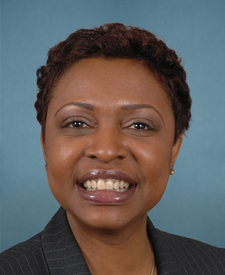
In CommitteeMr. Espaillat (for himself, Mr. Lieu, and Ms. Clarke of …
Referred to the Committee on Science, Space, and Technology, and …
Introduced in House
Stakeholder Effects
cui bono?How this legislation distributes effects. Mention counts reflect frequency, not effect magnitude.
Bill Structure & Actor Mappings
Who is "The Secretary" in each section?
We use a combination of our own taxonomy and classification in addition to large language models to assess meaning and potential beneficiaries. High confidence means strong textual evidence. Always verify with the original bill text.
Learn more about our methodology