To prohibit any official action to recognize or normalize relations with any Government of Syria that is led by Bashar al-Assad, and for other purposes.
Analysis under review: This bill has generated analysis that may be too generic or incomplete. Clause-level evidence remains available below.
Summary
What This Bill Does
The bill provides modifications to the Caesar Syria Civilian Protection Act Section 7412 of the Caesar Syria Civilian Protection Act of 2019 (title LXXIV of the National Defense Authorization Act for Fiscal Year 2020; 22 U.S.C, requires prohibition of recognition of Assad regime It is the policy of the United States— not to recognize or normalize relations with any Government of Syria that is led by Bashar al-Assad due to the Assad regime’s, and creates interagency strategy to counter normalization with Assad regime. It relies on reporting requirements, compliance mandates, definition changes, and appropriations. The main policy areas are Healthcare Consumers, Energy, Foreign Policy, and Healthcare.
Who Benefits and How
Public beneficiaries or protected communities affected by the clause could see lower costs.
Who Bears the Burden and How
Federal, state, or local agencies responsible for implementing the clause would take on compliance duties, Patients and health care consumers affected by the bill would take on compliance duties, and Foreign businesses and cross-border trade participants affected by the bill could lose revenue opportunities.
Key Provisions
- Provides modifications to the Caesar Syria Civilian Protection Act Section 7412 of the Caesar Syria Civilian Protection Act of 2019 (title LXXIV of the National Defense Authorization Act for Fiscal Year 2020; 22 U.S.C.
- Requires prohibition of recognition of Assad regime It is the policy of the United States— not to recognize or normalize relations with any Government of Syria that is led by Bashar al-Assad due to the Assad regime’s...
- Creates interagency strategy to counter normalization with Assad regime.
- Creates reports on manipulation of United Nations by Assad regime in Syria.
Evidence Chain:
This summary is generated from the full bill text using AI analysis. Expand "Detailed Analysis" below for identified beneficiaries/burden bearers with clause-level evidence links.
At a Glance
What This Bill Does
The bill provides modifications to the Caesar Syria Civilian Protection Act Section 7412 of the Caesar Syria Civilian Protection Act of 2019 (title LXXIV of the National Defense Authorization Act for Fiscal Year 2020; 22 U.S.C, requires prohibition of recognition of Assad regime It is the policy of the United States— not to recognize or normalize relations with any Government of Syria that is led by Bashar al-Assad due to the Assad regime’s, and creates interagency strategy to counter normalization with Assad regime.
Key Policy Areas
Healthcare Consumers, Energy, Foreign Policy, Healthcare
Primary Purpose
The bill provides modifications to the Caesar Syria Civilian Protection Act Section 7412 of the Caesar Syria Civilian Protection Act of 2019 (title LXXIV of the National Defense Authorization Act for Fiscal Year 2020; 22 U.S.C, requires prohibition of recognition of Assad regime It is the policy of the United States— not to recognize or normalize relations with any Government of Syria that is led by Bashar al-Assad due to the Assad regime’s, and creates interagency strategy to counter normalization with Assad regime.
Policy Domains
Whole bill
Identified Gains
- Public beneficiaries or protected communities affected by the clause
Identified Costs
- Federal, state, or local agencies responsible for implementing the clause
- Patients and health care consumers affected by the bill
- Foreign businesses and cross-border trade participants affected by the bill
- Natural gas companies and customers affected by the bill
- Energy producers and energy supply-chain firms affected by the bill
Sponsors
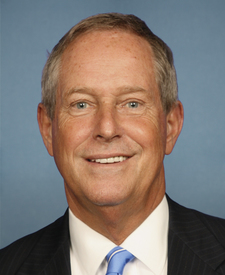
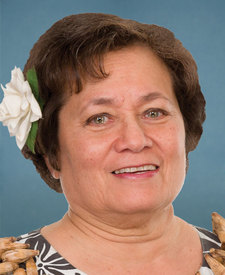
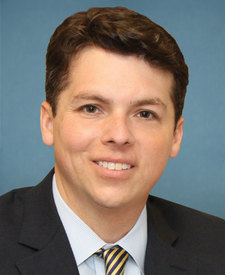
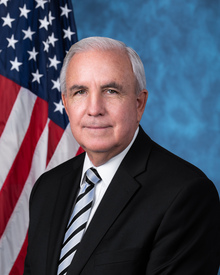
Legislative Progress
IntroducedMr. Wilson of South Carolina (for himself, Mr. Vicente Gonzalez …
Stakeholder Effects
cui bono?How this legislation distributes effects. Mention counts reflect frequency, not effect magnitude.
Law enforcement, justice-system actors, and affected communities
Bill Structure & Actor Mappings
Who is "The Secretary" in each section?
We use a combination of our own taxonomy and classification in addition to large language models to assess meaning and potential beneficiaries. High confidence means strong textual evidence. Always verify with the original bill text.
Learn more about our methodology