Border Safety and Security Act of 2025
Summary
What This Bill Does
The Border Safety and Security Act gives the Secretary of Homeland Security power to prohibit, in whole or in part, entry of covered aliens at an international land or maritime border for as long as the Secretary determines necessary to achieve operational control. It also makes suspension mandatory during any period when DHS cannot detain covered aliens as required under INA section 235(b)(1)(B) or place them in a program consistent with section 235(b)(2)(C), such as return-to-contiguous-territory processing. Covered aliens are people seeking entry who are inadmissible for lacking required documents under INA section 212(a)(7). A state attorney general or other authorized state officer may sue the DHS Secretary in federal district court for injunctive relief when an alleged violation affects the state or its residents. The practical effect is a border-entry shutoff trigger tied to detention capacity, return-program availability, and the Secretary's operational-control determination.
Who Benefits and How
Border-state governments benefit because state attorneys general can seek injunctions to force DHS compliance with the suspension mandate. DHS border officials benefit from explicit statutory authority to pause covered entries when detention or return processing is unavailable. Residents of border communities may benefit if reduced releases lower local service and public-safety pressures. Immigration restriction advocates benefit from a stronger legal mechanism for suspending inadmissible entries.
Who Bears the Burden and How
Covered aliens lacking required entry documents may be barred from entering at land or maritime borders. Asylum seekers and migrants face greater risk of being turned away when DHS lacks detention or return-program capacity. DHS leadership must make operational-control determinations and defend them against state lawsuits. Federal courts must handle state attorney general suits seeking injunctive relief against DHS.
Key Provisions
- Authorizes the DHS Secretary to suspend entry of covered aliens when necessary to achieve operational control.
- Requires suspension when DHS cannot detain covered aliens under INA section 235(b)(1)(B).
- Requires suspension when DHS cannot place covered aliens in a section 235(b)(2)(C)-consistent program.
- Defines covered aliens as people seeking entry who are inadmissible for lacking required documents.
- Allows state attorneys general or authorized state officers to sue DHS for injunctive relief.
Evidence Chain:
This summary is generated from the full bill text using AI analysis. Expand "Detailed Analysis" below for identified beneficiaries/burden bearers with clause-level evidence links.
At a Glance
What This Bill Does
Authorizes and sometimes requires DHS to suspend entry of inadmissible covered aliens at land or maritime borders when needed for operational control or when DHS cannot detain or return them through INA section 235 procedures, with state attorney general enforcement.
Key Policy Areas
Immigration, Border Security, Federalism
Primary Purpose
Authorizes and sometimes requires DHS to suspend entry of inadmissible covered aliens at land or maritime borders when needed for operational control or when DHS cannot detain or return them through INA section 235 procedures, with state attorney general enforcement.
Policy Domains
Resolution provisions
Identified Gains
- Border-state governments
- DHS border officials
- Border community residents
- Immigration restriction advocates
Identified Costs
- Covered aliens
- Asylum seekers
- DHS leadership
- Federal courts
Sponsors




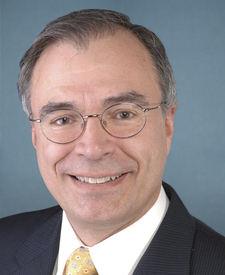
Legislative Progress
In CommitteeMr. Roy (for himself, Ms. Van Duyne, Mr. Stauber, Mr. …
Referred to the Subcommittee on Border Security and Enforcement.
Referred to the Committee on Homeland Security, and in addition …
Introduced in House
Stakeholder Effects
cui bono?How this legislation distributes effects. Mention counts reflect frequency, not effect magnitude.
Asylum seekers, Border community residents, Covered aliens
Border-state governments, DHS leadership
Bill Structure & Actor Mappings
Who is "The Secretary" in each section?
We use a combination of our own taxonomy and classification in addition to large language models to assess meaning and potential beneficiaries. High confidence means strong textual evidence. Always verify with the original bill text.
Learn more about our methodology