SBIR/STTR Reauthorization Act of 2025
Summary
What This Bill Does
The SBIR/STTR Reauthorization Act extends and scales the federal small business research commercialization pipeline. It removes the SBIR sunset, extends the FAST program to September 30, 2030, increases SBIR agency expenditure requirements from 4 percent in fiscal years 2026 and 2027 to 7 percent in fiscal year 2032 and later, and increases STTR percentages from 0.5 percent in fiscal years 2026 and 2027 to 1 percent in fiscal year 2032 and later. Federal agencies may support fellowships and internships for Phase II SBIR or STTR awardees at undergraduate, graduate, and postdoctoral levels, with enhanced outreach to women, socially disadvantaged individuals, and economically disadvantaged individuals. Agencies and SBA must broaden application assistance for low-award states, minority institutions, and Hispanic-serving institutions. Technical and business assistance is improved by letting awardees select vendors or use staff and training, adding cybersecurity, and setting limits of up to 6,500 dollars for Phase I and 50,000 dollars for Phase II projects. The bill improves SBIR/STTR websites, Phase III education, Technology Commercialization Officials, Phase III follow-on policies, administrative and oversight funding, Direct to Phase II authority, annual reports, GAO diversification and commercialization review, award timeliness reporting, an NIH evaluation acceleration pilot, safeguards for small businesses majority-owned by venture capital operating companies, hedge funds, or private equity firms, commercialization impact assessment, and inclusion of SBICs in the programs.
Who Benefits and How
Small business research firms benefit from larger SBIR and STTR set-asides and continued program authority. Phase II award recipients benefit from fellowship, internship, technical assistance, business assistance, cybersecurity, and commercialization support. Women researchers and socially disadvantaged entrepreneurs benefit from required enhanced outreach. Minority institutions and Hispanic-serving institutions benefit from application assistance and outreach requirements. SBIC-backed small businesses benefit because SBICs are included in SBIR and STTR participation rules. NIH research applicants benefit from the pilot program to accelerate National Institutes of Health evaluation.
Who Bears the Burden and How
Federal agency SBIR program managers must raise set-asides, run fellowships, update websites, educate staff on Phase III awards, and manage commercialization officials. SBA technology program staff must update policy directives, oversee outreach, collect reports, and administer expanded authorities. GAO analysts must review diversification, commercialization, and related program performance. NIH evaluation staff must operate the accelerated evaluation pilot. Venture-backed award applicants must comply with codified safeguards for VC, hedge fund, and private equity majority ownership.
Key Provisions
- Extends SBIR and STTR authorities and FAST through 2030 while raising agency expenditure percentages through fiscal year 2032.
- Creates fellowships and internships for Phase II awardees with outreach to women and disadvantaged participants.
- Expands application assistance for low-award states, minority institutions, and Hispanic-serving institutions.
- Improves technical and business assistance, including cybersecurity and up to 6,500 dollars for Phase I and 50,000 dollars for Phase II.
- Strengthens Phase III education, Technology Commercialization Officials, Direct to Phase II, annual reports, GAO review, NIH acceleration, ownership safeguards, commercialization assessment, and SBIC participation.
Evidence Chain:
This summary is generated from the full bill text using AI analysis. Expand "Detailed Analysis" below for identified beneficiaries/burden bearers with clause-level evidence links.
At a Glance
What This Bill Does
Reauthorizes and expands SBIR and STTR by raising agency set-asides through 2032, adding fellowships and application assistance, improving technical and business assistance, strengthening Phase III commercialization, expanding Direct to Phase II, and adding reports, NIH acceleration, VC safeguards, commercialization assessment, and SBIC participation.
Key Policy Areas
Small Business, Research, Innovation
Primary Purpose
Reauthorizes and expands SBIR and STTR by raising agency set-asides through 2032, adding fellowships and application assistance, improving technical and business assistance, strengthening Phase III commercialization, expanding Direct to Phase II, and adding reports, NIH acceleration, VC safeguards, commercialization assessment, and SBIC participation.
Policy Domains
Resolution provisions
Identified Gains
- Small business research firms
- Phase II award recipients
- Women researchers
- Minority institution researchers
- SBIC-backed small businesses
- NIH research applicants
Identified Costs
- Federal agency SBIR managers
- SBA technology program staff
- GAO analysts
- NIH evaluation staff
- Venture-backed award applicants
Sponsors
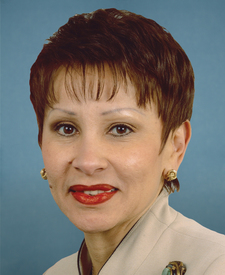
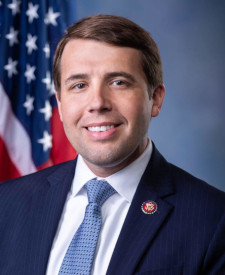
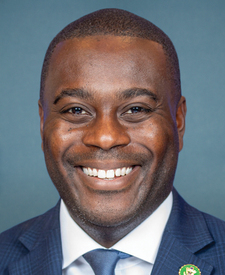
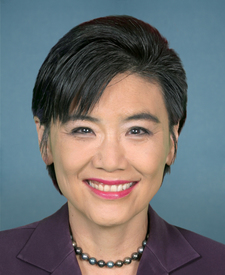
Legislative Progress
In CommitteeMs. Velázquez introduced the following bill; which was referred to …
Referred to the Committee on Small Business, and in addition …
Introduced in House
Stakeholder Effects
cui bono?How this legislation distributes effects. Mention counts reflect frequency, not effect magnitude.
Phase II award recipients, SBIC-backed small businesses, Small business research firms
Positive-direction: Phase II award recipients, Small business research firms
Negative-direction: Venture-backed award applicants
Federal agency SBIR managers, GAO analysts, NIH evaluation staff
NIH research applicants, Women researchers
Bill Structure & Actor Mappings
Who is "The Secretary" in each section?
We use a combination of our own taxonomy and classification in addition to large language models to assess meaning and potential beneficiaries. High confidence means strong textual evidence. Always verify with the original bill text.
Learn more about our methodology