Affordable and Safe Prescription Drug Importation Act of 2025
Summary
What This Bill Does
The Affordable and Safe Prescription Drug Importation Act targets U.S. drug prices by allowing safe importation of lower-priced prescription drugs. It creates section 804 rules for importers, certified foreign sellers, licensed foreign pharmacies, foreign wholesale distributors, and individuals. Qualifying drugs must be approved and marketed in Canada, the United Kingdom, an EU member state, Switzerland, or another permitted country, have the same active ingredient, route of administration, and strength as a U.S.-approved drug or biosimilar, and meet labeling rules including English labeling. The bill includes certain higher-risk drugs for importers such as insulin, peritoneal dialysis solution, REMS drugs, specified biological products, and intravenously infused drugs, while excluding controlled substances, inhaled surgical anesthetics, and compounded drugs. FDA must publish certified foreign sellers, certify foreign pharmacies and wholesalers, collect fees sized to program costs, allow individuals to import up to a 90-day personal-use supply with a valid U.S. prescription, permit expansion to other countries after safety review, deem compliant labels not misbranded, approve laboratories for random chemical-authenticity testing, and enforce bans on manufacturers charging higher prices to certified foreign sellers, restricting supplies, refusing business, or creating formulation differences to block U.S. importation.
Who Benefits and How
Patients with high prescription drug costs benefit because they can import up to a 90-day supply from certified foreign pharmacies with valid prescriptions. Retail pharmacies benefit because registered dispensers can import qualifying drugs through certified foreign sellers. Wholesale distributors benefit from a legal importation pathway for qualifying prescription drugs. Certified foreign pharmacies benefit from access to U.S. customers if they meet FDA certification, quality, recall, and grievance rules. Employers and health plans may benefit if imported drugs reduce plan spending on covered medicines.
Who Bears the Burden and How
FDA importation staff must certify foreign sellers, run the public website, collect fees, approve laboratories, monitor recalls, and enforce safety rules. Drug manufacturers are barred from discriminating against certified foreign sellers through higher prices, supply restrictions, refusals, or product differences. Importers must register, comply with labeling and authenticity rules, and use qualifying foreign sellers. Licensed foreign pharmacies must validate prescriptions, maintain compliance systems, support quality assurance, report recalls, and resolve grievances. U.S. pharmacies and wholesalers that do not import may face price competition from imported alternatives.
Key Provisions
- Authorizes importation of qualifying prescription drugs from Canada, the United Kingdom, EU member states, Switzerland, and later other permitted countries.
- Defines importers, certified foreign sellers, licensed foreign pharmacies, qualifying drugs, and valid prescriptions.
- Allows individuals to import up to a 90-day personal-use supply with a valid U.S. prescription.
- Requires FDA seller certification, public listings, fees, recall notices, grievance processes, and random laboratory testing.
- Prohibits manufacturer discrimination against certified foreign sellers that supply U.S. importation.
Evidence Chain:
This summary is generated from the full bill text using AI analysis. Expand "Detailed Analysis" below for identified beneficiaries/burden bearers with clause-level evidence links.
At a Glance
What This Bill Does
Creates a federal pathway for wholesale distributors, pharmacies, and individuals to import qualifying prescription drugs from Canada, the United Kingdom, EU member states, Switzerland, and later other safe countries, with FDA certification, testing, labeling, anti-discrimination, and personal-use rules.
Key Policy Areas
Prescription Drugs, Health Care, Consumer Costs
Primary Purpose
Creates a federal pathway for wholesale distributors, pharmacies, and individuals to import qualifying prescription drugs from Canada, the United Kingdom, EU member states, Switzerland, and later other safe countries, with FDA certification, testing, labeling, anti-discrimination, and personal-use rules.
Policy Domains
Resolution provisions
Identified Gains
- Patients with high prescription drug costs
- Retail pharmacies
- Wholesale distributors
- Certified foreign pharmacies
- Employers sponsoring health plans
Identified Costs
- FDA importation staff
- Drug manufacturers
- Importers
- Licensed foreign pharmacies
- Nonimporting pharmacies
Sponsors

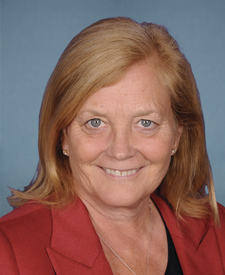

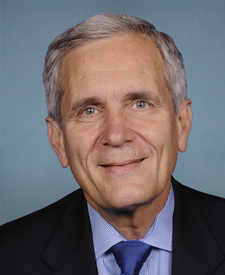
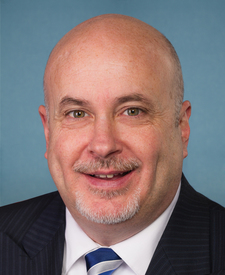
Legislative Progress
In CommitteeMs. Schakowsky (for herself, Mr. Cohen, Mr. Doggett, Ms. Omar, …
Referred to the House Committee on Energy and Commerce.
Introduced in House
Stakeholder Effects
cui bono?How this legislation distributes effects. Mention counts reflect frequency, not effect magnitude.
Certified foreign pharmacies, Licensed foreign pharmacies, Retail pharmacies
Positive-direction: Certified foreign pharmacies, Retail pharmacies
Negative-direction: Licensed foreign pharmacies
Drug manufacturers, Patients with high prescription drug costs
Positive-direction: Patients with high prescription drug costs
Negative-direction: Drug manufacturers
Importers, Wholesale distributors
Positive-direction: Wholesale distributors
Negative-direction: Importers
Bill Structure & Actor Mappings
Who is "The Secretary" in each section?
We use a combination of our own taxonomy and classification in addition to large language models to assess meaning and potential beneficiaries. High confidence means strong textual evidence. Always verify with the original bill text.
Learn more about our methodology