SHIPS for America Act of 2025
Summary
What This Bill Does
The SHIPS for America Act is a sweeping maritime industrial-policy bill. Its findings say U.S.-flag vessels carry less than 2 percent of U.S. international commercial cargo by weight; the United States has fewer than 200 oceangoing U.S. vessels and only about 80 in international commerce; China has more than 5,500 documented vessels, over 1,700 shipbuilding orders, and 230 times U.S. shipbuilding capacity; the United States has about 12,000 merchant mariners; and U.S. infrastructure backlogs include 163 billion dollars for ports. The bill creates a Maritime Security Advisor and Maritime Security Board, strengthens maritime advisory and direct-hire authority, requires an implementation plan and FMC reporting on U.S. vessels, establishes a Maritime Security Trust Fund, adjusts tonnage tax and presidential suspension rules, creates sealift objectives and prioritization, adds foreign shipping practices and controlled-carrier oversight, establishes a Strategic Commercial Fleet with operating agreements, payments, and national security requirements, tests fleet readiness, assesses undersea cable repair contingencies, clarifies cargo-preference authority, audits cargo preference, finances agricultural and other cargo transport, phases in requirements for imports from China on American ships, prioritizes U.S. vessels, creates a Ship America Office, authorizes alternate standards and regulatory review, adds shipbuilding financial incentives, expands small shipyard assistance and Title XI financing, updates construction reserve and capital construction funds, streamlines environmental review, assesses Navy and Military Sealift Command shipbuilding practices, creates a U.S. Center for Maritime Innovation and National Shipbuilding Research Program, adds public service loan forgiveness, GI Bill-style educational assistance, spouse relicensing reimbursement, noncompetitive federal employment, merchant mariner career retention, workforce promotion, centers of excellence, data collection, transition pipelines, academy modernization, sea-term scholarships, credentialing modernization, and inspection reforms, and creates vessel and shipyard investment credits plus maritime security payment exclusions and fuel-tax parity. The overall mechanism is long-term federal demand, finance, tax, procurement, cargo, workforce, and regulatory support for a larger U.S.-built, U.S.-crewed, U.S.-flag maritime fleet.
Who Benefits and How
U.S.-flag maritime service providers benefit from strategic fleet operating agreements, cargo preference, import-on-American-ship requirements, payment exclusions, and tonnage-tax changes. Domestic shipyard workers benefit from shipbuilding financial incentives, small shipyard grants, Title XI loan guarantees, vessel investment credits, and shipyard facility credits. Merchant marine workers benefit from loan forgiveness, education benefits, credentialing modernization, career retention programs, and maritime workforce promotion. State maritime academy students and the U.S. Merchant Marine Academy benefit from modernization, fuel funding, sea-term scholarships, and service-obligation reforms. The Department of Defense and Military Sealift Command benefit from expanded strategic sealift capacity and commercial maritime readiness. U.S. exporters and importers may benefit from more resilient domestic maritime capacity and reduced reliance on foreign-controlled shipping during crises.
Who Bears the Burden and How
Maritime Administration staff must run the board, strategic fleet, Ship America Office, cargo-preference oversight, shipbuilding incentives, workforce programs, and reporting. U.S. Coast Guard credentialing staff must update mariner credentialing, training, inspection, and regulatory standards. Federal Maritime Commission staff must report on U.S. vessels and oversee foreign shipping practices and controlled carriers. Chinese-goods importing companies must shift rising covered percentages of tonnage onto American ships. Foreign shipping operators and controlled carriers face greater U.S. scrutiny, cargo preference, and competitive pressure. Federal appropriators and Treasury accounts bear the cost of grants, payments, loan guarantees, academy funding, exclusions, and tax credits.
Key Provisions
- Creates a Maritime Security Advisor, Maritime Security Board, implementation plan, and Maritime Security Trust Fund.
- Establishes strategic sealift objectives, a Strategic Commercial Fleet, operating agreements, payments, and national security requirements.
- Strengthens cargo preference, agricultural cargo financing, U.S.-vessel priority, importation from China on American ships, and the Ship America Office.
- Authorizes shipbuilding financial incentives, small shipyard assistance, Title XI financing, construction reserve and capital construction fund changes, environmental review streamlining, and maritime innovation programs.
- Expands maritime workforce benefits including PSLF, education assistance, spouse relicensing support, noncompetitive federal employment, recruitment, credentialing modernization, and academy support.
- Creates vessel and shipyard investment tax credits, maritime security payment exclusions, maritime fuel tax parity, and maritime prosperity zone opportunity-zone treatment.
Evidence Chain:
This summary is generated from the full bill text using AI analysis. Expand "Detailed Analysis" below for identified beneficiaries/burden bearers with clause-level evidence links.
At a Glance
What This Bill Does
Creates a whole-of-government maritime industrial strategy that expands U.S.-flag shipping, strategic sealift, shipbuilding finance, cargo preference, maritime workforce benefits, academy modernization, and vessel and shipyard tax incentives to compete with China and rebuild domestic maritime capacity.
Key Policy Areas
Maritime, National Security, Transportation, Tax
Primary Purpose
Creates a whole-of-government maritime industrial strategy that expands U.S.-flag shipping, strategic sealift, shipbuilding finance, cargo preference, maritime workforce benefits, academy modernization, and vessel and shipyard tax incentives to compete with China and rebuild domestic maritime capacity.
Policy Domains
Resolution provisions
Identified Gains
- U.S.-flag maritime service providers
- Domestic shipyard workers
- Merchant marine workers
- State maritime academy students
- Military Sealift Command staff
- U.S. export contractors
Identified Costs
- Maritime Administration staff
- Coast Guard credentialing staff
- Federal Maritime Commission staff
- Chinese-goods importing companies
- Foreign shipping providers
- Federal appropriations staff
Sponsors
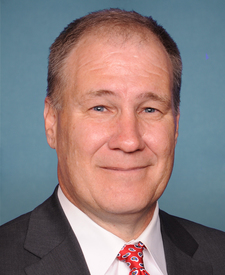


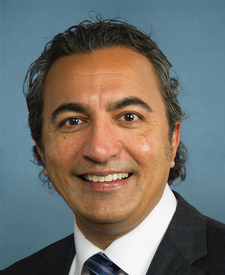

Legislative Progress
In CommitteeMr. Kelly of Mississippi (for himself, Mr. Garamendi, Mr. Wittman, …
Referred to the Subcommittee on Coast Guard and Maritime Transportation.
Referred to the Committee on Armed Services, and in addition …
Introduced in House
Stakeholder Effects
cui bono?How this legislation distributes effects. Mention counts reflect frequency, not effect magnitude.
Foreign shipping providers, Merchant marine workers, U.S.-flag maritime service providers
Coast Guard credentialing staff, Federal Maritime Commission staff, Maritime Administration staff
Chinese-goods importing companies, U.S. export contractors
Bill Structure & Actor Mappings
Who is "The Secretary" in each section?
We use a combination of our own taxonomy and classification in addition to large language models to assess meaning and potential beneficiaries. High confidence means strong textual evidence. Always verify with the original bill text.
Learn more about our methodology