Honoring our K9 Heroes Act
Summary
What This Bill Does
The Honoring our K9 Heroes Act adds a new section 2010 to the Homeland Security Act. The Secretary of Homeland Security must establish a grant program allowing eligible nonprofit organizations to enter agreements with DHS to cover a portion of medical care expenses for retired federal working dogs. Eligible grantees must be 501(c)(3) tax-exempt organizations, provide medical-care assistance for retired federal law enforcement and military working dogs, and have at least a two-year history of that assistance before applying. A covered retired federal working dog must have a retirement letter from the federal department or agency that employed the dog and must be in the care of its handler. The bill authorizes 1 million dollars for each of fiscal years 2026 through 2030.
Who Benefits and How
Retired federal working dogs benefit because medical expenses can be partially covered after government service. Handlers caring for retired federal working dogs benefit from grant-supported relief for veterinary bills. Nonprofit organizations that already help retired law enforcement and military working dogs benefit from a new DHS grant source. Federal law enforcement units benefit indirectly because handlers may be more willing to adopt retired working dogs if medical support exists.
Who Bears the Burden and How
DHS grant administrators must create the program, review applications, sign agreements, and monitor eligible nonprofits. Eligible nonprofits must document tax-exempt status, two years of relevant assistance history, applications, and use of funds. Federal agencies retiring working dogs must provide retirement letters for eligibility documentation. Federal appropriators bear the 1 million dollar annual authorization through fiscal year 2030.
Key Provisions
- Creates DHS grants to cover part of retired federal working dog medical care.
- Limits grantees to 501(c)(3) organizations with at least two years of assistance history.
- Requires eligible retired working dogs to have agency retirement letters and be in handler care.
- Authorizes 1 million dollars for each of fiscal years 2026 through 2030.
Evidence Chain:
This summary is generated from the full bill text using AI analysis. Expand "Detailed Analysis" below for identified beneficiaries/burden bearers with clause-level evidence links.
At a Glance
What This Bill Does
Creates a DHS homeland security grant program providing 501(c)(3) organizations up to 1 million dollars per year from fiscal years 2026 through 2030 to help cover medical care expenses for retired federal working dogs in their handlers' care.
Key Policy Areas
Homeland Security, Veterinary Care, Grants
Primary Purpose
Creates a DHS homeland security grant program providing 501(c)(3) organizations up to 1 million dollars per year from fiscal years 2026 through 2030 to help cover medical care expenses for retired federal working dogs in their handlers' care.
Policy Domains
Resolution provisions
Identified Gains
- Retired federal working dogs
- Working dog handlers
- Veterinary assistance nonprofits
- Federal law enforcement units
Identified Costs
- DHS grant administrators
- Eligible nonprofits
- Federal working-dog agencies
- Federal appropriators
Sponsors


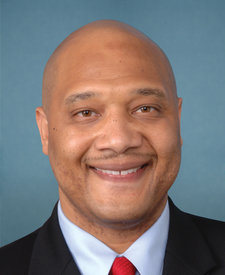


Legislative Progress
In CommitteeMr. Fitzpatrick (for himself and Mr. Quigley) introduced the following …
Referred to the House Committee on Oversight and Government Reform.
Introduced in House
Stakeholder Effects
cui bono?How this legislation distributes effects. Mention counts reflect frequency, not effect magnitude.
Federal working-dog agencies, Working dog handlers
Positive-direction: Working dog handlers
Negative-direction: Federal working-dog agencies
Eligible nonprofits, Veterinary assistance nonprofits
Positive-direction: Veterinary assistance nonprofits
Negative-direction: Eligible nonprofits
Bill Structure & Actor Mappings
Who is "The Secretary" in each section?
We use a combination of our own taxonomy and classification in addition to large language models to assess meaning and potential beneficiaries. High confidence means strong textual evidence. Always verify with the original bill text.
Learn more about our methodology