Stop Subsidizing Multimillion Dollar Corporate Bonuses Act
Summary
What This Bill Does
The Stop Subsidizing Multimillion Dollar Corporate Bonuses Act broadens the corporate compensation deduction limit in section 162(m). It replaces the narrower covered employee framework with covered individual, covering any individual who directly or indirectly performs services for the taxpayer or predecessor for taxable years beginning after December 31, 2020, plus specified pre-2021 executive officers and highly compensated officers whose compensation was required to be reported to shareholders. It also reaches companies that were required to file reports under Securities Exchange Act section 15(d) during the three-taxable-year period ending with the taxable year. Treasury may issue reporting and anti-avoidance regulations, including rules to prevent compensation from being routed through pass-through or other entities. The amendments apply to taxable years beginning after December 31, 2024.
Who Benefits and How
Federal taxpayers benefit because more excessive corporate compensation becomes nondeductible, increasing taxable income. Executive-pay reform advocates benefit because the bill reduces tax support for multimillion-dollar compensation packages. Shareholders benefit if companies face stronger tax incentives to control high compensation arrangements. Treasury tax administrators benefit from explicit authority to issue anti-avoidance rules.
Who Bears the Burden and How
Public companies subject to section 162(m) must track a broader group of covered individuals and lose deductions for more compensation. Corporate executives and other highly paid service providers may face changed compensation design as employers lose tax deductions. Corporate tax departments must update reporting, deduction calculations, and pass-through compensation structures. Treasury and IRS staff must write guidance and enforce anti-avoidance rules.
Key Provisions
- Expands section 162(m) from covered employees to covered individuals performing direct or indirect services.
- Includes certain pre-2021 CEOs, CFOs, acting officers, and top-compensated shareholder-reported officers.
- Applies to companies required to file section 15(d) reports during the relevant three-year period.
- Authorizes Treasury regulations for reporting and anti-avoidance, including pass-through compensation.
- Applies to taxable years beginning after December 31, 2024.
Evidence Chain:
This summary is generated from the full bill text using AI analysis. Expand "Detailed Analysis" below for identified beneficiaries/burden bearers with clause-level evidence links.
At a Glance
What This Bill Does
Expands the Internal Revenue Code section 162(m) limit on deducting excessive remuneration so covered corporations cannot deduct compensation above the cap for any individual performing services after 2020, with anti-avoidance rules for pass-through or other entities.
Key Policy Areas
Tax, Corporate Governance, Executive Compensation
Primary Purpose
Expands the Internal Revenue Code section 162(m) limit on deducting excessive remuneration so covered corporations cannot deduct compensation above the cap for any individual performing services after 2020, with anti-avoidance rules for pass-through or other entities.
Policy Domains
Resolution provisions
Identified Gains
- Federal taxpayers
- Executive-pay reform advocates
- Shareholders
- Treasury tax administrators
Identified Costs
- Public companies
- Corporate executives
- Corporate tax departments
- IRS guidance staff
Sponsors
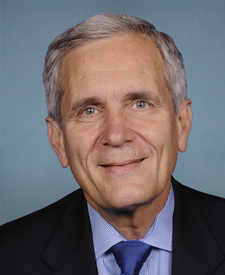

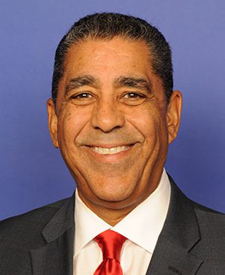


Legislative Progress
In CommitteeMr. Doggett (for himself, Mr. Casar, Ms. Chu, Mr. Cohen, …
Referred to the House Committee on Ways and Means.
Introduced in House
Stakeholder Effects
cui bono?How this legislation distributes effects. Mention counts reflect frequency, not effect magnitude.
Public companies, Taxpayers
Positive-direction: Taxpayers
Negative-direction: Public companies
Corporate executives, Executive-pay reform advocates
Bill Structure & Actor Mappings
Who is "The Secretary" in each section?
We use a combination of our own taxonomy and classification in addition to large language models to assess meaning and potential beneficiaries. High confidence means strong textual evidence. Always verify with the original bill text.
Learn more about our methodology