Police Officers Protecting Children Act
Summary
What This Bill Does
The Police Officers Protecting Children Act amends the federal Gun-Free School Zones Act in 18 U.S.C. 922(q). It adds exceptions for qualified law enforcement officers and qualified retired law enforcement officers, as defined in sections 926B and 926C, who are authorized to carry concealed firearms. The possession exception requires the firearm to be concealed. The discharge exception also covers qualified active and retired officers authorized under those definitions. The bill does not require schools to arm officers or change state licensing systems; it removes a federal school-zone barrier for active and retired officers already covered by federal concealed-carry qualification rules.
Who Benefits and How
Qualified active law enforcement officers benefit because federal school-zone restrictions would no longer bar concealed carry when they meet section 926B standards. Qualified retired law enforcement officers benefit because the bill extends the same school-zone carry and discharge exceptions to section 926C retirees. School communities may benefit if trained active or retired officers can respond quickly to violent threats in a school zone. Law enforcement associations benefit from clearer federal treatment of LEOSA-qualified officers around schools.
Who Bears the Burden and How
Federal prosecutors must apply a broader set of exceptions before charging school-zone firearm possession or discharge. School administrators may need to account for qualified active and retired officers who can lawfully carry concealed firearms on or near school property under federal law. Gun violence prevention advocates bear policy risk because the bill expands firearm presence exceptions in school zones. State and local law enforcement credentialing offices must keep qualification records accurate for active and retired officers.
Key Provisions
- Amends 18 U.S.C. 922(q) school-zone firearm possession exceptions.
- Adds qualified law enforcement officers authorized under section 926B when the firearm is concealed.
- Adds qualified retired law enforcement officers authorized under section 926C when the firearm is concealed.
- Adds matching school-zone discharge exceptions for qualified active and retired law enforcement officers.
Evidence Chain:
This summary is generated from the full bill text using AI analysis. Expand "Detailed Analysis" below for identified beneficiaries/burden bearers with clause-level evidence links.
At a Glance
What This Bill Does
Adds qualified active and retired law enforcement officers to the federal school-zone firearm exceptions, allowing concealed carry and firearm discharge in school zones when they are authorized under LEOSA-style standards.
Key Policy Areas
Public Safety, Firearms, Law Enforcement
Primary Purpose
Adds qualified active and retired law enforcement officers to the federal school-zone firearm exceptions, allowing concealed carry and firearm discharge in school zones when they are authorized under LEOSA-style standards.
Policy Domains
Resolution provisions
Identified Gains
- Qualified active law enforcement officers
- Qualified retired law enforcement officers
- School communities
- Law enforcement associations
Identified Costs
- Federal prosecutors
- School administrators
- Gun violence prevention advocates
- Law enforcement credentialing offices
Sponsors

Legislative Progress
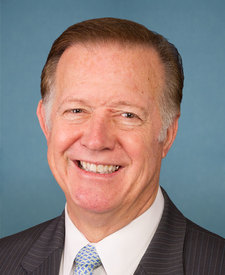
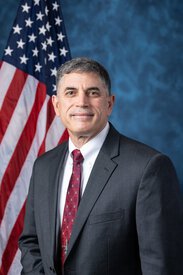
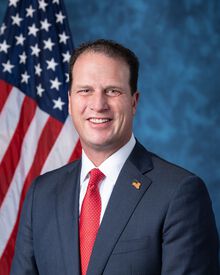
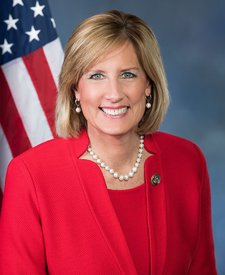
In CommitteeMr. Weber of Texas (for himself, Mr. Pfluger, Mr. Bacon, …
Referred to the House Committee on the Judiciary.
Introduced in House
Stakeholder Effects
cui bono?How this legislation distributes effects. Mention counts reflect frequency, not effect magnitude.
Law enforcement associations, Qualified active law enforcement officers, Qualified retired law enforcement officers
School administrators, School communities
Bill Structure & Actor Mappings
Who is "The Secretary" in each section?
We use a combination of our own taxonomy and classification in addition to large language models to assess meaning and potential beneficiaries. High confidence means strong textual evidence. Always verify with the original bill text.
Learn more about our methodology