Improving Diaper Affordability Act of 2025
Summary
What This Bill Does
The Improving Diaper Affordability Act uses both federal tax rules and state-tax preemption to reduce diaper costs. The findings describe diaper need as a health, hygiene, work, and family-security problem: 46 percent of families with children age four or below struggle to provide enough diapers; low-income families are two-thirds of families with diaper need; annual diaper costs run from 945 to 1,500 dollars for a child under age four; and parents with diaper need report missing work or school because they lack enough diapers for childcare. The bill treats amounts paid for diapers as medical care for Health Savings Accounts, Archer MSAs, employer health reimbursement rules, and related coverage coordination, includes diaper expenses as dependent-care assistance, applies those changes after December 31, 2024, and bars states or local governments from imposing retail sales and use taxes on diapers.
Who Benefits and How
Families buying diapers benefit because diapers become eligible for reimbursement through tax-preferred medical and dependent-care accounts. Low-income parents with diaper need benefit if tax and sales-tax relief reduce the cash cost of keeping children clean and eligible for childcare. Babies and toddlers benefit indirectly because improved diaper access lowers risks of rash, dermatitis, infection, and hospitalization identified in the findings. Employers offering FSAs, HRAs, HSAs, or dependent-care assistance benefit from clearer federal rules allowing diaper reimbursement. Diaper retailers benefit if tax relief increases household purchasing ability.
Who Bears the Burden and How
IRS guidance staff must update medical-care, dependent-care, HSA, Archer MSA, FSA, and HRA guidance for diaper expenses. State revenue departments and local tax authorities must stop imposing retail sales and use taxes on diapers. Benefits administrators must update eligible-expense systems and substantiation rules. State and local governments lose sales-tax revenue from diaper purchases.
Key Provisions
- Provides that diaper expenses are treated as medical care for federal tax-preferred health account purposes.
- Adds diaper expenses to dependent-care assistance rules.
- Coordinates HSA eligibility with FSA or HRA diaper reimbursements.
- Prohibits states and local governments from imposing retail sales and use taxes on diapers.
- Applies the main reimbursement changes to amounts paid or expenses incurred after December 31, 2024.
Evidence Chain:
This summary is generated from the full bill text using AI analysis. Expand "Detailed Analysis" below for identified beneficiaries/burden bearers with clause-level evidence links.
At a Glance
What This Bill Does
Makes diapers reimbursable through tax-preferred health and dependent-care accounts and prohibits state and local retail sales and use taxes on diaper purchases.
Key Policy Areas
Tax, Child Welfare, Consumer Costs
Primary Purpose
Makes diapers reimbursable through tax-preferred health and dependent-care accounts and prohibits state and local retail sales and use taxes on diaper purchases.
Policy Domains
Resolution provisions
Identified Gains
- Families buying diapers
- Low-income parents
- Babies and toddlers
- Benefits administrators
- Diaper retailers
Identified Costs
- IRS guidance staff
- State revenue departments
- Local tax authorities
- State governments
- Local governments
Sponsors


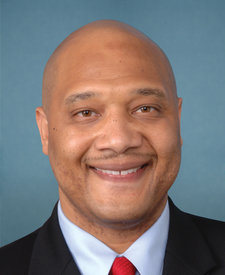


Legislative Progress
In CommitteeMrs. Watson Coleman (for herself, Ms. DeLauro, Ms. Norton, Ms. …
Referred to the Committee on Ways and Means, and in …
Introduced in House
Stakeholder Effects
cui bono?How this legislation distributes effects. Mention counts reflect frequency, not effect magnitude.
IRS guidance staff, Local tax authorities, State revenue departments
Bill Structure & Actor Mappings
Who is "The Secretary" in each section?
We use a combination of our own taxonomy and classification in addition to large language models to assess meaning and potential beneficiaries. High confidence means strong textual evidence. Always verify with the original bill text.
Learn more about our methodology