Better CARE for Animals Act of 2025
Summary
What This Bill Does
The Better CARE for Animals Act strengthens enforcement of the Animal Welfare Act. It updates definitions and licensing language, rewrites section 4 so no dealer or exhibitor may exhibit, purchase, sell, transport, or offer animals in commerce without a valid unsuspended USDA license, and clarifies that federal courts and the Attorney General can enforce not only the Act but rules, standards, and regulations issued under it. Penalties and fines received by USDA or DOJ for violations must be used to pay reasonable and necessary costs incurred by people providing temporary care for animals pending civil or criminal proceedings. New section 20 authorizes the Attorney General to bring civil actions in district court for temporary restraining orders, preliminary or permanent injunctions including animal removal or relocation, license revocation, and civil penalties up to 10,000 dollars per violation per day. Animals subjected to violations are subject to seizure and forfeiture to the United States, violators can be charged reasonable transfer and care costs, and federal judges or magistrate judges may issue warrants and other enforcement process on probable cause. DOJ enforcement does not limit USDA authority, and USDA action does not limit DOJ authority. The bill adds severability and requires USDA and DOJ to enter a memorandum of understanding within 180 days, including timely information sharing about violators with multiple citations that seriously or adversely affect animal health or well-being.
Who Benefits and How
Animals held by violating dealers or exhibitors benefit from stronger seizure, forfeiture, removal, relocation, and temporary-care funding tools. Animal welfare organizations benefit because penalties and fines can fund reasonable temporary animal care costs during proceedings. USDA animal welfare inspectors benefit from clearer coordination with DOJ and stronger enforcement backstops. DOJ civil enforcement attorneys benefit from explicit authority to seek injunctions, license revocation, penalties, and forfeiture. Federal courts benefit from clarified jurisdiction over Animal Welfare Act rules, standards, and regulations.
Who Bears the Burden and How
Animal dealers and exhibitors face stricter license requirements and risk injunctions, revocation, forfeiture, and daily civil penalties. Violators responsible for seized animals may be charged reasonable transfer and care costs. USDA must share timely information with DOJ about serious repeat violators and enter an MOU within 180 days. DOJ must litigate civil enforcement cases and coordinate with USDA without displacing USDA enforcement.
Key Provisions
- Requires dealers and exhibitors to have valid unsuspended USDA licenses for covered animal commerce.
- Authorizes Attorney General civil actions for injunctions, license revocation, and daily civil penalties up to 10,000 dollars.
- Provides seizure and forfeiture authority for animals subjected to violations.
- Uses collected penalties and fines to pay reasonable temporary animal-care costs.
- Requires USDA and DOJ to sign a 180-day memorandum of understanding on enforcement information sharing.
Evidence Chain:
This summary is generated from the full bill text using AI analysis. Expand "Detailed Analysis" below for identified beneficiaries/burden bearers with clause-level evidence links.
At a Glance
What This Bill Does
Strengthens Animal Welfare Act enforcement by expanding licensing language, authorizing Attorney General civil actions, injunctions, license revocation, daily civil penalties up to 10,000 dollars, animal seizure and forfeiture, care-cost recovery, warrants, and USDA-DOJ information sharing.
Key Policy Areas
Animal Welfare, Enforcement, Agriculture
Primary Purpose
Strengthens Animal Welfare Act enforcement by expanding licensing language, authorizing Attorney General civil actions, injunctions, license revocation, daily civil penalties up to 10,000 dollars, animal seizure and forfeiture, care-cost recovery, warrants, and USDA-DOJ information sharing.
Policy Domains
Resolution provisions
Identified Gains
- Animals held by violating dealers
- Animal welfare organizations
- USDA animal welfare inspectors
- DOJ civil enforcement attorneys
- Federal courts
Identified Costs
- Animal dealers
- Animal exhibitors
- Violators responsible for seized animals
- USDA
- DOJ
Sponsors

Legislative Progress
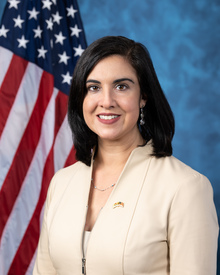
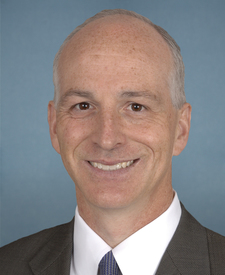
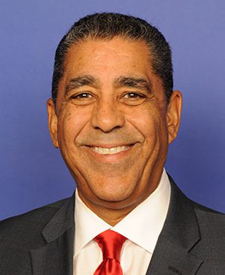
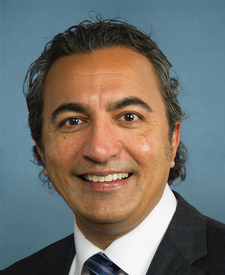
In CommitteeMs. Malliotakis (for herself, Mr. Quigley, Mr. Reschenthaler, and Ms. …
Referred to the House Committee on Agriculture.
Introduced in House
Stakeholder Effects
cui bono?How this legislation distributes effects. Mention counts reflect frequency, not effect magnitude.
DOJ, DOJ civil enforcement attorneys, USDA
Positive-direction: DOJ civil enforcement attorneys, USDA animal welfare inspectors
Negative-direction: DOJ, USDA
Animal welfare organizations, Animals held by violating dealers, Violators responsible for seized animals
Positive-direction: Animal welfare organizations, Animals held by violating dealers
Negative-direction: Violators responsible for seized animals
Bill Structure & Actor Mappings
Who is "The Secretary" in each section?
We use a combination of our own taxonomy and classification in addition to large language models to assess meaning and potential beneficiaries. High confidence means strong textual evidence. Always verify with the original bill text.
Learn more about our methodology