To enhance military recruitment by improving access to student directory information, enabling the military to inform prospective applicants about service options and the benefits of military service, such as competitive pay, education, and valuable experience, which is crucial for meeting National Security Strategy requirements and supporting combatant commander demand.
Analysis under review: This bill has generated analysis that may be too generic or incomplete. Clause-level evidence remains available below.
Summary
What This Bill Does
The SERVE Act (Service Enlistment and Recruitment of Valuable Engagement Act) addresses the military's recruitment crisis by mandating greater access for military recruiters to high schools, expanding the JROTC program, creating recognition programs for schools with high enlistment rates, giving academy admission priority to graduates of those schools, and establishing a National Week of Military Recruitment.
Who Benefits and How
- Department of Defense / Military Services: Gains significantly expanded access to recruit at secondary schools, including mandatory monthly visits, access to student directory information (names, addresses, phone numbers, grades, genders), and the ability to recruit during peak hours in high-traffic areas.
- Military Service Academies: Gain a pipeline of applicants from schools with above-average enlistment rates through a priority admissions process.
- JROTC Program: Expands reach through a new cross-town affiliation model allowing students without a local JROTC unit to participate at nearby schools.
- High Schools with High Enlistment Rates: Receive formal "HERO" designation and recognition from the Secretary of Defense.
Who Bears the Burden and How
- Secondary Schools / School Administrators: Must provide military recruiters with access at least 4 times per year during school hours, in high-traffic areas, auditoriums, and athletic events. Must provide student directory data within 30 days. Non-compliance risks loss of federal funding.
- Students and Families: Student directory information including names, addresses, phone numbers, academic grades, and genders must be shared with military recruiters unless families opt out.
- Schools Receiving Federal Funds (Section 983): Face denial of federal funding for non-compliance with expanded recruiter access requirements.
Key Provisions
- Requires military recruiters to have "meaningful access" to secondary schools at least 4 times per year during peak hours (Section 3)
- Requires schools to provide student directory data including grades and genders within 30 days of school year start (Section 3)
- Creates two JROTC affiliation types: on-campus units and cross-town partnerships (Section 4)
- Establishes "HERO" school designation pilot program for schools with above-average enlistment rates (Section 5)
- Provides priority academy admissions for graduates of high-enlistment schools (Section 6)
- Establishes a National Week of Military Recruitment (Section 7)
- Multiple reporting requirements to Congress on implementation (Section 8)
Evidence Chain:
This summary is generated from the full bill text using AI analysis. Expand "Detailed Analysis" below for identified beneficiaries/burden bearers.
At a Glance
What This Bill Does
Enhance military recruitment by expanding recruiter access to high schools, expanding JROTC programs, creating recognition programs for military-friendly schools, and establishing a National Week of Military Recruitment.
Key Policy Areas
Defense, Education
Primary Purpose
Enhance military recruitment by expanding recruiter access to high schools, expanding JROTC programs, creating recognition programs for military-friendly schools, and establishing a National Week of Military Recruitment.
Policy Domains
SERVE Act -- Military Recruitment Enhancement
Identified Gains
Contextual inference, no direct clause citation- Department of Defense
- Military recruiters
- Military service academies
- JROTC program
Contextual inference, no direct clause citation
Identified Costs
Contextual inference, no direct clause citation- Secondary schools and administrators
- Students and families (directory information)
- Schools receiving federal funds
Contextual inference, no direct clause citation
Sponsors



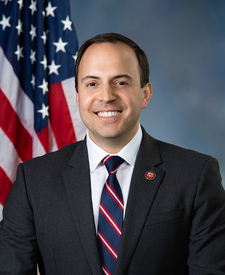
Legislative Progress
IntroducedMrs. Kiggans of Virginia (for herself, Mr. Gooden, Mr. Panetta, …
Stakeholder Effects
cui bono?How this legislation distributes effects. Mention counts reflect frequency, not effect magnitude.
Department of Defense, JROTC program, Military recruiters
Department of Defense faces effects in multiple directions
Positive-direction: JROTC program, Military recruiters
Negative-direction: Military service academies
Applicants from non-HERO schools, Graduates of high-enlistment schools, High school students without local JROTC
Positive-direction: Graduates of high-enlistment schools, High school students without local JROTC, High schools with high military enlistment rates
Negative-direction: Applicants from non-HERO schools, Schools hosting JROTC units, Schools receiving federal funds, Secondary schools and administrators, Students and families
Bill Structure & Actor Mappings
Who is "The Secretary" in each section?
- "the_secretary"
- → Secretary of Defense
- "the_department"
- → Department of Defense
We use a combination of our own taxonomy and classification in addition to large language models to assess meaning and potential beneficiaries. High confidence means strong textual evidence. Always verify with the original bill text.
Learn more about our methodology