To direct the Secretary of Health and Human Services to establish an Office of Rural Health, and for other purposes.
Summary
What This Bill Does
This bill creates an Office of Rural Health inside CDC. HHS, acting through the CDC Director, must establish the office and appoint a director. The office becomes CDC's primary point of contact for rural health, assists CDC with research on public health issues affecting rural populations, disseminates research results, works across CDC offices to develop policies and best practices for rural care and services including telehealth, coordinates rural health research and education outreach, disseminates evidence-based interventions on health outcomes, access, and lifestyle challenges, identifies rural disparities in health care and public health intervention availability, awards and administers grants, cooperative agreements, and contracts for technical assistance and related rural health activities, and coordinates with HRSA's Federal Office of Rural Health Policy as needed to avoid duplication.
Who Benefits and How
Rural residents benefit from a CDC office focused on rural public health disparities, interventions, telehealth, and access barriers. Rural health departments benefit from technical assistance, evidence-based interventions, and coordination across CDC offices. Rural health researchers benefit from a central CDC point of contact and support for rural population research. Telehealth programs serving rural communities benefit because rural services including telehealth are named in the office duties. HRSA rural health officials benefit from a coordination partner intended to avoid duplication.
Who Bears the Burden and How
HHS must establish the office and select a director through CDC. CDC must coordinate rural health research, outreach, policy, grants, cooperative agreements, contracts, and technical assistance. CDC offices must work with the new office to refine and promulgate rural health best practices. Federal rural health administrators must coordinate across CDC and HRSA to avoid duplicative initiatives.
Key Provisions
- Creates a CDC Office of Rural Health headed by a director.
- Designates the office as CDC's primary rural health point of contact.
- Requires research, outreach, evidence-based interventions, disparity identification, and rural telehealth policy support.
- Authorizes grants, cooperative agreements, contracts, and technical assistance for rural health activities.
- Requires coordination with HRSA's Federal Office of Rural Health Policy to avoid duplication.
Evidence Chain:
This summary is generated from the full bill text using AI analysis. Expand "Detailed Analysis" below for identified beneficiaries/burden bearers with clause-level evidence links.
At a Glance
What This Bill Does
Requires HHS to establish a CDC Office of Rural Health to coordinate rural public health research, policy, best practices, grants, technical assistance, and collaboration with HRSA's Federal Office of Rural Health Policy.
Key Policy Areas
Rural Health, Public Health, Federal Administration
Primary Purpose
Requires HHS to establish a CDC Office of Rural Health to coordinate rural public health research, policy, best practices, grants, technical assistance, and collaboration with HRSA's Federal Office of Rural Health Policy.
Policy Domains
Resolution provisions
Identified Gains
- Rural residents
- Rural health departments
- Rural health researchers
- Telehealth programs serving rural communities
- HRSA rural health officials
Identified Costs
- HHS
- CDC
- CDC offices
- Federal rural health administrators
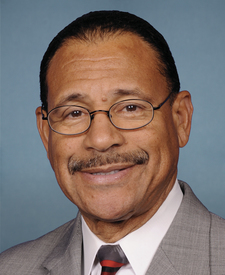
Sponsors



Legislative Progress
In CommitteeMr. Guest (for himself and Ms. Perez) introduced the following …
Referred to the House Committee on Energy and Commerce.
Introduced in House
Stakeholder Effects
cui bono?How this legislation distributes effects. Mention counts reflect frequency, not effect magnitude.
Bill Structure & Actor Mappings
Who is "The Secretary" in each section?
We use a combination of our own taxonomy and classification in addition to large language models to assess meaning and potential beneficiaries. High confidence means strong textual evidence. Always verify with the original bill text.
Learn more about our methodology