SHIELD Act
Summary
What This Bill Does
The SHIELD Act addresses the lack of government-funded counsel for people in deportation proceedings by funding legal services infrastructure rather than creating a direct right to counsel. The findings say most people in removal proceedings are unrepresented, including an estimated 80 percent of detained immigrants in deportation cases initiated over the past 20 years; represented detained immigrants are 3.5 times more likely to receive bond and up to 10.5 times more likely to obtain relief from deportation; and nondetained people with lawyers win 60 percent of cases compared with 17 percent without lawyers. The Attorney General, through the Office of Access to Justice, must award four-year competitive workforce development and capacity-building grants to states, local governments, community organizations, nonprofits, and educational institutions that provide, coordinate, recruit, train, or mentor immigration legal services for individuals facing deportation. Funds may support lawyer, accredited representative, social worker, and community navigator recruitment and training; fellowships and clinics; language training; complex defense support; federal and state court representation; leadership development; local coordination; retention strategies; diversity; services in areas with low legal capacity; and physical, administrative, and technology infrastructure. Grantees may contract or subaward to other organizations, must certify proper uses, report annually within 90 days after each fiscal year, and federal funds must supplement rather than supplant other funds. The Office of Access to Justice may issue rules and must operate independently of immigration enforcement priorities. DOJ Inspector General audits, offshore-account restrictions, compensation disclosures, technical assistance for unresolved audit findings, and public reporting apply. The bill authorizes 100 million dollars for each of fiscal years 2026 and 2027.
Who Benefits and How
Individuals facing deportation benefit from expanded legal services staffing and infrastructure in their service areas. Detained immigrants benefit because representation is linked in the findings to higher bond and relief rates. Immigration legal services nonprofits benefit from four-year grants for recruitment, training, retention, technology, and capacity. State governments funding deportation defense benefit from federal support for programs they already help finance. Community navigators and accredited representatives benefit from training, mentoring, and workforce development funds. Immigrant families benefit if better representation reduces wrongful deportation, family separation, and loss of livelihood.
Who Bears the Burden and How
The Office of Access to Justice must run competitive grants, set rules, target priorities, and administer accountability requirements. Grantees must certify uses, report detailed service and expenditure data, and comply with audit rules. DOJ Inspector General staff must audit grantees for waste, fraud, and abuse. Nonprofit grantees must avoid offshore tax-avoidance accounts and disclose compensation-setting processes when applicable. Federal appropriators face a 100 million dollar annual authorization for fiscal years 2026 and 2027.
Key Provisions
- Defines individuals facing deportation and covered service areas.
- Establishes Office of Access to Justice workforce development and capacity-building grants for immigration legal services.
- Authorizes grant uses for recruitment, training, technical assistance, retention, diversity, legal infrastructure, and technology.
- Requires grantee certifications, annual reports, DOJ Inspector General audits, nonprofit restrictions, and technical assistance.
- Authorizes 100 million dollars for each of fiscal years 2026 and 2027.
Evidence Chain:
This summary is generated from the full bill text using AI analysis. Expand "Detailed Analysis" below for identified beneficiaries/burden bearers with clause-level evidence links.
At a Glance
What This Bill Does
Creates a 100 million dollar per year DOJ Office of Access to Justice grant program for fiscal years 2026 and 2027 to build immigration legal services staffing, training, infrastructure, and accountability for people facing deportation.
Key Policy Areas
Immigration, Legal Services, Grants
Primary Purpose
Creates a 100 million dollar per year DOJ Office of Access to Justice grant program for fiscal years 2026 and 2027 to build immigration legal services staffing, training, infrastructure, and accountability for people facing deportation.
Policy Domains
Resolution provisions
Identified Gains
- Individuals facing deportation
- Detained immigrants
- Immigration legal services nonprofits
- State governments funding deportation defense
- Community navigators
- Accredited representatives
- Immigrant families
Identified Costs
- Office of Access to Justice
- Grantees
- DOJ Inspector General staff
- Nonprofit grantees
- Federal appropriators
Sponsors


Legislative Progress
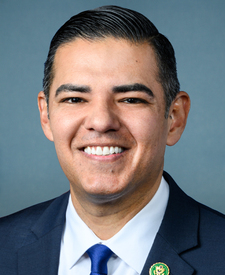
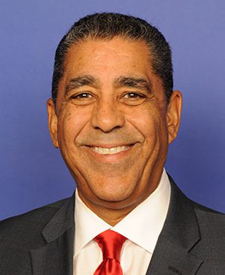
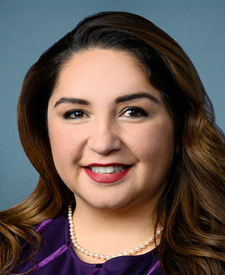
In CommitteeMr. Garcia of California (for himself, Mrs. Torres of California, …
Referred to the House Committee on the Judiciary.
Introduced in House
Stakeholder Effects
cui bono?How this legislation distributes effects. Mention counts reflect frequency, not effect magnitude.
Community navigators, Grantees, Immigration legal services nonprofits
Positive-direction: Community navigators, Immigration legal services nonprofits
Negative-direction: Grantees
DOJ Inspector General staff, Office of Access to Justice, State governments funding deportation defense
Positive-direction: State governments funding deportation defense
Negative-direction: DOJ Inspector General staff, Office of Access to Justice
Detained immigrants, Individuals facing deportation
Bill Structure & Actor Mappings
Who is "The Secretary" in each section?
We use a combination of our own taxonomy and classification in addition to large language models to assess meaning and potential beneficiaries. High confidence means strong textual evidence. Always verify with the original bill text.
Learn more about our methodology