To amend the National Child Protection Act of 1993 to ensure that businesses and organizations that work with vulnerable populations are able to request background checks for their contractors who work with those populations, as well as for individuals that the businesses or organizations license or certify to provide care for those populations.
Summary
What This Bill Does
This bill amends the National Child Protection Act definition of covered individual for background checks. Current law lets qualified entities request checks for certain employees or volunteers who provide care to children, older adults, or people with disabilities. The bill adds people who contract with a qualified entity, people who seek to contract with a qualified entity, people employed by or volunteering with an entity under contract with a qualified entity, people seeking those roles, and people licensed or certified by a qualified entity or seeking licensure or certification. The practical effect is to let organizations that serve vulnerable populations request background checks for contractors and licensed or certified caregivers, not only direct employees or volunteers.
Who Benefits and How
Children served by care organizations benefit if background checks cover more adults who may provide care through contracts or certifications. Older adults receiving care benefit from expanded screening of contractors and licensees who work with vulnerable populations. People with disabilities benefit because qualified entities can check more categories of caregivers before they provide services. Qualified entities serving vulnerable populations benefit from clearer authority to request checks for contractors and licensed or certified caregivers. Care organizations using subcontractors benefit because the bill covers workers employed by entities under contract with qualified entities.
Who Bears the Burden and How
Contractors providing care may need to undergo background checks requested through qualified entities. Individuals seeking licensure or certification by qualified entities may face background-check requirements. State background-check administrators may process more requests under the National Child Protection Act framework. Qualified entity compliance staff must update screening policies for contractors, subcontracted workers, and licensees.
Key Provisions
- Amends the covered individual definition in the National Child Protection Act.
- Adds people who contract with, or seek to contract with, qualified entities.
- Adds workers or volunteers for entities under contract with qualified entities.
- Adds people licensed or certified, or seeking licensure or certification, by qualified entities.
Evidence Chain:
This summary is generated from the full bill text using AI analysis. Expand "Detailed Analysis" below for identified beneficiaries/burden bearers.
At a Glance
What This Bill Does
Expands National Child Protection Act background-check eligibility so qualified entities working with vulnerable populations can check contractors, subcontracted workers, and people they license or certify to provide care.
Key Policy Areas
Child Protection, Background Checks, Public Safety
Primary Purpose
Expands National Child Protection Act background-check eligibility so qualified entities working with vulnerable populations can check contractors, subcontracted workers, and people they license or certify to provide care.
Policy Domains
Resolution provisions
Identified Gains
Contextual inference, no direct clause citation- Children served by care organizations
- Older adults receiving care
- People with disabilities
- Qualified entities serving vulnerable populations
- Care organizations using subcontractors
Contextual inference, no direct clause citation
Identified Costs
Contextual inference, no direct clause citation- Contractors providing care
- Individuals seeking licensure by qualified entities
- State background-check administrators
- Qualified entity compliance staff
Contextual inference, no direct clause citation
Sponsors


Legislative Progress
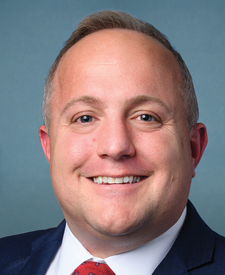
In CommitteeMr. Fry (for himself and Mr. Moskowitz) introduced the following …
Referred to the House Committee on the Judiciary.
Introduced in House
Bill Structure & Actor Mappings
Who is "The Secretary" in each section?
We use a combination of our own taxonomy and classification in addition to large language models to assess meaning and potential beneficiaries. High confidence means strong textual evidence. Always verify with the original bill text.
Learn more about our methodology