FAIR Fleets Act
Summary
What This Bill Does
The FAIR Fleets Act amends title 39 to make fleet distribution and modernization a statutory Postal Service duty. USPS must conduct an ongoing comprehensive assessment of fleet vehicle distribution, implement a strategic plan to increase vehicle availability in underserved areas and all parts of the country, and modernize the fleet with fuel-efficient and environmentally friendly vehicles as soon as practicable. Beginning 180 days after enactment, USPS must report by December 31 each year to Congress and the Comptroller General on fleet distribution by state and postal region, steps taken to improve underserved-area distribution, and recommendations for further improvements. The bill defines rural area by reference to Census urbanized area and urban cluster concepts. It defines underserved area to include rural areas, postal regions where at least 50 percent of fleet vehicles are beyond intended service life, counties with limited postal facilities and mail delays at least 20 percent above the national average, urban neighborhoods with poverty above 20 percent, and Indigenous and Tribal lands.
Who Benefits and How
Rural postal customers benefit from a strategic plan to increase vehicle availability in underserved areas. Postal regions with aging vehicles benefit if fleet distribution prioritizes areas where at least half the vehicles are beyond intended service life. Counties with postal delays benefit from annual reporting and modernization aimed at areas with delays 20 percent above the national average. Urban neighborhoods with poverty above 20 percent benefit from being included in the underserved-area definition. Indigenous communities benefit because Indigenous and Tribal lands are expressly included as underserved areas. USPS vehicle procurement planners benefit from statutory direction to modernize with fuel-efficient and environmentally friendly vehicles.
Who Bears the Burden and How
USPS must conduct ongoing fleet assessments, implement a strategic plan, modernize vehicles, and report annually. Postal fleet managers must collect state and regional distribution data and identify underserved areas. Congress and GAO must receive and review annual fleet distribution reports. Federal taxpayers may bear costs of accelerated fleet modernization and redistribution.
Key Provisions
- Requires USPS to assess fleet vehicle distribution on an ongoing basis.
- Directs a strategic plan to increase vehicle availability in underserved areas and all parts of the country.
- Requires modernization with fuel-efficient and environmentally friendly vehicles as soon as practicable.
- Requires annual reports to Congress and GAO by December 31 on fleet distribution and underserved-area steps.
- Defines underserved areas to include rural areas, aging-fleet regions, delayed counties, high-poverty urban neighborhoods, and Indigenous or Tribal lands.
Evidence Chain:
This summary is generated from the full bill text using AI analysis. Expand "Detailed Analysis" below for identified beneficiaries/burden bearers with clause-level evidence links.
At a Glance
What This Bill Does
Requires USPS to assess fleet vehicle distribution, increase vehicle availability in underserved areas, modernize with fuel-efficient and environmentally friendly vehicles, and report annually to Congress and GAO.
Key Policy Areas
Postal Service, Transportation, Environmental Policy
Primary Purpose
Requires USPS to assess fleet vehicle distribution, increase vehicle availability in underserved areas, modernize with fuel-efficient and environmentally friendly vehicles, and report annually to Congress and GAO.
Policy Domains
Resolution provisions
Identified Gains
- Rural postal customers
- Postal regions with aging vehicles
- Counties with postal delays
- Urban neighborhoods with poverty above 20 percent
- Indigenous communities
- USPS vehicle procurement planners
Identified Costs
- USPS
- Postal fleet managers
- Congress
- GAO
- Federal taxpayers
Sponsors
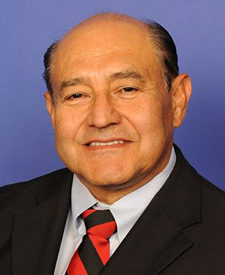
Legislative Progress
In CommitteeMr. Costa (for himself, Mr. Valadao, Ms. Barragán, Ms. DelBene, …
Referred to the House Committee on Oversight and Government Reform.
Introduced in House
Stakeholder Effects
cui bono?How this legislation distributes effects. Mention counts reflect frequency, not effect magnitude.
Counties with postal delays, Postal regions with aging vehicles, Rural postal customers
Indigenous communities, Postal fleet managers, USPS
Positive-direction: Indigenous communities
Negative-direction: Postal fleet managers, USPS
Bill Structure & Actor Mappings
Who is "The Secretary" in each section?
We use a combination of our own taxonomy and classification in addition to large language models to assess meaning and potential beneficiaries. High confidence means strong textual evidence. Always verify with the original bill text.
Learn more about our methodology