PREP Act
Summary
What This Bill Does
The PREP Act shortens and standardizes probationary protections for federal employees. It amends title 5 section 3321 so a competitive-service probationary period may not exceed six months for an initial appointee who immediately previously held an executive-branch civil service position, or 12 months for other initial appointees. It creates new section 3330g with the same six-month and 12-month caps for excepted-service probationary or trial periods unless another statute specifically provides otherwise. It amends Senior Executive Service career appointment rules so the probationary period is six months for a person who immediately previously held an executive-branch civil service position and 12 months in all other cases. It also removes a special Department of Veterans Affairs probationary-period provision by striking section 9510(d) and redesignating the remaining subsection. The effect is to reduce long probationary windows and give employees earlier access to ordinary civil service protections.
Who Benefits and How
Federal employees entering from prior civil service benefit from a six-month cap before their appointment becomes final. New federal appointees benefit from a 12-month cap on probationary or trial periods unless a specific statute says otherwise. Excepted-service employees benefit because the bill creates a general statutory probationary-period cap for their appointments. Senior Executive Service career appointees benefit from shortened probationary periods tied to prior civil service status. Federal employee unions benefit from earlier procedural protections for covered employees.
Who Bears the Burden and How
Federal agencies must update onboarding, probation tracking, and removal procedures for covered appointments. OPM policy staff must update regulations and guidance for competitive and excepted service probationary periods. Agency human resources offices lose flexibility to use longer probationary periods absent a specific statutory exception. VA workforce administrators must adjust to the repeal of the special section 9510(d) probationary rule.
Key Provisions
- Limits competitive-service probationary periods to six months for prior civil service appointees and 12 months for others.
- Creates section 3330g with matching caps for excepted-service probationary or trial periods.
- Applies the six-month and 12-month structure to Senior Executive Service career appointments.
- Repeals a special VA probationary-period provision and redesignates the remaining subsection.
Evidence Chain:
This summary is generated from the full bill text using AI analysis. Expand "Detailed Analysis" below for identified beneficiaries/burden bearers.
At a Glance
What This Bill Does
Caps federal probationary or trial periods at six months for appointees coming directly from executive-branch civil service and 12 months for other initial appointees, including competitive service, excepted service, and Senior Executive Service career appointments.
Key Policy Areas
Federal Workforce, Civil Service, Hiring
Primary Purpose
Caps federal probationary or trial periods at six months for appointees coming directly from executive-branch civil service and 12 months for other initial appointees, including competitive service, excepted service, and Senior Executive Service career appointments.
Policy Domains
Resolution provisions
Identified Gains
Contextual inference, no direct clause citation- Federal employees entering from prior civil service
- New federal appointees
- Excepted-service employees
- Senior Executive Service career appointees
- Federal employee unions
Contextual inference, no direct clause citation
Identified Costs
Contextual inference, no direct clause citation- Federal agencies
- OPM policy staff
- Agency human resources offices
- VA workforce administrators
Contextual inference, no direct clause citation
Sponsors




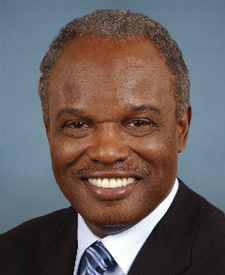
Legislative Progress
In CommitteeMr. Beyer (for himself, Ms. Moore of Wisconsin, Ms. Tlaib, …
Referred to the House Committee on Oversight and Government Reform.
Introduced in House
Bill Structure & Actor Mappings
Who is "The Secretary" in each section?
We use a combination of our own taxonomy and classification in addition to large language models to assess meaning and potential beneficiaries. High confidence means strong textual evidence. Always verify with the original bill text.
Learn more about our methodology