National Law Enforcement Officers Remembrance, Support, and Community Outreach Act
Summary
What This Bill Does
The bill directs the Interior Secretary to award the National Law Enforcement Officers Memorial Fund a $6 million grant in each of seven fiscal years beginning after enactment, but only when advance appropriations are available and the Fund satisfies application requirements. The money is restricted to the National Law Enforcement Museum's community outreach, public education, and officer safety and wellness activities. Eligible uses include historical research, exhibitions, digital materials, collection conservation, school partnerships and professional development.
Who Benefits and How
The Memorial Fund and museum staff gain a potential recurring source of support for those programs. Active and retired law enforcement officers and family members of fallen officers receive free admission as a condition of the grants. General public museum users must receive dedicated free hours at least weekly. Teachers and educational agencies may benefit from curriculum resources and training, while officer safety programs may improve access to information; the bill does not guarantee a reduction in injuries.
Who Bears the Burden and How
The Fund must apply, meet the Secretary's requirements and allow annual federal audits of its financial statements, including ticket revenue, donations, salaries and operating expenditure. Those statements are subject to Interior review and public availability. The Fund must report to the specified congressional committees within 90 days after each fiscal year in which grant funds are used. Interior administrators must evaluate complete applications and award qualifying grants within 90 days. The reported text adds these conditions and removes the earlier authority to transfer National Park Service funds to cover a shortfall. It states that no additional funds are authorized, so the seven grants are not an automatic $42 million appropriation.
Key Provisions
- Provides for $6 million annual grants over seven fiscal years, conditional on advance appropriations and a qualifying application.
- Limits grant uses to museum education, community outreach and officer safety and wellness programming.
- Requires free admission for the specified officer and family groups and weekly free public hours.
- Requires annual federal financial audits and congressional reports within 90 days after the relevant fiscal year.
- Removes the proposed National Park Service funding-transfer fallback.
Evidence Chain:
This summary is generated from the full bill text using AI analysis. Expand "Detailed Analysis" below for identified beneficiaries/burden bearers with clause-level evidence links.
At a Glance
What This Bill Does
Provide conditional $6 million annual grants for seven years to the National Law Enforcement Officers Memorial Fund for museum outreach, education and officer wellness.
Key Policy Areas
Public Safety, Education
Primary Purpose
Provide conditional $6 million annual grants for seven years to the National Law Enforcement Officers Memorial Fund for museum outreach, education and officer wellness.
Policy Domains
National Law Enforcement Officers Remembrance, Support, and Community Outreach Act
Identified Gains
- National Law Enforcement Officers Memorial Fund
- National Law Enforcement Museum staff
- Active and retired law enforcement officers
- Family members of fallen officers
- General public museum users
- Teachers using museum resources
Identified Costs
- Department of the Interior
- Memorial Fund grant administrators
Sponsors
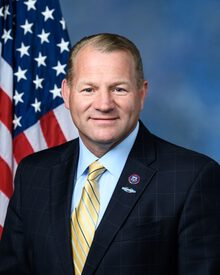


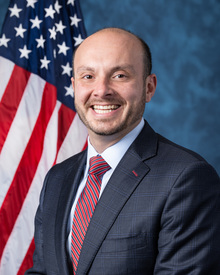
Legislative Progress
ReportedReceived in the Senate.
Motion to reconsider laid on the table Agreed to without …
On motion to suspend the rules and pass the bill, …
Passed/agreed to in House: On motion to suspend the rules …
DEBATE - The House proceeded with forty minutes of debate …
Considered under suspension of the rules. (consideration: CR H5582-5584)
Mr. Westerman moved to suspend the rules and pass the …
Placed on the Union Calendar, Calendar No. 658.
Reported (Amended) by the Committee on Natural Resources. H. Rept. …
Additional sponsors: Mr. Carter of Texas, Mr. Harder of California, …
Stakeholder Effects
cui bono?How this legislation distributes effects. Mention counts reflect frequency, not effect magnitude.
National Law Enforcement Officers Memorial Fund
National Law Enforcement Officers Memorial Fund faces effects in multiple directions
Department of the Interior, National Park Service
National Park Service faces effects in multiple directions
Family members of fallen officers, General public museum users, Law enforcement officers
Bill Structure & Actor Mappings
Who is "The Secretary" in each section?
- "fund"
- → National Law Enforcement Officers Memorial Fund
- "museum"
- → National Law Enforcement Museum
- "secretary"
- → Secretary of the Interior
We use a combination of our own taxonomy and classification in addition to large language models to assess meaning and potential beneficiaries. High confidence means strong textual evidence. Always verify with the original bill text.
Learn more about our methodology