More Paid Leave for More Americans Act
Summary
What This Bill Does
The More Paid Leave for More Americans Act builds a grant-based path for states to create or expand paid family leave. Title I directs the Labor Secretary to award competitive grants to states that have enacted paid family leave laws and participate in the Interstate Paid Leave Action Network. Eligible state programs must provide at least six weeks of paid family leave for birth or placement of a child, set weekly maximum benefits equal to 150 percent of the state average weekly wage, limit leave for a birth or placement to the 12-month period after the event, use a covered partnership with a private entity or self-administering employers, and establish premiums or financing paid by employees, employers, or both. Wage replacement must use a progressive formula tied to average weekly earnings and the poverty line. Priority goes to states using commercial off-the-shelf software, states with lower existing paid-leave access, states with financing that does not rely long-term on federal funds, and programs serving low-income populations. Grants can pay benefits, fund covered partnerships, buy or maintain software, provide technical assistance, conduct outreach, run websites and call centers, support research and evaluations, and reduce employer administrative burden; individual state grants must be between 1.5 million and 7 million dollars. States must report annually and publicly on fund use and benefit uptake, DOL must report annually to Congress, and the DOL Inspector General must audit grantees annually. Title II creates I-PLAN to support interstate agreements that reduce duplication, improve portability, align employer plans, and make paid leave easier across state lines; it funds a national nongovernmental workforce intermediary, state focal participation, conforming state grants, and authorizes up to 8,824,106.36 dollars for intermediary support in each of fiscal years 2026 through 2028, plus state grant authorizations.
Who Benefits and How
Employees welcoming a child benefit from state programs that must provide at least six weeks of paid family leave for birth or placement. Low-income workers benefit because grant priority and benefit formulas are designed to serve low-income populations. States creating paid leave programs benefit from grants of 1.5 million to 7 million dollars for benefits, software, partnerships, outreach, and evaluations. Employers operating across state lines benefit if I-PLAN reduces duplication and makes interstate paid leave rules more consistent. Paid leave insurers and private benefit administrators benefit from covered partnership roles in state programs. State paid leave agencies benefit from national intermediary support, conforming grants, and technical assistance.
Who Bears the Burden and How
The Department of Labor must run competitive grants, annual reports, I-PLAN support, intermediary funding, and state grants. State paid leave agencies must file applications, report publicly each year, track benefit uptake, and participate in I-PLAN. DOL Inspector General staff must audit grantee compliance and waste, fraud, or abuse annually. Employers and payroll providers may need to coordinate with state outreach, premium collection, and interstate paid leave systems. Executive agencies must terminate specified contracts or purchase orders under Procurement Instrument Identifier GS03F047CA and rescind released balances.
Key Provisions
- Creates State Paid Family Leave Public-Private Partnership grants for states with qualifying paid family leave laws.
- Requires at least six weeks of paid leave for birth or placement of a child and a weekly benefit cap of 150 percent of state average weekly wage.
- Prioritizes states with commercial software, lower existing paid-leave access, sustainable financing, and low-income service plans.
- Requires annual state reports, annual DOL reports, and annual DOL Inspector General audits.
- Establishes I-PLAN and a national intermediary to support interstate paid leave coordination.
- Authorizes intermediary and state grant funding for fiscal years 2026 through 2028.
Evidence Chain:
This summary is generated from the full bill text using AI analysis. Expand "Detailed Analysis" below for identified beneficiaries/burden bearers with clause-level evidence links.
At a Glance
What This Bill Does
Creates Labor Department grants for state paid family leave public-private partnerships, establishes an Interstate Paid Leave Action Network, funds a national intermediary, and authorizes state implementation grants through fiscal year 2028.
Key Policy Areas
Labor, Family Leave, Grants
Primary Purpose
Creates Labor Department grants for state paid family leave public-private partnerships, establishes an Interstate Paid Leave Action Network, funds a national intermediary, and authorizes state implementation grants through fiscal year 2028.
Policy Domains
Resolution provisions
Identified Gains
- Employees welcoming a child
- Low-income workers
- States creating paid leave programs
- Employers operating across state lines
- Paid leave insurers
- State paid leave agencies
Identified Costs
- Department of Labor
- State paid leave agencies
- DOL Inspector General staff
- Employers with payroll systems
- Executive agencies holding specified contracts
Sponsors
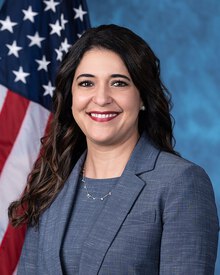
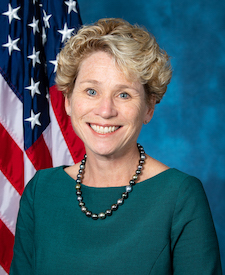

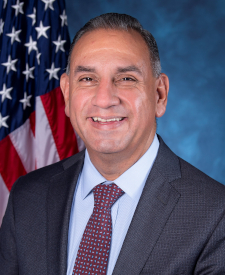

Legislative Progress
In CommitteeMrs. Bice (for herself, Ms. Houlahan, Mrs. Miller-Meeks, Ms. Stevens, …
Referred to the Committee on Education and Workforce, and in …
Introduced in House
Stakeholder Effects
cui bono?How this legislation distributes effects. Mention counts reflect frequency, not effect magnitude.
DOL Inspector General staff, Department of Labor, State paid leave agencies
Positive-direction: States creating paid leave programs
Negative-direction: DOL Inspector General staff, Department of Labor, State paid leave agencies
Bill Structure & Actor Mappings
Who is "The Secretary" in each section?
We use a combination of our own taxonomy and classification in addition to large language models to assess meaning and potential beneficiaries. High confidence means strong textual evidence. Always verify with the original bill text.
Learn more about our methodology