To amend title 18, United States Code, to modify delayed notice requirements, and for other purposes.
Analysis under review: This bill has generated analysis that may be too generic or incomplete. Clause-level evidence remains available below.
Summary
What This Bill Does
This bill, To amend title 18, United States Code, to modify delayed notice requirements, and for other purposes., changes federal law or congressional policy affecting law enforcement, courts, victims, and regulated public-safety actors. The main policy domain is Criminal Justice, Government Operations, Defense.
Who Benefits and How
law enforcement, courts, victims, and regulated public-safety actors may benefit from new authority, funding, eligibility, regulatory clarity, or reduced risk created by the bill.
Who Bears the Burden and How
federal implementing agencies, law enforcement, courts, victims, and regulated public-safety actors may take on implementation duties, reporting obligations, compliance costs, or oversight responsibilities.
Key Provisions
- Section H05A50EEDD88E49DE9B0ABF55E9347ACB: 1. Short title This Act may be cited as the NDO Fairness Act.
- Section HCFD06A350BFF4D1AB0E4F3A6A9A04144: 2. Preclusion of notice Section 2705(b) of title 18, United States Code, is amended to read as follows: (b)Preclusion of Notice (1)Application (A)In generalA...
- Section H567CA793BC3241FCA2406C82862AA6BB: 3. Additional provisions regarding delayed notice Section 2705 of title 18, United States Code, is amended by adding at the end the following: (c)Annual...
Evidence Chain:
This summary is generated from the full bill text using AI analysis. Expand "Detailed Analysis" below for identified beneficiaries/burden bearers with clause-level evidence links.
At a Glance
What This Bill Does
This bill, To amend title 18, United States Code, to modify delayed notice requirements, and for other purposes., changes federal law or congressional policy affecting law enforcement, courts, victims, and regulated public-safety actors.
Key Policy Areas
Criminal Justice, Government Operations, Defense
Primary Purpose
This bill, To amend title 18, United States Code, to modify delayed notice requirements, and for other purposes., changes federal law or congressional policy affecting law enforcement, courts, victims, and regulated public-safety actors.
Policy Domains
Whole bill
Identified Gains
- law enforcement, courts, victims, and regulated public-safety actors
Identified Costs
- federal implementing agencies
- law enforcement, courts, victims, and regulated public-safety actors
Sponsors
Legislative Progress
ReportedReported from the Committee on the Judiciary; committed to the …
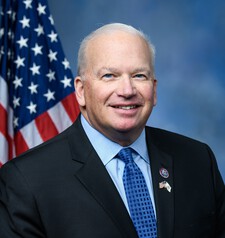
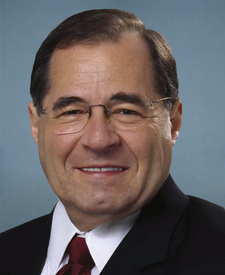
Mr. Fitzgerald (for himself and Mr. Nadler) introduced the following …
Stakeholder Effects
cui bono?How this legislation distributes effects. Mention counts reflect frequency, not effect magnitude.
Administrative Office of United States Courts, Department of Justice and Attorney General, Federal courts handling surveillance warrant requests
General public interested in government surveillance oversight, Individuals subject to government surveillance warrants
Electronic communications service providers (tech companies, ISPs, cloud providers)
Defense attorneys and civil liberties organizations
Civil liberties advocates and watchdog organizations
Bill Structure & Actor Mappings
Who is "The Secretary" in each section?
- "the_commission"
- → The commission identified in the operative section
We use a combination of our own taxonomy and classification in addition to large language models to assess meaning and potential beneficiaries. High confidence means strong textual evidence. Always verify with the original bill text.
Learn more about our methodology