Consent is Key Act
Summary
What This Bill Does
The bill creates attorney General shall increase Sexual Assault Services Program formula grant funding to states that have enacted a civil cause of action for nonconsensual sexual protection barrier removal (stealthing), requires states seeking the grant increase must include information about their nonconsensual barrier removal law in their Sexual Assault Services Program application, and creates grant increase amount capped at 20% of the average of the three most recent award amounts to the state under the Sexual Assault Services Program. It relies on grants, reporting requirements, appropriations, and definition changes. The main policy areas are Social Welfare and Criminal Justice.
Who Benefits and How
States with qualifying laws could gain revenue opportunities, Sexual assault service organizations could gain revenue opportunities, and States that enact stealthing civil liability laws could gain revenue opportunities.
Who Bears the Burden and How
State grant applicants would take on compliance duties and Department of Justice would take on compliance duties.
Key Provisions
- Creates attorney General shall increase Sexual Assault Services Program formula grant funding to states that have enacted a civil cause of action for nonconsensual sexual protection barrier removal (stealthing).
- Requires states seeking the grant increase must include information about their nonconsensual barrier removal law in their Sexual Assault Services Program application.
- Creates grant increase amount capped at 20% of the average of the three most recent award amounts to the state under the Sexual Assault Services Program.
- Creates grant increase provided for a 4-year period and may not be provided more than 4 times to any state.
- Authorizes ,000,000 per year for fiscal years 2026 through 2030 to carry out the grant incentive program.
Evidence Chain:
This summary is generated from the full bill text using AI analysis. Expand "Detailed Analysis" below for identified beneficiaries/burden bearers with clause-level evidence links.
At a Glance
What This Bill Does
The bill creates attorney General shall increase Sexual Assault Services Program formula grant funding to states that have enacted a civil cause of action for nonconsensual sexual protection barrier removal (stealthing), requires states seeking the grant increase must include information about their nonconsensual barrier removal law in their Sexual Assault Services Program application, and creates grant increase amount capped at 20% of the average of the three most recent award amounts to the state under the Sexual Assault Services Program.
Key Policy Areas
Social Welfare, Criminal Justice
Primary Purpose
The bill creates attorney General shall increase Sexual Assault Services Program formula grant funding to states that have enacted a civil cause of action for nonconsensual sexual protection barrier removal (stealthing), requires states seeking the grant increase must include information about their nonconsensual barrier removal law in their Sexual Assault Services Program application, and creates grant increase amount capped at 20% of the average of the three most recent award amounts to the state under the Sexual Assault Services Program.
Policy Domains
Grant Incentive for Stealthing Civil Liability Laws
Identified Gains
- States with qualifying laws
- Sexual assault service organizations
- States that enact stealthing civil liability laws
- Victims of nonconsensual barrier removal
- Sexual assault victims
Identified Costs
- State grant applicants
- Department of Justice
Sponsors
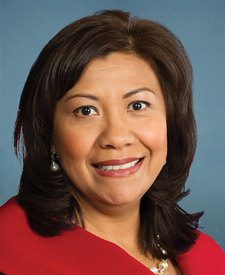
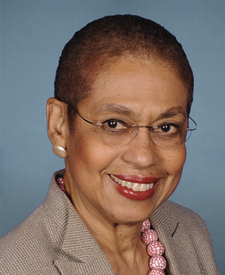
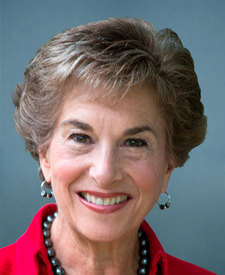
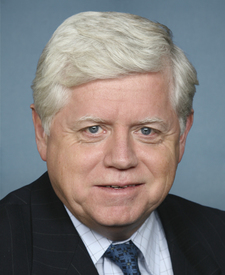
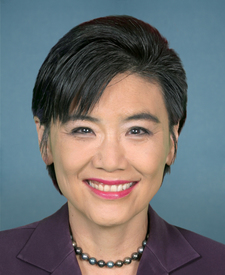
Legislative Progress
In CommitteeMrs. Torres of California (for herself, Ms. Stansbury, Ms. Norton, …
Referred to the House Committee on the Judiciary.
Introduced in House
Stakeholder Effects
cui bono?How this legislation distributes effects. Mention counts reflect frequency, not effect magnitude.
Sexual assault service organizations, Sexual assault victims, Victims of nonconsensual barrier removal
State grant applicants, States that enact stealthing civil liability laws, States with qualifying laws
Positive-direction: States that enact stealthing civil liability laws, States with qualifying laws
Negative-direction: State grant applicants
Bill Structure & Actor Mappings
Who is "The Secretary" in each section?
- "the_attorney_general"
- → Attorney General of the United States
Key Definitions
Terms defined in this bill
A grant under section 41601 of the Violence Against Women Act of 1994 (Sexual Assault Services Program)
Removal of a sexual protection barrier from a body part or object being used for sexual contact without the consent of each person involved
May include a condom (including internal condom), dental dam, or any other barrier against sexual fluids during sexual contact
We use a combination of our own taxonomy and classification in addition to large language models to assess meaning and potential beneficiaries. High confidence means strong textual evidence. Always verify with the original bill text.
Learn more about our methodology