To ensure health care fairness and affordability for all Americans through universal access to equitable health insurance tax credits, reformed health savings accounts, and strengthened consumer protections, and for other purposes.
Analysis under review: This bill has generated analysis that may be too generic or incomplete. Clause-level evidence remains available below.
Summary
What This Bill Does
The Health Care Fairness for All Act overhauls the Affordable Care Act by eliminating the individual and employer health insurance mandates while retaining popular consumer protections like coverage for pre-existing conditions. It creates a new universal tax credit of $4,000 per adult and $2,000 per child to help Americans purchase health insurance, and introduces Roth-style Health Savings Accounts with tax-free withdrawals for medical expenses.
Who Benefits and How
Health insurance companies benefit from reduced regulatory requirements and the ability to offer more flexible products including short-term and limited benefit plans. Large employers (50+ employees) are freed from the mandate to provide coverage and the associated reporting requirements. Individuals purchasing their own insurance receive substantial tax credits, and the bill opens new opportunities for HSA administrators and financial services firms. Hospitals with home care programs and telehealth providers gain from permanent flexibilities for hospital-at-home services.
Who Bears the Burden and How
Older adults in the individual market may face higher premiums under new 5:1 age rating ratios (compared to current 3:1 limits). Individuals with gaps in coverage face a 20% annual premium penalty when they later enroll. People with high out-of-pocket medical expenses lose the medical expense deduction starting in 2026. State Medicaid programs may face funding constraints under the new beneficiary-based payment formula. Taxpayers fund the new tax credits, estimated to cost billions annually. Healthcare providers may see lower reimbursement from site-neutral Medicare payment policies.
Key Provisions
- Repeals both the individual and employer health insurance mandates from the ACA
- Creates a new $4,000/adult, $2,000/child refundable health insurance tax credit (Section 36C)
- Introduces Roth Health Savings Accounts with $5,000 annual contribution limits and tax-free medical expense withdrawals
- Retains pre-existing condition protections, coverage for dependents to age 26, and guaranteed issue requirements
- Allows states to permit limited benefit insurance with annual caps and short-term plans up to 12 months
- Implements site-neutral Medicare payments for off-campus hospital outpatient departments starting 2026
- Makes permanent hospital-at-home and telehealth flexibilities
- Reforms Medicaid into a beneficiary-based payment system with quality bonuses
- Codifies hospital price transparency requirements
Evidence Chain:
This summary is generated from the full bill text using AI analysis. Expand "Detailed Analysis" below for identified beneficiaries/burden bearers.
At a Glance
What This Bill Does
Repeals major Affordable Care Act mandates (individual and employer mandates) while retaining key consumer protections, establishes a new universal health insurance tax credit (Section 36C), creates Roth Health Savings Accounts (Roth HSAs), and gives states greater flexibility in regulating health insurance markets.
Who Benefits
- Health insurance companies (reduced regulatory requirements, flexible product offerings including limited benefit plans and short-term policies)
- Employers (no longer required to provide coverage, can reimburse employees for individual coverage)
- Higher-income individuals (tax credits benefit those who purchase coverage, HSA contributions benefit those with savings capacity)
Who Bears Costs
- Individuals without employer coverage who don't purchase insurance (no mandate but also lose some protections)
- Individuals with pre-existing conditions seeking late enrollment (20% premium penalty per year without coverage)
- Lower-income individuals (may lose ACA subsidies if they switch to new credit system)
Key Policy Areas
Healthcare, Taxation, Insurance Regulation, Medicare, Medicaid
Primary Purpose
Repeals major Affordable Care Act mandates (individual and employer mandates) while retaining key consumer protections, establishes a new universal health insurance tax credit (Section 36C), creates Roth Health Savings Accounts (Roth HSAs), and gives states greater flexibility in regulating health insurance markets.
Policy Domains
Legislative Strategy
"Replace ACA individual/employer mandates with tax incentives (refundable tax credits and HSAs) and give states flexibility to regulate their own insurance markets while preserving popular consumer protections"
Identified Gains
- Health insurance companies (reduced regulatory requirements, flexible product offerings including limited benefit plans and short-term policies)
- Employers (no longer required to provide coverage, can reimburse employees for individual coverage)
- Higher-income individuals (tax credits benefit those who purchase coverage, HSA contributions benefit those with savings capacity)
- Physician-owned hospitals (repeal of ACA restrictions)
- Hospital-at-home programs (permanent flexibilities)
- Off-campus hospital outpatient departments (site-neutral payment transition)
- Individuals and families purchasing individual health insurance (tax credits up to $4,000/adult, $2,000/child)
Identified Costs
- Individuals without employer coverage who don't purchase insurance (no mandate but also lose some protections)
- Individuals with pre-existing conditions seeking late enrollment (20% premium penalty per year without coverage)
- Lower-income individuals (may lose ACA subsidies if they switch to new credit system)
- Patients needing comprehensive care (limited benefit insurance may not cover all needs)
- Taxpayers (funding for tax credits and state grants for indigent care)
- Hospitals receiving disproportionate share payments (potential funding shifts)
Sponsors
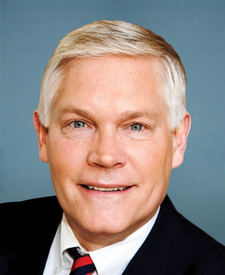
Legislative Progress
IntroducedMr. Sessions introduced the following bill; which was referred to …
Stakeholder Effects
cui bono?How this legislation distributes effects. Mention counts reflect frequency, not effect magnitude.
Consumers seeking temporary coverage options, Eligible individuals with creditable health coverage, Healthcare consumers seeking price information
Positive-direction: Consumers seeking temporary coverage options, Eligible individuals with creditable health coverage, Healthcare consumers seeking price information, Individuals purchasing health insurance, Individuals purchasing health insurance without employer coverage, Individuals with health savings accounts, Medicaid beneficiaries opting for private coverage, Medicare beneficiaries preferring home care, Uninsured individuals who previously faced tax penalties
Negative-direction: Individuals with gaps in health coverage, Individuals with high out-of-pocket medical expenses, Medicaid beneficiaries in states with reduced funding, Older adults in individual market
Banks and financial institutions serving as HSA trustees, HSA custodians and administrators, Health insurance companies
Health insurance companies in individual market faces effects in multiple directions
Positive-direction: Banks and financial institutions serving as HSA trustees, HSA custodians and administrators, Health insurance companies, Individual health insurance market insurers, Private health insurers, Short-term health insurance issuers
Negative-direction: Health insurance exchanges, Health plans covering elective abortion
Department of Health and Human Services, Federal Treasury, Federal government Medicaid spending
Federal Treasury faces effects in multiple directions
Positive-direction: Federal government Medicaid spending, Medicare program
Negative-direction: Department of Health and Human Services
Hospital systems with off-campus outpatient departments, Hospitals operating Hospital-at-Home programs, Hospitals serving disproportionate share of uninsured
Positive-direction: Hospitals operating Hospital-at-Home programs, Hospitals serving disproportionate share of uninsured
Negative-direction: Hospital systems with off-campus outpatient departments, Hospitals subject to price transparency requirements
State Medicaid agencies, State Medicaid programs, State health departments providing indigent care
Positive-direction: State health departments providing indigent care, State insurance regulators
Negative-direction: State Medicaid agencies, State Medicaid programs
Employers offering Health Reimbursement Arrangements, Employers providing health insurance, Large employers with 50+ full-time employees
Independent physician practices and ambulatory surgery centers
Bill Structure & Actor Mappings
Who is "The Secretary" in each section?
- "the_secretary"
- → Secretary of Health and Human Services
- "the_secretary"
- → Secretary of the Treasury
Note: 'The Secretary' generally refers to Secretary of HHS throughout Title I, but in sections related to tax credits (131) and HSAs (201), it refers to Secretary of the Treasury or requires consultation between both
Key Definitions
Terms defined in this bill
Health insurance coverage as specified by the State, including limited benefit insurance (defined in section 122(b))
Includes DC, Puerto Rico, US Virgin Islands, American Samoa, Guam, and the Northern Mariana Islands
A high deductible health plan with prescription drug coverage limited to generic drugs for chronic conditions, meeting HSA requirements, with adequate provider network, covering childhood immunizations without cost sharing
Individual health insurance coverage that imposes an annual limit on amounts payable for items and services in a plan year
An Exchange established under title I of Public Law 111-148 (ACA)
The Secretary of Health and Human Services (unless otherwise specified)
A citizen or national of the United States or individual otherwise lawfully residing in the United States
A trust created in the US exclusively for paying qualified medical expenses of the account beneficiary, with contributions not tax-deductible but distributions tax-free for qualified expenses
Coverage as defined in title XXVII of the Public Health Service Act, excluding plans that cover elective abortions (with exceptions for rape, incest, or life-threatening conditions)
Amounts paid for medical care (as defined in section 213(d)) for the individual, spouse, and dependents, not compensated by insurance
We use a combination of our own taxonomy and classification in addition to large language models to assess meaning and potential beneficiaries. High confidence means strong textual evidence. Always verify with the original bill text.
Learn more about our methodology