Medicaid Empowerment Act of 2025
Summary
What This Bill Does
The Medicaid Empowerment Act of 2025 gives states longer renewal cycles for several Medicaid home- and community-based services authorities. It amends Social Security Act section 1915(c) so extensions of HCBS waivers beginning on or after enactment may run for 10-year periods instead of five-year periods. It also amends section 1915(h) to allow 10-year extension periods for subsection (c) waivers and section 1915(i) to allow 10-year renewal terms for state plan HCBS elections beginning on or after enactment. The bill does not create a new benefit category; it reduces how often states must return to CMS for renewal of existing HCBS waiver or state plan authorities.
Who Benefits and How
Medicaid beneficiaries receiving HCBS benefit from greater continuity if states face fewer renewal disruptions for waiver services. People with disabilities benefit because 1915(c) and 1915(i) programs often fund community-based supports instead of institutional care. Older adults receiving home care benefit if states can maintain waiver services for longer periods without repeated federal renewal cycles. State Medicaid agencies benefit from a longer 10-year renewal window and reduced administrative churn.
Who Bears the Burden and How
CMS waiver reviewers would have fewer scheduled renewal checkpoints for affected HCBS waiver and state plan authorities. State Medicaid program managers must still administer waiver and state plan requirements during longer approval periods. Medicaid oversight advocates may have fewer routine opportunities to revisit program terms if renewal cycles double. Federal Medicaid administrators must update renewal guidance and tracking systems for 10-year periods.
Key Provisions
- Amends section 1915(c) to allow 10-year HCBS waiver extensions after enactment.
- Amends section 1915(h) to allow 10-year extension periods for subsection (c) waivers.
- Amends section 1915(i) to allow 10-year renewal terms for state plan HCBS elections.
- Reduces renewal frequency without creating a new Medicaid service category.
Evidence Chain:
This summary is generated from the full bill text using AI analysis. Expand "Detailed Analysis" below for identified beneficiaries/burden bearers.
At a Glance
What This Bill Does
Extends Medicaid home- and community-based services waiver and State plan renewal periods from five years to ten years for renewals beginning after enactment.
Key Policy Areas
Medicaid, Disability, Long-Term Care
Primary Purpose
Extends Medicaid home- and community-based services waiver and State plan renewal periods from five years to ten years for renewals beginning after enactment.
Policy Domains
Resolution provisions
Identified Gains
Contextual inference, no direct clause citation- Medicaid beneficiaries receiving HCBS
- People with disabilities
- Older adults receiving home care
- State Medicaid agencies
Contextual inference, no direct clause citation
Identified Costs
Contextual inference, no direct clause citation- CMS waiver reviewers
- State Medicaid program managers
- Medicaid oversight advocates
- Federal Medicaid administrators
Contextual inference, no direct clause citation
Sponsors

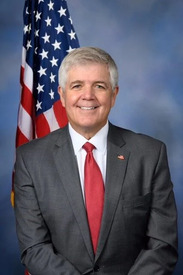

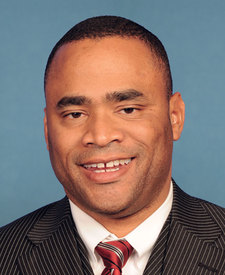

Legislative Progress
In CommitteeMr. Rulli (for himself, Mr. Veasey, and Mr. Carey) introduced …
Referred to the House Committee on Energy and Commerce.
Introduced in House
Bill Structure & Actor Mappings
Who is "The Secretary" in each section?
We use a combination of our own taxonomy and classification in addition to large language models to assess meaning and potential beneficiaries. High confidence means strong textual evidence. Always verify with the original bill text.
Learn more about our methodology