Agriculture Resilience Act of 2025
Summary
What This Bill Does
The Agriculture Resilience Act of 2025 is a broad USDA climate and food-system package. It sets national agricultural goals to cut net greenhouse gas emissions at least 50 percent below 2010 levels by 2030 and reach net zero by 2040; triple public food and agriculture research investment by 2030 and quadruple it by 2040; expand soil carbon, cover crops, perennial systems, agroforestry, advanced grazing, nutrient management, crop-livestock integration, renewable energy, farmland protection, and food-waste reduction; reduce nitrous oxide, methane, development conversion, grassland conversion, and manure emissions; and reduce food loss and waste by 50 percent by 2030 and 75 percent by 2040. USDA must publish a public-comment action plan within 18 months, implement it, revise it at least biennially, and report annually. The bill expands research, extension, and education purposes to make agriculture and food systems net-zero and then carbon-negative, creates regional climate risk mitigation and adaptation hubs through ARS and Forest Service offices with NRCS, FSA, RMA, APHIS, NIFA, Interior, DOE, EPA, USGS, NOAA, NASA, universities, extension, experiment stations, Tribes, agriculture organizations, and community organizations. It establishes sustainable agriculture research and education resilience initiatives, the Long-Term Agroecosystem Research Network, public breed and cultivar development, an ARS climate scientist career program, climate adaptation and mitigation within AFRI, specialty crop research, integrated pest management, and the Appropriate Technology Transfer for Rural Areas program. It updates EQIP, CSP, soil-health assistance to states and Tribal governments for fiscal years 2026 through 2030, conservation compliance, national and regional agroforestry centers, local agriculture markets, farmland protection, conservation easements, animal-raising claim verification, processing resilience grants, private grazing land conservation, CRP, alternative manure management, REAP, agrivoltaic systems, AgSTAR, uniform quality and discard date phrases on food packages, composting as a conservation practice, Federal Food Donation Act amendments, composting and anaerobic digestion food-waste-to-energy grants, school food waste grants, national media campaigns, and a food waste research program. The bill authorizes 10 million dollars for fiscal year 2026 and each fiscal year thereafter for food donation amendments and authorizes other program funds throughout the package.
Who Benefits and How
Farmers benefit from climate hubs, technical support, conservation program updates, soil-health grants, agroforestry centers, grazing assistance, REAP, agrivoltaics, and local market programs. Ranchers benefit from advanced grazing management, manure management alternatives, private grazing land conservation, and crop-livestock integration support. Forest landowners benefit from regional climate hubs and agroforestry assistance designed for risk mitigation and adaptation. Agricultural researchers benefit from expanded public research investment goals, SARE resilience work, LTAR network support, public breed and cultivar development, ARS climate scientist career development, AFRI climate priorities, and food waste research. State agriculture departments and Tribal governments benefit from soil-health assistance grants for fiscal years 2026 through 2030. Small meat processors benefit from processing resilience grants and local food system support. Consumers benefit from uniform food date labeling and reduced food waste programs that can clarify quality dates and discard dates. Rural communities benefit from investments that prioritize jobs, farm viability, resilience, and reduced pollution exposure.
Who Bears the Burden and How
USDA must develop, publish, implement, revise, and report on a national agricultural climate action plan. USDA agencies including ARS, Forest Service, NRCS, FSA, RMA, APHIS, and NIFA must operate hubs, research, conservation, labeling, grant, and energy programs. Confined animal feeding operations face policy pressure to stop new or expanded waste lagoons and convert wet manure handling to nondigester methane management. Meat companies and poultry companies using animal-raising claims must comply with a required verification process. Food manufacturers using date labels must use uniform quality date and discard date phrases. Federal appropriators face expanded authorizations and program funding across research, conservation, resilience, energy, and food-waste programs. EPA, DOE, NOAA, NASA, Interior, USGS, and other federal partners must coordinate with USDA climate hubs and related programs.
Key Provisions
- Establishes agriculture climate goals for 2030 and 2040, including 50 percent net emissions reduction, net zero emissions, soil carbon, cover crop, grazing, manure, renewable energy, and food waste targets.
- Requires a USDA action plan with public comment, implementation within 18 months, biennial review, and annual reporting.
- Creates regional climate risk mitigation and adaptation hubs serving farmers, ranchers, forest landowners, and agricultural resource managers.
- Expands research, extension, SARE, LTAR, public cultivar development, ARS climate careers, AFRI, specialty crop, pest management, and rural technology programs.
- Updates EQIP, CSP, soil-health grants, conservation compliance, agroforestry centers, local markets, farmland protection, easements, grazing land, CRP, alternative manure management, REAP, agrivoltaics, and AgSTAR.
- Requires verification for animal-raising claims on meat and poultry products.
- Creates food date-label phrases, composting conservation practice treatment, food donation amendments, composting and anaerobic-digestion grants, school food waste grants, media campaigns, and food waste research.
Evidence Chain:
This summary is generated from the full bill text using AI analysis. Expand "Detailed Analysis" below for identified beneficiaries/burden bearers with clause-level evidence links.
At a Glance
What This Bill Does
Sets agriculture-sector climate goals, directs a USDA action plan, expands research and climate hubs, funds conservation and soil-health programs, strengthens agroforestry and local markets, regulates animal-raising claims, supports processing resilience, rural energy, agrivoltaics, food-date labeling, composting, donation, and food-waste programs.
Key Policy Areas
Agriculture, Climate, Conservation, Food Waste
Primary Purpose
Sets agriculture-sector climate goals, directs a USDA action plan, expands research and climate hubs, funds conservation and soil-health programs, strengthens agroforestry and local markets, regulates animal-raising claims, supports processing resilience, rural energy, agrivoltaics, food-date labeling, composting, donation, and food-waste programs.
Policy Domains
Resolution provisions
Identified Gains
- Farmers
- Ranchers
- Forest landowners
- Agricultural researchers
- State agriculture departments
- Tribal governments
- Small meat processors
- Consumers
- Rural communities
Identified Costs
- USDA
- ARS
- Forest Service
- NRCS
- FSA
- APHIS
- NIFA
- Confined animal feeding operations
- Meat companies using animal-raising claims
- Poultry companies using animal-raising claims
- Food manufacturers using date labels
- Federal appropriators
- EPA
- DOE
- NOAA
- NASA
Sponsors


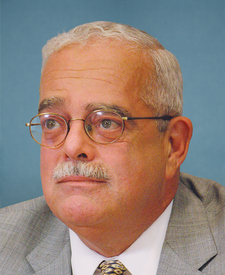


Legislative Progress
In CommitteeMs. Pingree (for herself, Ms. Jayapal, Ms. Brownley, Ms. Tlaib, …
Referred to the Committee on Agriculture, and in addition to …
Introduced in House
Stakeholder Effects
cui bono?How this legislation distributes effects. Mention counts reflect frequency, not effect magnitude.
Food manufacturers using date labels, Meat companies using animal-raising claims, Poultry companies using animal-raising claims
Positive-direction: Small meat processors
Negative-direction: Food manufacturers using date labels, Meat companies using animal-raising claims, Poultry companies using animal-raising claims
Confined animal feeding operations, Farmers, Ranchers
Positive-direction: Farmers, Ranchers
Negative-direction: Confined animal feeding operations
State agriculture departments, Tribal governments, USDA
Positive-direction: State agriculture departments, Tribal governments
Negative-direction: USDA
Bill Structure & Actor Mappings
Who is "The Secretary" in each section?
We use a combination of our own taxonomy and classification in addition to large language models to assess meaning and potential beneficiaries. High confidence means strong textual evidence. Always verify with the original bill text.
Learn more about our methodology