Medicare for All Act
Summary
What This Bill Does
The Medicare for All Act creates a national health insurance program administered by HHS to provide comprehensive protection against health care costs. Every U.S. resident is entitled to benefits, with rules for residency, automatic enrollment at birth or upon residency, Universal Medicare cards without Social Security numbers, and possible eligibility for other people to ensure access while preventing travel solely to obtain care. The bill bars discrimination based on race, color, national origin, age, disability, marital status, citizenship status, language, genetics, health condition, religion, or sex, including gender identity, sexual orientation, pregnancy, and termination of pregnancy, and allows administrative complaints and federal lawsuits. Covered benefits include hospital care, ambulatory care, primary and preventive care, chronic disease management, prescription drugs, devices, biologics, contraception, mental health and substance use treatment, lab and diagnostic care, reproductive care including abortion, maternity and newborn care, gender-affirming care, oral, audiology, vision, rehabilitation, emergency transportation, EPSDT, disability and low-income transportation, long-term services and supports, hospice, therapist services, and telehealth. Benefits have no deductibles, copayments, coinsurance, prior authorization, or step therapy. Providers must qualify, participate under standards, and follow whistleblower protections; private contracts by participating providers are restricted. HHS administers the program nationally and through regional offices, creates a beneficiary ombudsman, applies Medicare fraud and abuse sanctions, sets quality standards through CMS, creates Offices of Health Equity and Primary Care, establishes a national health budget, pays institutional providers through global budgets, pays individual providers through fee-for-service or salaries, controls capital expenditures and special projects, and negotiates or sets payment for prescription drugs, devices, and equipment. A Universal Medicare Trust Fund is created in Treasury. Employers and private insurers may not offer duplicative benefits once the program is effective, state exchanges and pay-for-performance programs sunset, a two-year transition and Medicare buy-in are established, and the 24-month Medicare waiting period for people with disabilities is eliminated.
Who Benefits and How
U.S. residents benefit from universal enrollment in a single national program covering medically necessary health care without cost sharing. Patients needing long-term care benefit because long-term services and supports become covered benefits rather than separate means-tested access. People with disabilities benefit from elimination of the 24-month Medicare waiting period and coverage of transportation, rehabilitation, habilitation, and long-term support. Patients needing reproductive care benefit because abortion, contraception, assisted reproductive technology, maternity care, newborn care, and gender-affirming care are named benefits. Low-income individuals benefit from no cost sharing, no prior authorization, no step therapy, and transportation coverage where needed. Health care providers participating in the program benefit from universal patient coverage and standardized national payment systems. Health equity offices benefit from statutory authority to address disparities and primary-care access across the program.
Who Bears the Burden and How
Private health insurers lose the ability to sell coverage duplicating Medicare for All benefits after the effective date. Employers offering duplicative health benefits must stop providing benefits that duplicate the national program. HHS and CMS must administer enrollment, benefits, provider participation, fraud rules, quality standards, regional offices, ombudsman functions, budgets, and payments. Institutional providers must operate under global budgets and capital-expenditure controls rather than ordinary private insurance billing. Drug manufacturers and device manufacturers face federal payment rules for prescription drugs, approved devices, and equipment. State exchange administrators and value-based purchasing programs face sunset provisions as the national program replaces their role. Federal taxpayers and Treasury must finance and manage the Universal Medicare Trust Fund.
Key Provisions
- Creates a national Medicare for All Program with universal resident eligibility and automatic enrollment.
- Provides comprehensive benefits including hospital, primary, prescription, mental health, reproductive, dental, vision, long-term care, hospice, transportation, and telehealth services.
- Bars deductibles, copayments, coinsurance, prior authorization, step therapy, and provider charges for covered services.
- Establishes provider participation standards, whistleblower protections, national administration, regional offices, and a beneficiary ombudsman.
- Creates a national health budget, institutional global budgets, fee-for-service or salary payment for individual providers, and drug or device payment rules.
- Creates a Universal Medicare Trust Fund and prohibits duplicative private insurance or employer benefits after transition.
- Sunsets state exchanges and pay-for-performance programs, creates transition buy-in rules, and eliminates the 24-month disability Medicare waiting period.
Evidence Chain:
This summary is generated from the full bill text using AI analysis. Expand "Detailed Analysis" below for identified beneficiaries/burden bearers with clause-level evidence links.
At a Glance
What This Bill Does
Establishes a national Medicare for All program with universal resident coverage, comprehensive benefits without cost sharing, long-term care, provider standards, national and regional administration, global budgets, a Universal Medicare Trust Fund, duplicative private-coverage limits, transition rules, and related civil-rights, fraud, equity, and payment reforms.
Key Policy Areas
Healthcare, Medicare, Insurance, Tax
Primary Purpose
Establishes a national Medicare for All program with universal resident coverage, comprehensive benefits without cost sharing, long-term care, provider standards, national and regional administration, global budgets, a Universal Medicare Trust Fund, duplicative private-coverage limits, transition rules, and related civil-rights, fraud, equity, and payment reforms.
Policy Domains
Resolution provisions
Identified Gains
- U.S. residents
- Medicare for All enrollees
- Patients needing long-term care
- People with disabilities
- Patients needing reproductive care
- Low-income individuals
- Health care providers
- Health equity offices
Identified Costs
- Private health insurers
- Employers offering duplicative health benefits
- HHS
- CMS
- Institutional providers
- Drug manufacturers
- Device manufacturers
- State exchange administrators
- Federal taxpayers
- Treasury Department
Sponsors



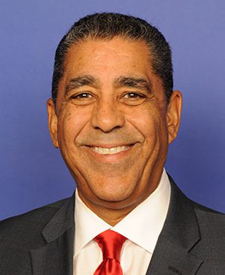

Legislative Progress
In CommitteeMs. Jayapal (for herself, Mrs. Dingell, Ms. Adams, Ms. Ansari, …
Referred to the Committee on Energy and Commerce, and in …
Introduced in House
Stakeholder Effects
cui bono?How this legislation distributes effects. Mention counts reflect frequency, not effect magnitude.
Device manufacturers, Health care providers, Medicare for All enrollees
Positive-direction: Medicare for All enrollees, Patients needing long-term care, Patients needing reproductive care, U.S. residents
Negative-direction: Device manufacturers
Bill Structure & Actor Mappings
Who is "The Secretary" in each section?
We use a combination of our own taxonomy and classification in addition to large language models to assess meaning and potential beneficiaries. High confidence means strong textual evidence. Always verify with the original bill text.
Learn more about our methodology