To establish an improved Medicare-for-All national health insurance program.
Sponsors
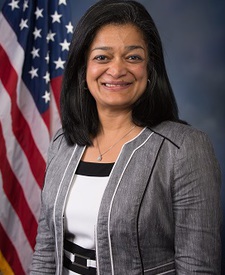
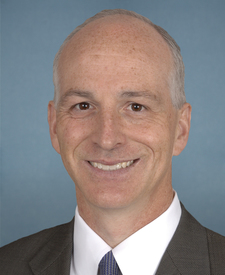
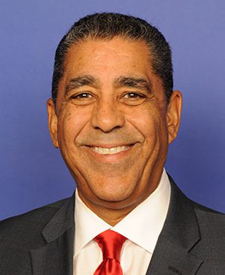
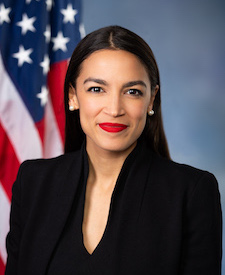
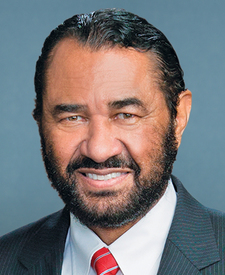
Legislative Progress
IntroducedMs. Jayapal (for herself, Mrs. Dingell, Ms. Adams, Ms. Ansari, …
Summary
What This Bill Does
This bill creates a national single-payer healthcare system called "Medicare for All" that would provide comprehensive health coverage to every U.S. resident. It replaces the current system of private insurance, employer-sponsored plans, and fragmented government programs with one universal government-run insurance program administered by the Department of Health and Human Services.
Who Benefits and How
All U.S. Residents gain guaranteed healthcare coverage with no premiums, deductibles, or copays. Coverage includes hospital care, prescription drugs, mental health, dental, vision, reproductive care, and long-term services and supports.
Uninsured and Underinsured Americans (approximately 27 million uninsured plus tens of millions underinsured) gain access to comprehensive healthcare without financial barriers.
People with Disabilities and the Elderly receive expanded coverage for long-term care services, including home and community-based care, rather than being forced into institutional settings.
Patients gain the freedom to choose any qualified provider without network restrictions, prior authorizations, or surprise medical bills.
Healthcare Workers receive whistleblower protections when reporting violations and benefit from mandated safe nurse-to-patient staffing ratios.
Generic Drug Manufacturers may benefit from competitive licensing provisions that increase market access when brand-name drug prices are deemed excessive.
Who Bears the Burden and How
Private Health Insurance Companies are prohibited from selling coverage that duplicates Medicare for All benefits, effectively eliminating the private health insurance market (approximately a $1 trillion industry).
Employers can no longer offer health benefits that duplicate the program, ending employer-sponsored insurance as a form of compensation.
Pharmaceutical Manufacturers face mandatory price negotiations with the federal government and may have their drug patents subject to competitive licensing if they refuse to negotiate fair prices.
Healthcare Providers must meet new compliance requirements including uniform billing, mandatory reporting, safe staffing ratios, and participation restrictions. Hospitals transition to global budgets rather than fee-for-service payments.
Concierge and Boutique Medical Practices face restrictions on private contracts with patients for covered services.
Taxpayers fund the Universal Medicare Trust Fund through new taxes, though households may pay less overall than current combined spending on premiums, deductibles, and out-of-pocket costs.
Health Insurance Industry Workers (approximately 500,000 jobs) may face displacement, though the bill includes a temporary worker assistance program.
Key Provisions
-
Universal Coverage: All U.S. residents are automatically enrolled and receive a Universal Medicare card, with coverage effective from birth (or upon establishing residency)
-
Comprehensive Benefits: Coverage includes hospital, outpatient, prescription drugs, mental health, dental, vision, hearing, reproductive care, and long-term care with no cost-sharing for patients
-
Elimination of Private Insurance: Private insurers prohibited from selling coverage that duplicates program benefits; employer health benefits for duplicative coverage also prohibited
-
Prescription Drug Reforms: Secretary must negotiate drug prices; competitive licensing authority allows generics when manufacturers refuse to negotiate; reference pricing based on median international prices
-
Provider Payment Reform: Institutional providers (hospitals) receive global budgets; individual practitioners receive negotiated fee schedules; prohibition on corporate practice of medicine profits
-
Two-Year Transition: Program phases in over two years, starting with immediate Medicare buy-in options for people ages 55+ and children, expanding to full implementation
Evidence Chain:
This summary is derived from the structured analysis below. See "Detailed Analysis" for per-title beneficiaries/burden bearers with clause-level evidence links.
Primary Purpose
Establishes a national single-payer health insurance program (Medicare for All) that provides comprehensive health coverage to all U.S. residents, replacing private health insurance and consolidating existing federal health programs.
Policy Domains
Legislative Strategy
"Replace the current multi-payer healthcare system with a single government-run health insurance program over a 2-year transition period, eliminating private health insurance for covered services while negotiating drug prices and establishing global budgets for providers"
Likely Beneficiaries
- Uninsured and underinsured Americans (gain comprehensive coverage)
- Patients (no cost-sharing, no prior authorization, freedom to choose providers)
- People with disabilities and chronic conditions (comprehensive long-term care coverage)
- Low-income individuals (free coverage, transportation assistance)
- Generic drug manufacturers (competitive licensing authority)
- Healthcare workers displaced by system changes (temporary assistance program)
Likely Burden Bearers
- Private health insurance companies (prohibited from selling duplicative coverage)
- Employers offering health benefits (prohibited from offering duplicative benefits)
- Pharmaceutical manufacturers (forced price negotiations, competitive licensing)
- Healthcare providers (transition to global budgets, payment restrictions)
- Taxpayers (funding the Universal Medicare Trust Fund)
- Health insurance industry workers (job displacement)
- For-profit healthcare systems (prohibition on profit from provider payments)
Bill Structure & Actor Mappings
Who is "The Secretary" in each section?
- "the_secretary"
- → Secretary of Health and Human Services
- "the_secretary"
- → Secretary of Health and Human Services
- "the_secretary"
- → Secretary of Health and Human Services
- "the_secretary"
- → Secretary of Health and Human Services
- "the_comptroller_general"
- → Comptroller General of the United States
- "the_center"
- → Center for Clinical Standards and Quality (CMS)
- "the_secretary"
- → Secretary of Health and Human Services
- "the_secretary"
- → Secretary of Health and Human Services
- "regional_director"
- → Regional Directors appointed by the Secretary
- "the_secretary"
- → Secretary of Health and Human Services
- "secretary_of_treasury"
- → Secretary of the Treasury
- "the_secretary"
- → Secretary of Health and Human Services
- "the_administrator"
- → Administrator (CMS Administrator for Medicare Transition buy-in)
- "the_secretary"
- → Secretary of Health and Human Services
Note: 'The Secretary' consistently refers to the Secretary of Health and Human Services throughout all titles
Key Definitions
Terms defined in this bill
The payment negotiated between an institutional provider as described in section 611(b)
Providers of services including hospitals, psychiatric hospitals, rehabilitation hospitals, long-term care hospitals, and independent dialysis facilities
Health care items and services needed or appropriate to prevent, diagnose, or treat an illness, injury, condition, disease, or its symptoms, as determined by the treating physician or health care professional
Secretary of Health and Human Services
Long-term care, treatment, maintenance, or services needed to support activities of daily living and instrumental activities of daily living, including home- and community-based services
Basic personal everyday activities, including eating, toileting, grooming, dressing, bathing, and transferring
Services coverable under subsections (c), (d), (i), and (k) of section 1915 of the Social Security Act
We use a combination of our own taxonomy and classification in addition to large language models to assess meaning and potential beneficiaries. High confidence means strong textual evidence. Always verify with the original bill text.
Learn more about our methodology