National POW/MIA Memorial and Museum Act
Summary
What This Bill Does
The National POW/MIA Memorial and Museum Act gives national status to a specific memorial and museum being built on about 26 acres on POW-MIA Memorial Parkway in Jacksonville, Florida. The findings describe the institution as a civic landmark intended to honor, connect, inspire, and educate the public about about 142,000 members of the Armed Forces captured as prisoners of war since World War II and about 82,000 service members missing in action or unaccounted for since World War II. The bill designates the site as the National POW/MIA Memorial and Museum. Within 90 days after enactment, the museum director must submit a report to Congress with a five-year budget beginning when the museum is expected to open, an organizational structure description, bylaws or rules, and a list of accrediting organizations. The designation can be withdrawn if the museum is not operating satisfactorily five years after enactment or if the report is late.
Who Benefits and How
The POW/MIA Memorial Museum benefits from national designation that can raise visibility, credibility, and visitor interest. Former prisoners of war benefit because the museum is dedicated to publicizing their stories and service history. Families of missing service members benefit from a venue intended to help them tell the stories of people still missing or unaccounted for. Jacksonville visitors and educators benefit from interactive exhibits, educational programs, special events, and the history of Naval Air Station Cecil Field.
Who Bears the Burden and How
The museum director must submit a detailed budget, governance, bylaws, and accreditation report to Congress within 90 days. The museum risks losing the national designation if it is not operational in a satisfactory manner within five years. Congress must review whether the institution meets the reporting and operational conditions tied to the designation. Museum administrators must maintain operations consistent with the national designation and public education mission.
Key Provisions
- Designates the Jacksonville POW/MIA Memorial Museum as the National POW/MIA Memorial and Museum.
- Requires a 90-day report to Congress on budget, organization, bylaws, rules, and accreditation.
- Provides withdrawal of the national designation if the report is late.
- Provides withdrawal if the museum is not operating satisfactorily five years after enactment.
Evidence Chain:
This summary is generated from the full bill text using AI analysis. Expand "Detailed Analysis" below for identified beneficiaries/burden bearers with clause-level evidence links.
At a Glance
What This Bill Does
Designates the Jacksonville, Florida POW/MIA Memorial and Museum as the National POW/MIA Memorial and Museum, conditioned on a 90-day report and satisfactory operation within five years.
Key Policy Areas
Veterans, Museums, Commemoration
Primary Purpose
Designates the Jacksonville, Florida POW/MIA Memorial and Museum as the National POW/MIA Memorial and Museum, conditioned on a 90-day report and satisfactory operation within five years.
Policy Domains
Resolution provisions
Identified Gains
- National POW/MIA Memorial Museum
- Former prisoners of war
- Families of missing service members
- Jacksonville visitors
- Educators
Identified Costs
- Museum director
- Museum administrators
- Congress
Sponsors


Legislative Progress
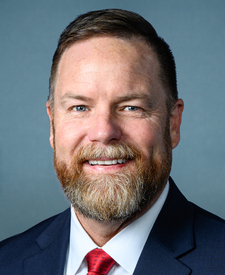
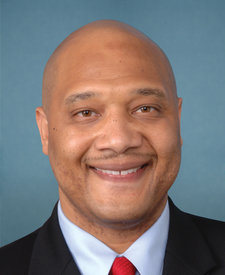
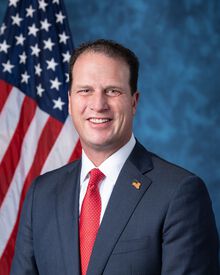
In CommitteeMr. Bean of Florida (for himself, Mr. Webster of Florida, …
Referred to the Committee on Veterans' Affairs, and in addition …
Introduced in House
Stakeholder Effects
cui bono?How this legislation distributes effects. Mention counts reflect frequency, not effect magnitude.
Museum administrators, Museum director, National POW/MIA Memorial Museum
Positive-direction: National POW/MIA Memorial Museum
Negative-direction: Museum administrators, Museum director
Families of missing service members, Former prisoners of war
Bill Structure & Actor Mappings
Who is "The Secretary" in each section?
We use a combination of our own taxonomy and classification in addition to large language models to assess meaning and potential beneficiaries. High confidence means strong textual evidence. Always verify with the original bill text.
Learn more about our methodology